Login / Register


News & Reviews
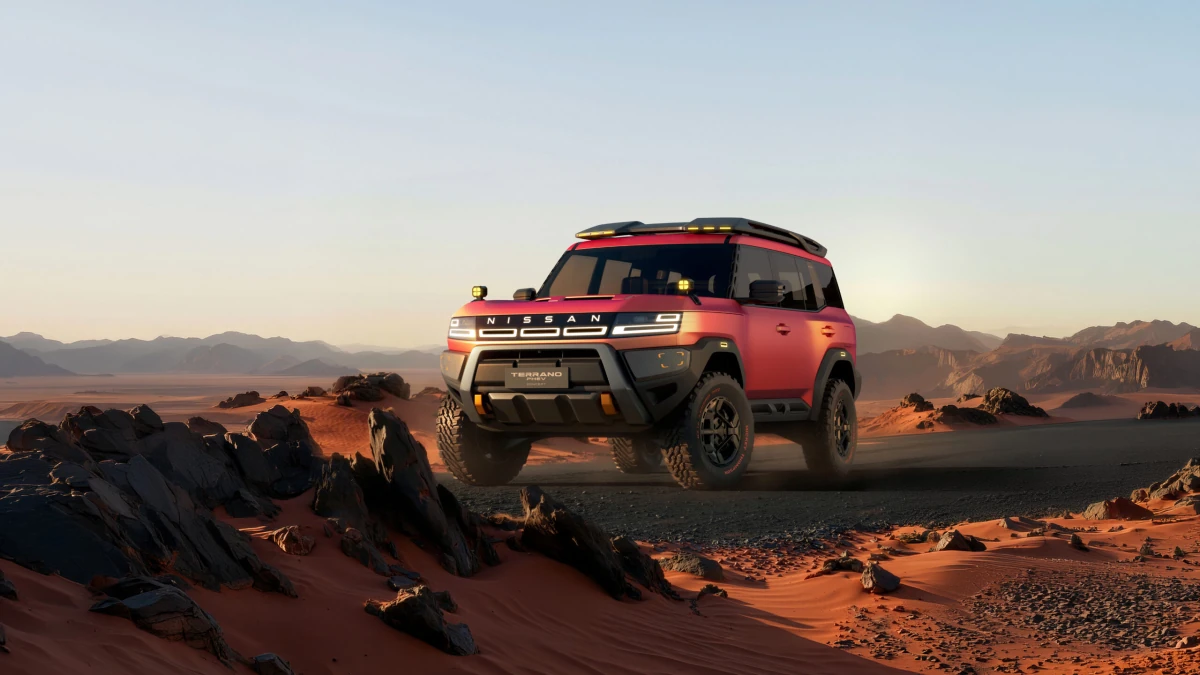
Nissan Terrano Returns as a Rugged Plug-In Hybrid Concept at Auto China 2026
03 May 2026
At Auto China 2026, Nissan Motor Co., Ltd. chose to make a focused statement about its future by reviving one of its familiar nameplates in a completely new form. The Terrano returned not as a traditional combustion SUV, but as the Terrano PHEV Concept—an electrified model that reflects how the brand is reshaping its identity around new-energy vehicles while still leaning on heritage to stay relevant in a highly competitive market.
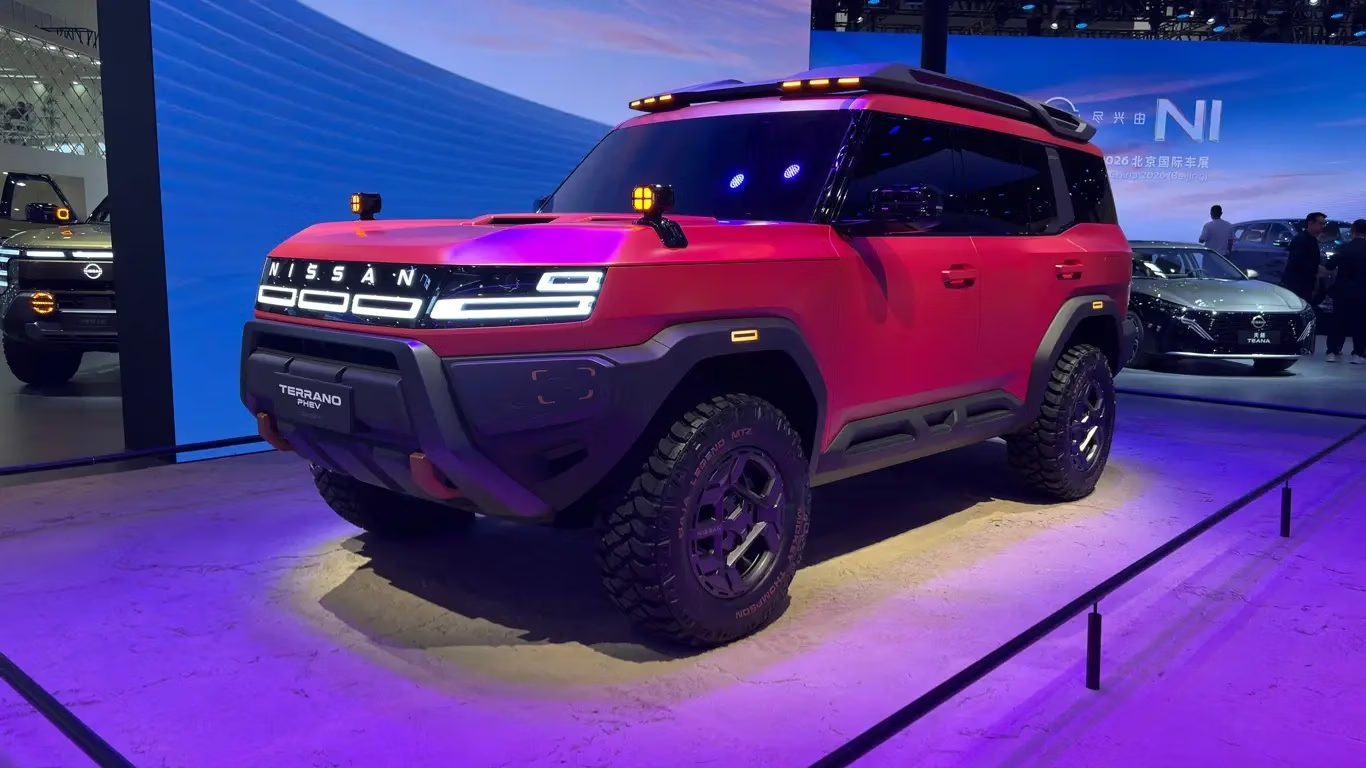
The Nissan Terrano immediately stands apart from more urban-focused crossovers with its upright, boxy proportions and a design that clearly prioritizes presence and durability. Unlike the smoother, more aerodynamic styling seen across many modern SUVs, this concept embraces a tougher visual language, with squared-off edges, a higher ride stance, and details that hint at genuine off-road intent. It feels deliberate—positioning the Terrano as a more adventurous alternative in Nissan’s electrified lineup rather than just another city-oriented hybrid.
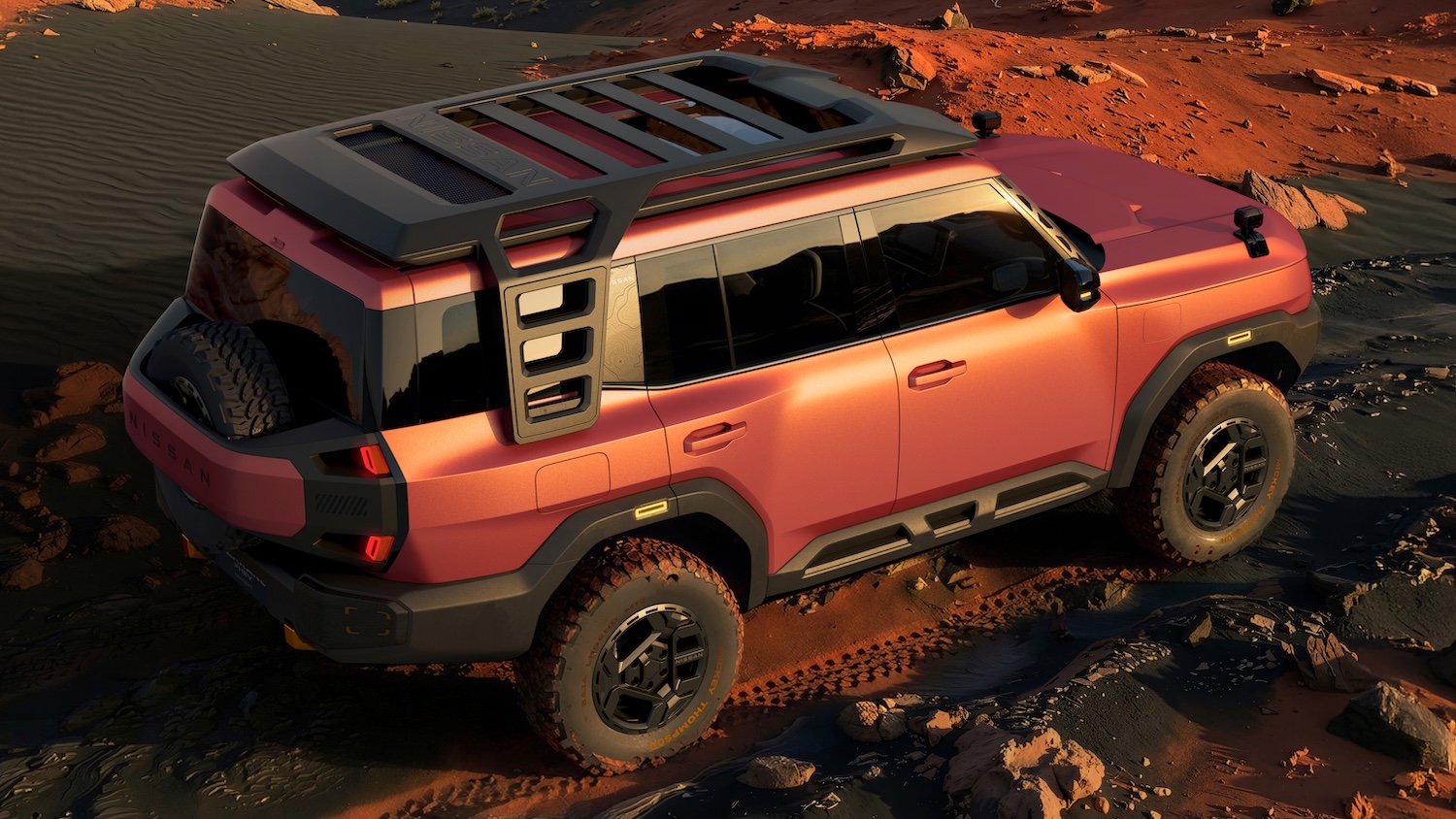
What makes this reveal particularly important is the way Nissan is blending that rugged character with plug-in hybrid technology. Instead of going fully electric, the Terrano PHEV Concept suggests a transitional approach that still caters to markets where charging infrastructure may not be fully developed. This gives the model broader usability, especially in regions where long-distance capability and flexibility remain key factors for SUV buyers. It’s a practical strategy, and one that aligns well with markets beyond China, including parts of the Middle East where demand for durable, multi-purpose vehicles remains strong.
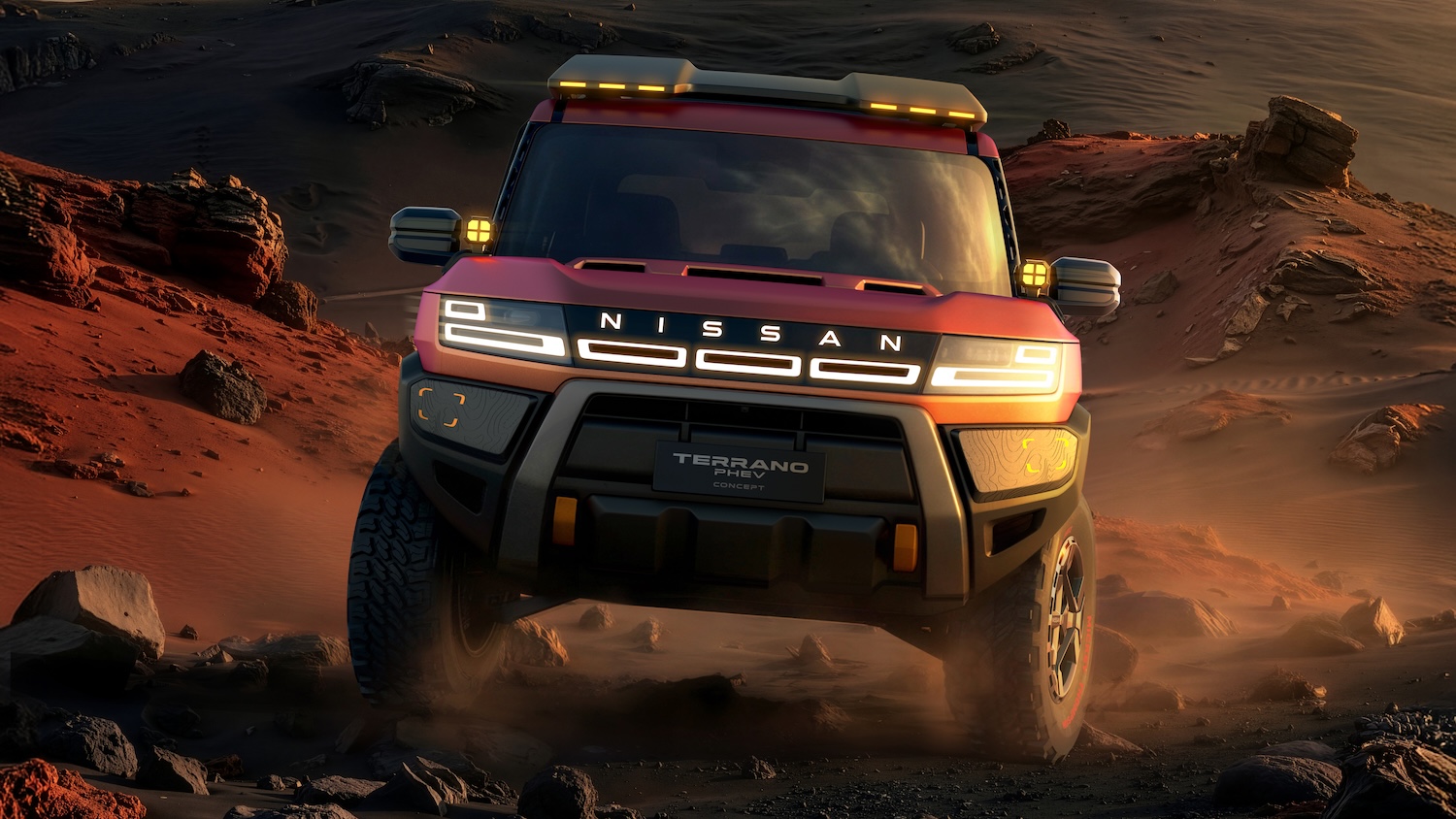
The revival of the Terrano name is also a calculated move. By bringing back a recognizable badge, Nissan taps into existing brand equity while redefining what that name represents. Historically associated with reliability and utility, the Terrano now evolves into something more forward-looking—an electrified SUV that doesn’t abandon its roots but instead modernizes them. This balance between familiarity and innovation is critical, especially as legacy automakers compete with rapidly advancing Chinese brands that are pushing aggressive timelines and bold designs.
Equally significant is the context in which this concept was revealed. Nissan is increasingly treating China not just as a sales market, but as a development hub for future global products. The Terrano PHEV Concept is part of that shift, signaling that vehicles conceived for China today could become global offerings tomorrow. Development cycles are accelerating, and concepts like this are no longer distant design exercises—they are often close previews of production models expected to arrive within a relatively short timeframe.
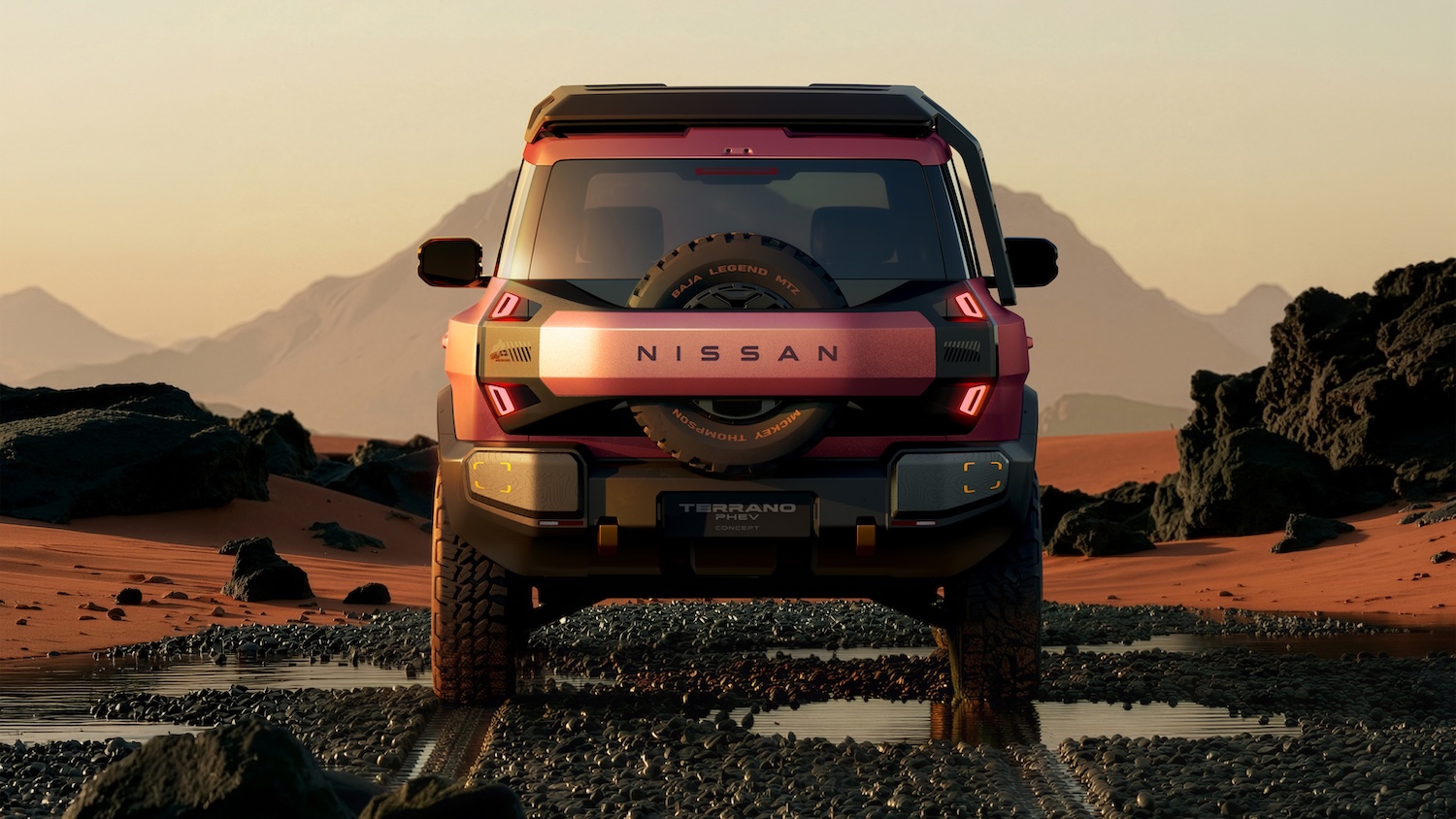
In that sense, the Terrano PHEV Concept is more than just a single reveal; it represents a broader recalibration of Nissan’s strategy. By combining electrification with a rugged SUV identity, and by leveraging a familiar name in a new technological context, the company is attempting to bridge past and future in a way that feels both practical and market-aware. If brought to production with the same intent, the new Terrano could play a key role in Nissan’s next phase—one where electrification isn’t limited to urban mobility, but extends into the more demanding, lifestyle-driven segments that SUVs like the Terrano have traditionally served.
Recent Articles
Most Viewed

Advice


Related Articles
-thumb_webp.webp)