
 Login / Register


News & Reviews
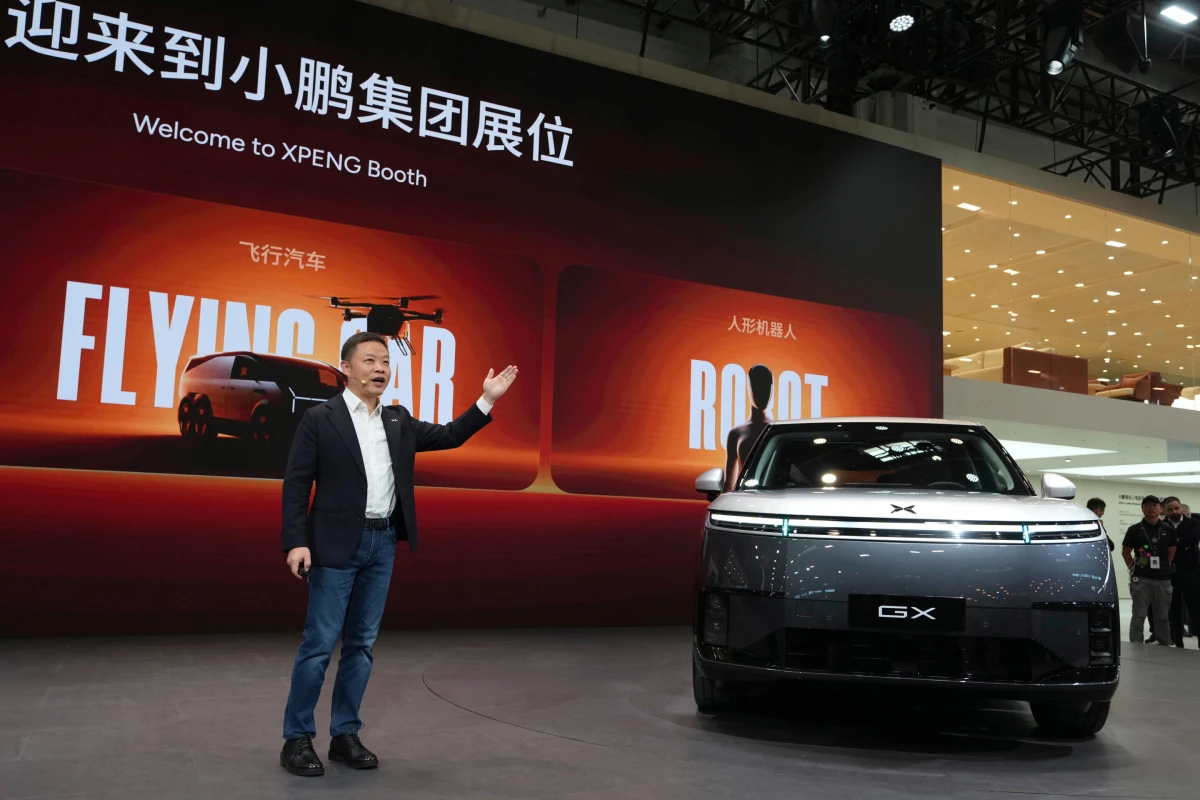
Beijing Auto Show 2026 Sets the Blueprint for the Next Era of Mobility
27 Apr 2026
The 2026 Beijing Auto Show arrives at a moment where the automotive industry is being reshaped far beyond styling updates or powertrain upgrades. The real competition now sits in software ecosystems, autonomous driving capability, and how deeply each brand can integrate mobility into a broader digital environment. This year’s show makes that shift extremely clear, with Chinese manufacturers setting the tone and global brands responding through localized, technology-heavy strategies.
Li Auto L9
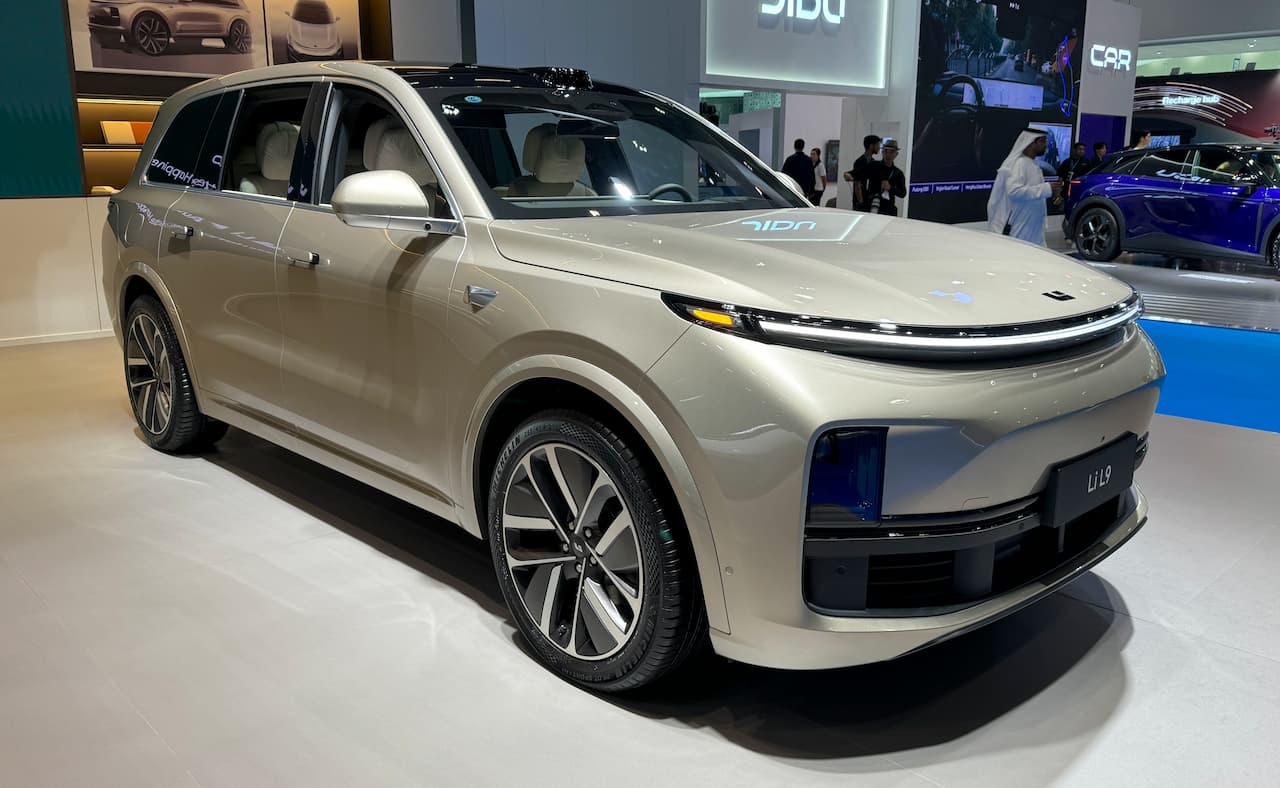
The L9 continues to define Li Auto’s strategy around extended-range electric vehicles, focusing on solving one of the biggest barriers in full electrification: long-distance usability. Rather than committing fully to pure battery EV architecture, the system combines electric driving with a range-extending combustion generator, allowing for consistent long-range performance without charging anxiety. The emphasis is clearly on family luxury, interior space, and real-world practicality, positioning it directly against large premium SUVs in global markets.
XPeng GX
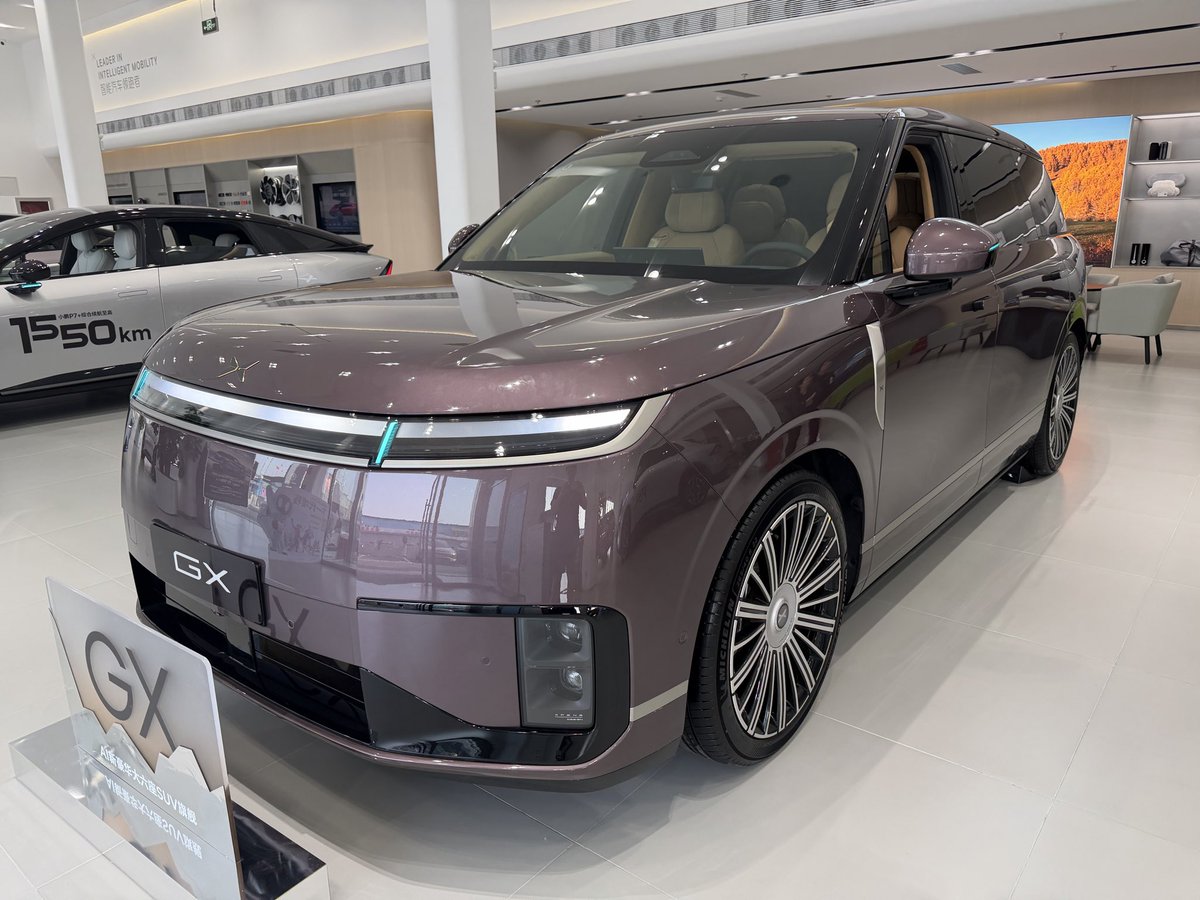
The GX concept represents XPeng’s vision of an AI-first SUV, where the vehicle is designed less as mechanical transport and more as an adaptive computing platform. Autonomous driving capability is a central pillar, supported by a highly digitized cabin experience that learns from user behavior. The focus is on continuous system evolution through software updates, pushing the idea that the vehicle improves over time in the same way a smartphone does.
Xiaomi SU7
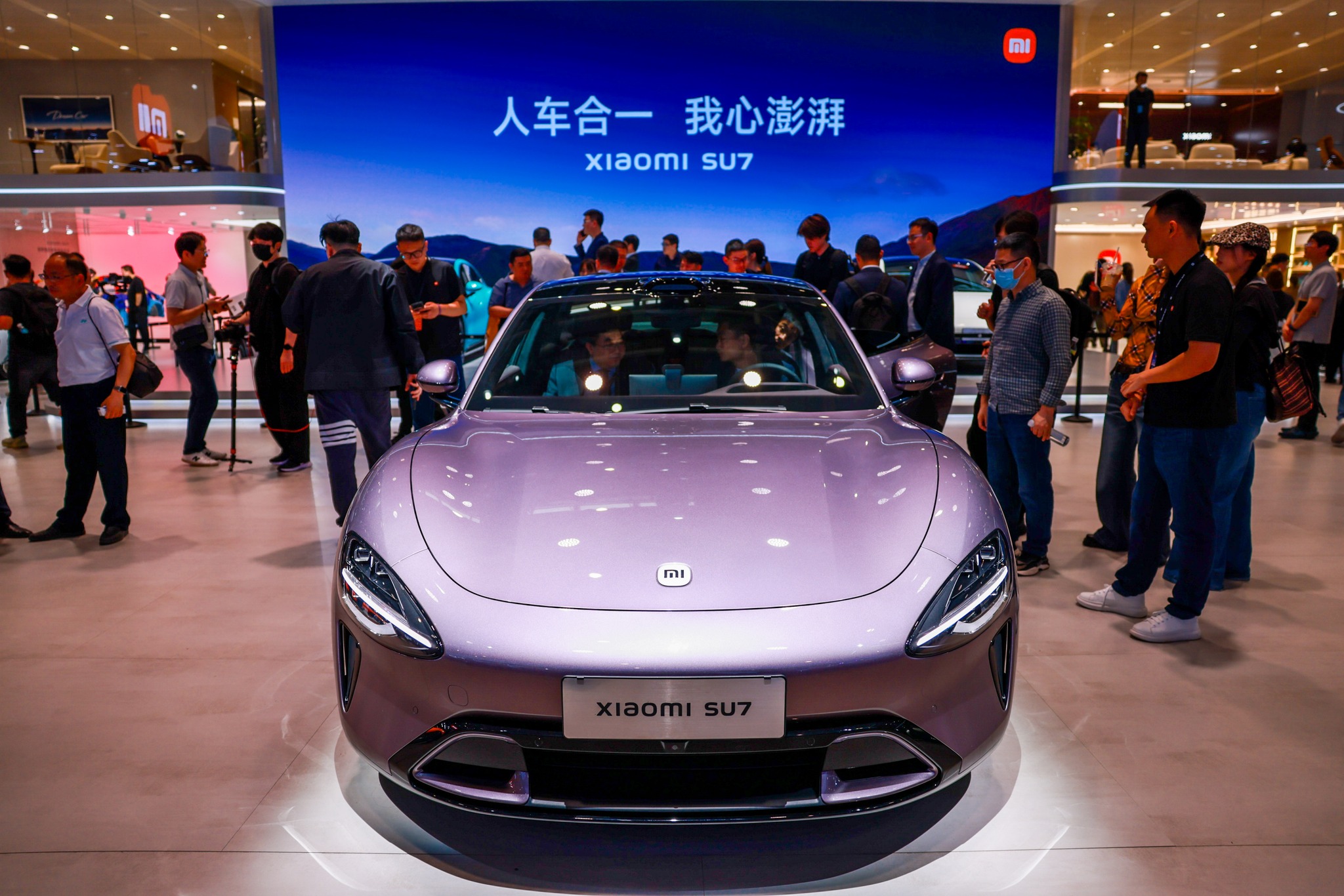
The SU7 ecosystem showcase reflects Xiaomi’s aggressive entry into automotive technology, leveraging its existing dominance in consumer electronics. The vehicle is tightly integrated into Xiaomi’s wider ecosystem, linking smartphones, smart home devices, and cloud services into a single interface. This creates a unified digital environment where the car is no longer isolated hardware but a node within a connected lifestyle network.
Ford Bronco EV
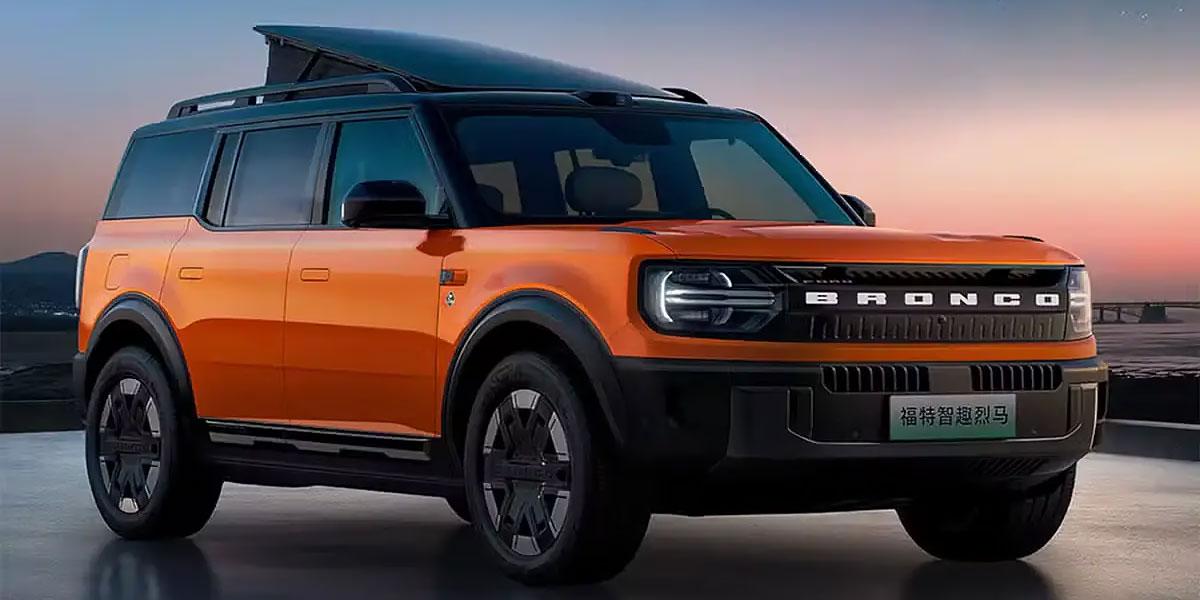
The Bronco EV concept is a critical transition point for Ford, as it attempts to preserve the emotional identity of its off-road heritage while moving into full electrification. The challenge lies in maintaining rugged capability and brand character in a platform that fundamentally changes drivetrain behavior. The result is a reinterpretation of the classic off-road formula through an electric lens, rather than a simple replacement.
Mazda EZ-60
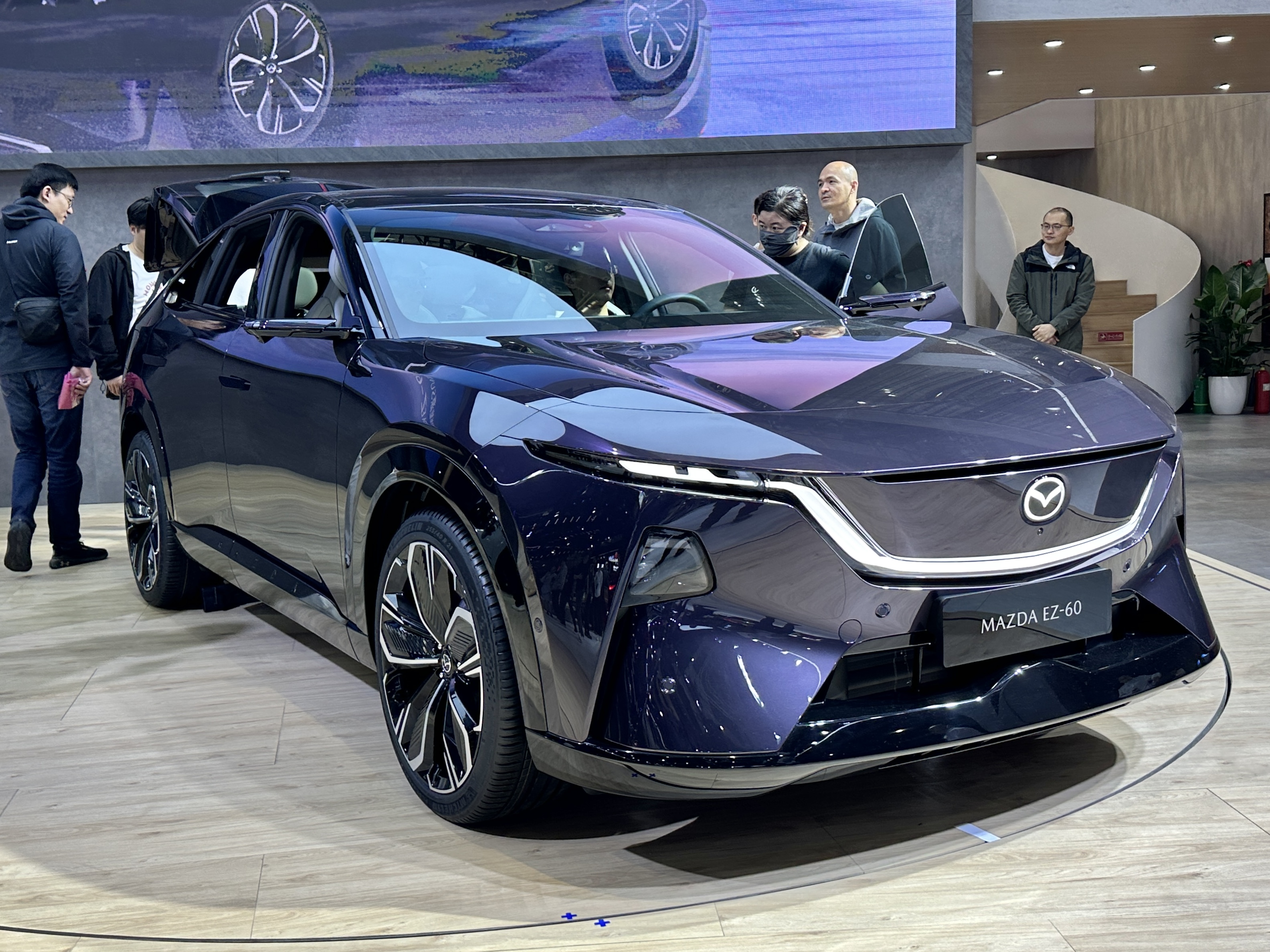
The EZ-60 direction highlights Mazda’s more conservative but deliberate approach to electrification. Instead of focusing purely on disruptive technology, Mazda continues to emphasize driving engagement and human-centered design. The vehicle reflects a balance between new energy systems and the brand’s long-standing philosophy of maintaining a connection between driver and machine.
Volkswagen Jetta X
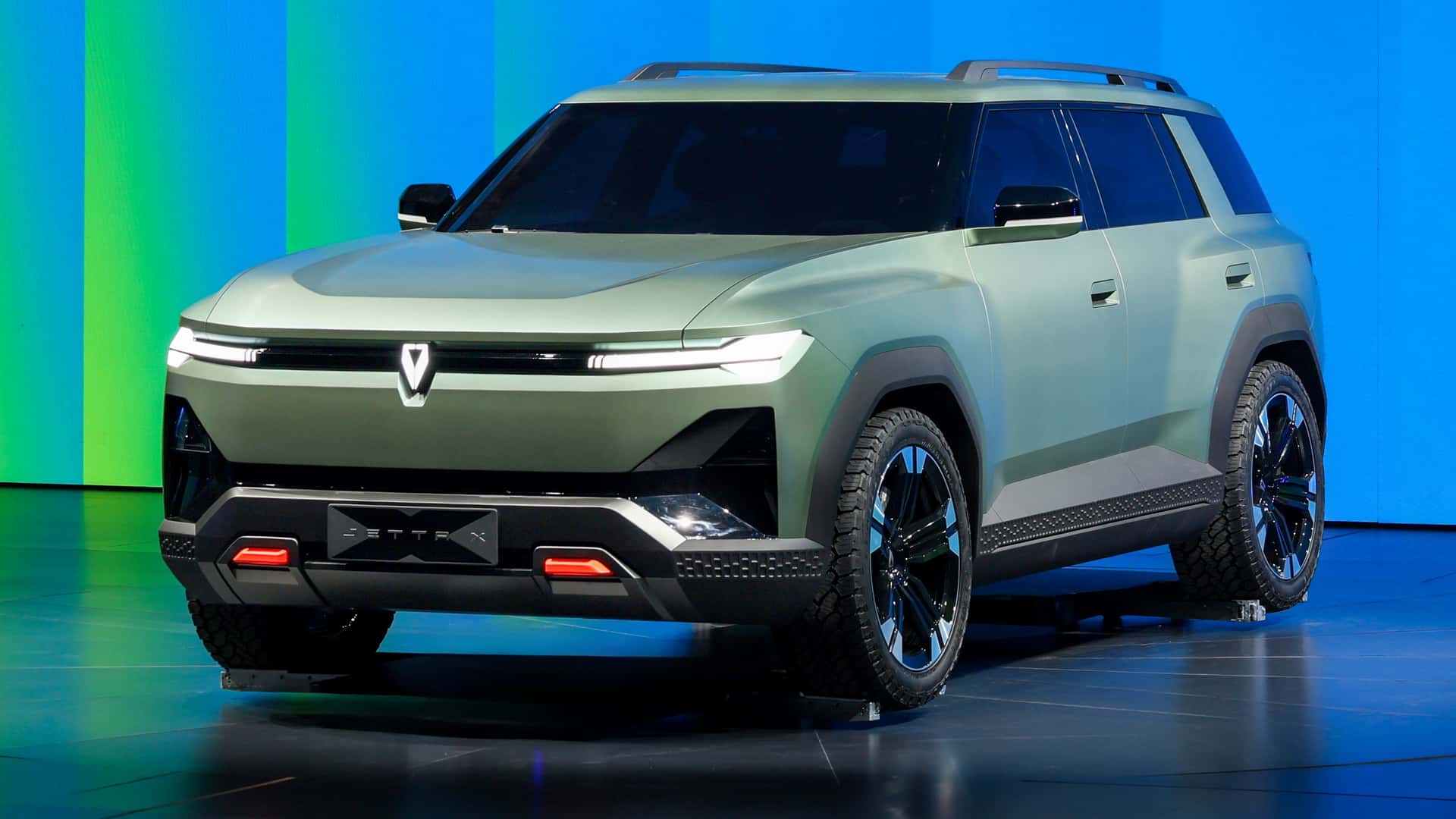
The Jetta X concept demonstrates how Volkswagen is increasingly tailoring its product strategy to the Chinese market. Rather than adapting global models, the brand is now developing China-specific designs that prioritize digital integration, interior space, and localized user expectations. This marks a broader shift toward regionalized product development rather than one global design language.
Buick Electra E7
_01_China_2026-03-26.jpg)
The Electra E7 reflects Buick’s continued reinvention within China, where the brand has taken on a more premium, EV-focused identity compared to its traditional positioning. The emphasis is on comfort-oriented luxury, spacious interiors, and advanced infotainment systems, reinforcing Buick’s strategy of evolving independently in the Chinese market compared to its Western image.
Volvo XC70
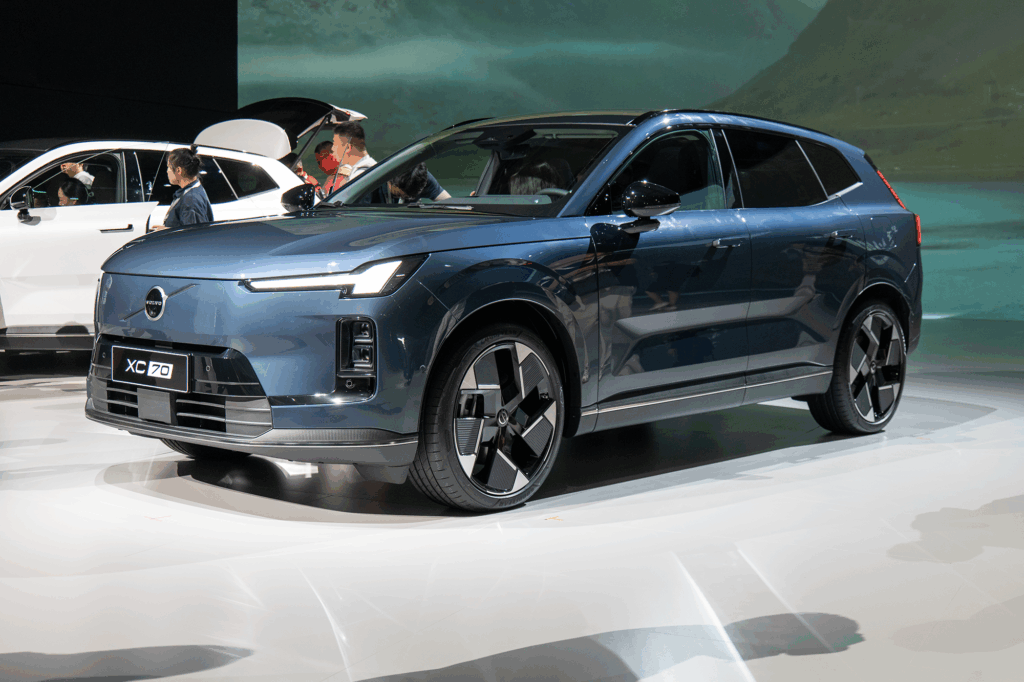
The XC70 revival concept signals Volvo’s effort to translate its historical identity into the electric era. The focus remains on safety, understated premium design, and practicality. Rather than chasing aggressive styling trends, Volvo continues to prioritize functional design and occupant protection, reinforcing its long-standing brand philosophy in a modern EV context.
Audi E5 Sportback
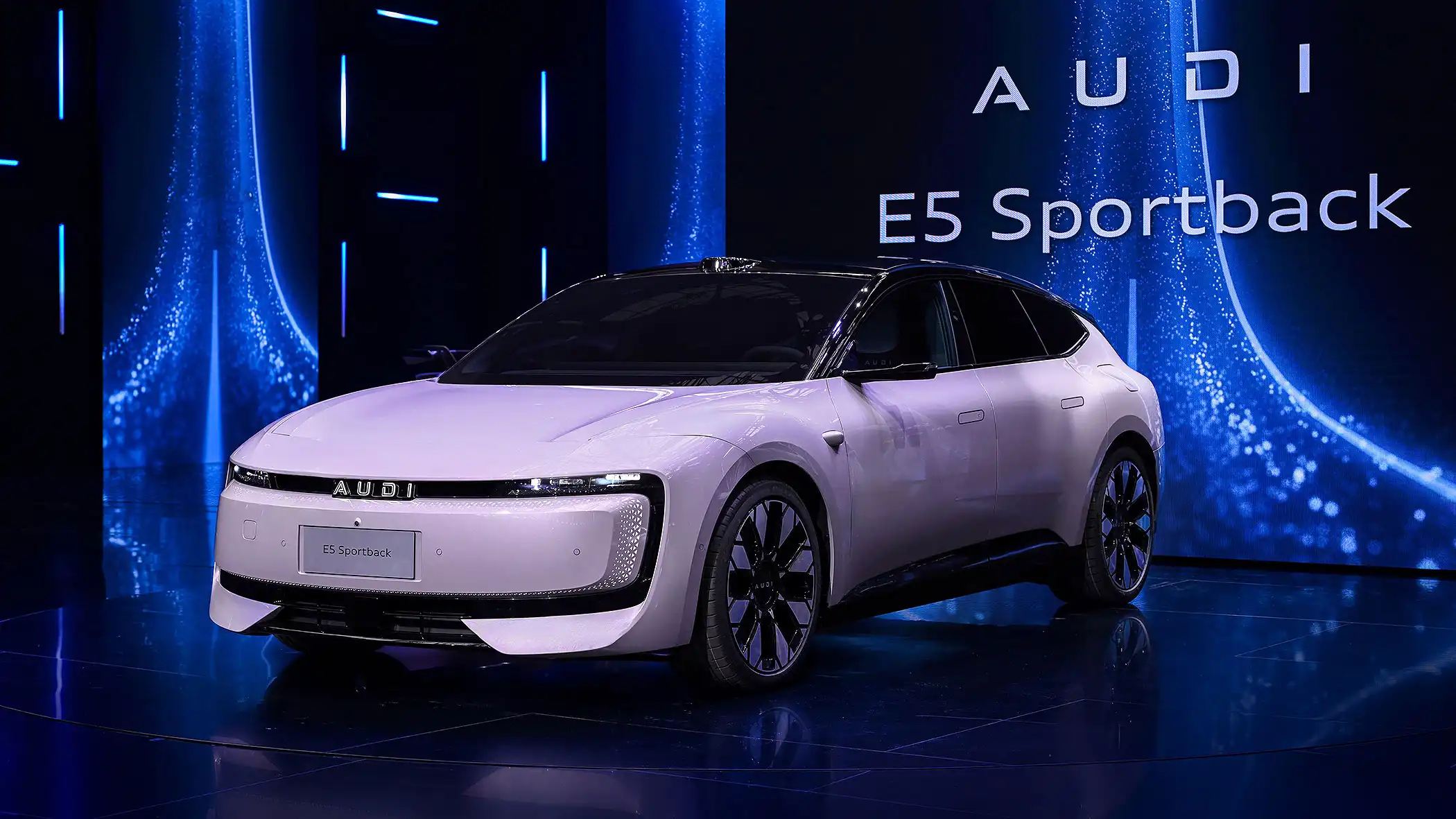
The E5 Sportback reflects Audi’s growing reliance on China-centric EV development, where digital interfaces and software experience are becoming just as important as traditional performance metrics. The vehicle highlights a shift toward cleaner electric architecture combined with more immersive in-car technology, signaling Audi’s adaptation to a rapidly changing premium segment.
Smart #2 Concept
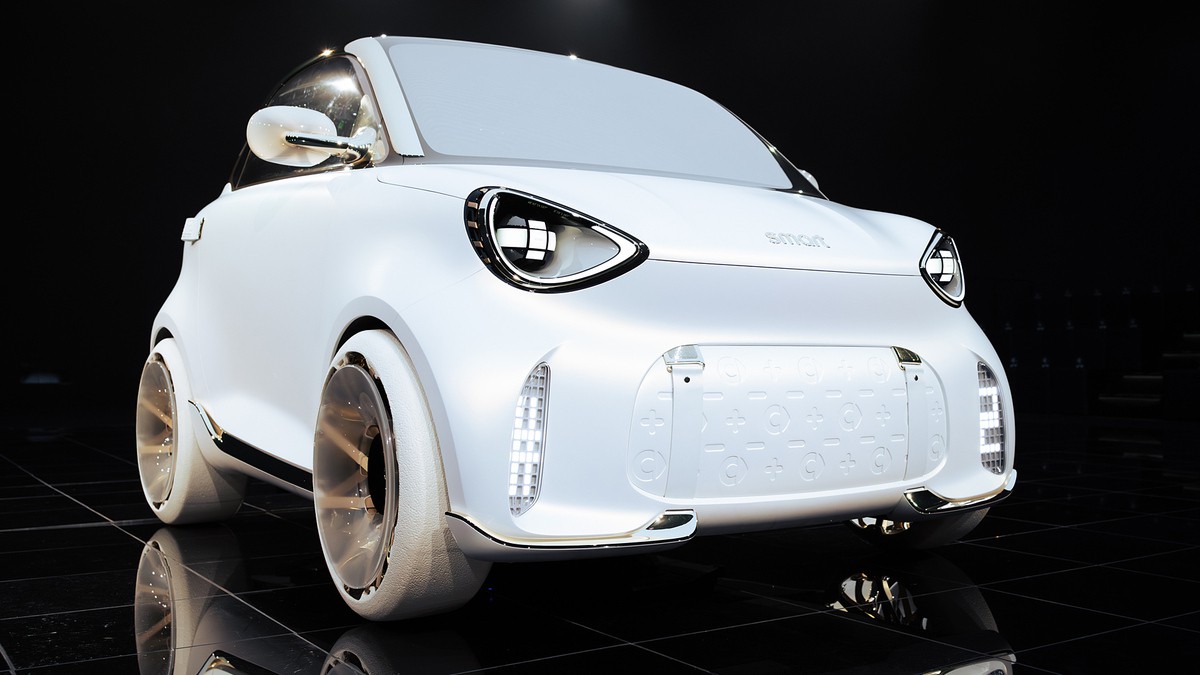
The Smart #2 concept focuses on compact urban mobility, addressing the growing need for efficient transportation in dense city environments. Its design prioritizes size efficiency, maneuverability, and connected functionality over performance or long-range capability. It represents a clear counterpoint to the SUV-heavy direction dominating much of the show.
Across all ten highlights, the underlying pattern is consistent: vehicles are no longer defined purely by hardware, but by software capability, ecosystem integration, and adaptability. The 2026 Beijing Auto Show reinforces a clear shift in global automotive leadership dynamics, with China increasingly shaping the direction of the industry rather than simply participating in it.
Recent Articles
Most Viewed
Advice


Related Articles

-thumb_webp.webp)
-thumb_webp.webp)