Login / Register


News & Reviews
-thumb_webp.webp)
Drive Smart in Qatar’s Desert: Essential Safety Tips
15 Dec 2025
Desert season is on — more people head out to Sealine and Khor Al Adaid for dune runs, camping and beaches. The desert is beautiful, but it’s unforgiving if you aren’t prepared. Below is a tightly-researched, practical guide you can print and share: why desert driving is different, the biggest risks in Qatar, how to prepare your vehicle and group, step-by-step driving and recovery techniques, legal/phone numbers you should know, and a one-page checklist.
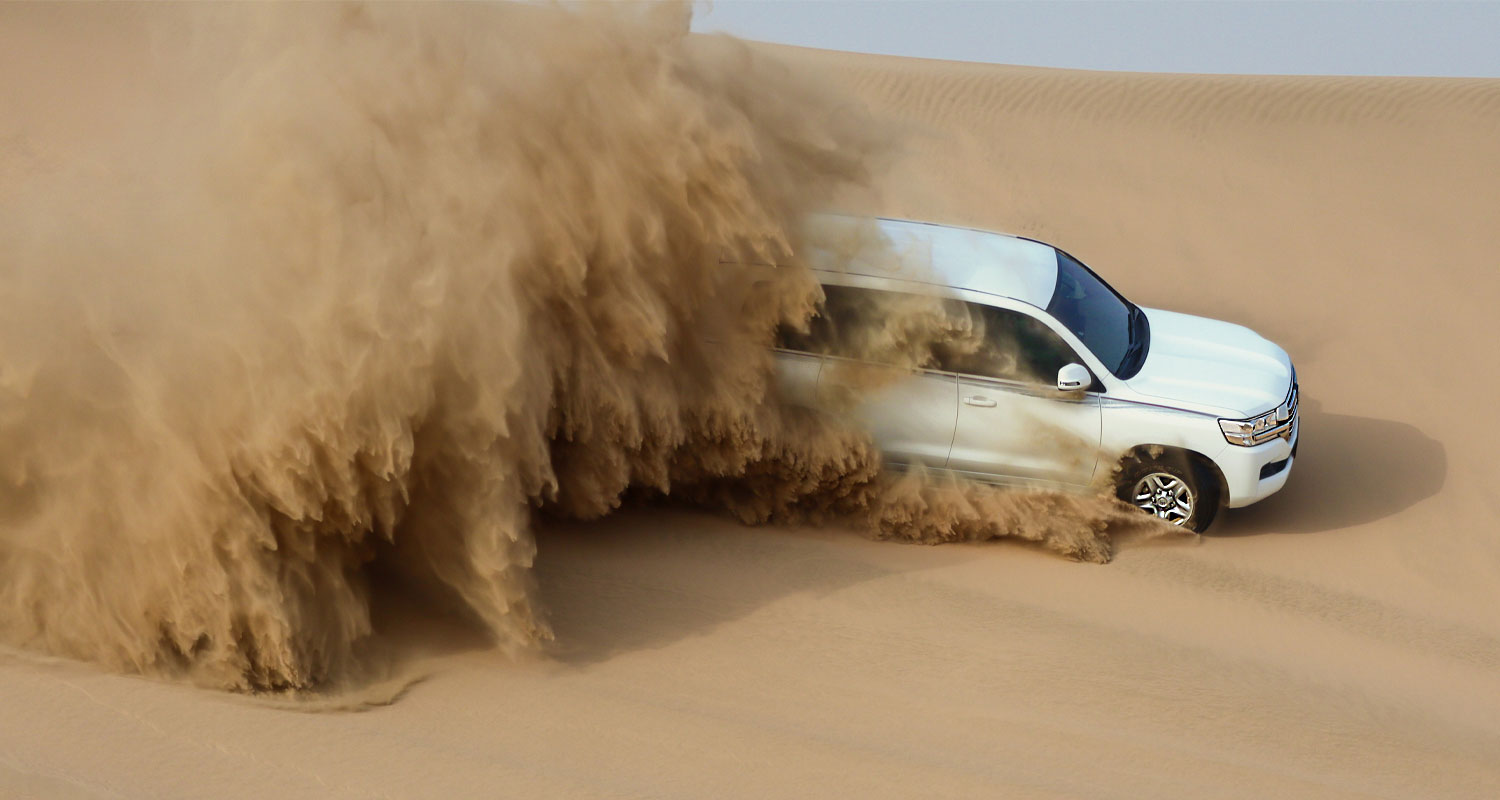
Why desert driving needs a different approach
Soft sand behaves very differently to tarmac. Traction, steering response and braking change dramatically; visibility can drop in blowing sand or mirages, and hidden dips or salt flats (sabkhas) can swallow a vehicle. Local studies and reporting show desert incidents are a known risk in Qatar, often linked to inexperienced drivers, dune-bashing and poor preparation.
Most important things to accept up front
- Never go alone. Solo desert trips greatly increase risk if you get stuck, break down, or are injured.
- Use a suitable vehicle and kit. Sedans are not for deep sand; a capable 4×4, lowered tyre pressure, recovery gear and communications are essential.
- Respect local rules and licensed guides. Desert safaris and many dune areas are regulated; authorised guides and operators are required for commercial tours. Private dune driving is widely available but is subject to safety guidance and occasional restrictions.
Pre-trip vehicle checklist (do this before you leave home)
- Full service / oil and coolant check; batteries in good condition.
- Tyres: sound tread, no sidewall damage. Have a full-size spare (or two) and a reliable jack.
- Recovery gear: rated recovery straps (kinetic straps), snatch/soft shackles, tow rope, traction boards (sand ladders), shovel, high-lift jack (if you know how to use it), winch (if fitted), and gloves.
- Tyre pressure gauge and portable 12V air compressor (to re-inflate for road travel).
- Communication: charged mobile phones, spare power bank, and (if available) a satellite communicator or PLB when going far from coverage; note that coverage can be patchy in remote areas.
- First-aid kit, water (at least 4–6L per person for day trips), sun protection, torch, blankets, and basic tools.
Tyre pressure: why and how much to drop
Lowering tyre pressure increases the tyre footprint and helps your vehicle “float” rather than dig. Suggested ranges from local 4×4 communities and guides:
- Light to medium soft sand: ~20–24 psi as a starting point.
- Very soft deep sand: ~13–18 psi, but be careful — going too low (especially below ~15 psi on some wheels) risks tyre bead separation from the rim. Always carry a compressor to re-inflate before hitting roads. Adjust by feel and weight/load.
Important: know your vehicle’s wheel/tyre limits. If you’re unsure, stay conservative and ask an experienced local or guide.
Driving technique: steady, deliberate, predictable
- Momentum is your friend — keep steady throttle through soft sections. Sudden acceleration or braking will dig you in.
- Use low range in a 4×4 for dunes and soft sand; choose a gear that lets you maintain steady revs without high revving.
- Avoid sharp steering inputs when wheels are digging — small, gentle corrections.
- Don’t stop on steep dune faces. If you must stop, try to pull onto a flatter area.
- When cresting dunes, don’t stop on the top — you may not see what’s on the other side. Approach at controlled speed, accelerate through if needed.
- Follow existing tracks where possible; this reduces environmental damage and usually avoids softest sand. Stay off interdune vegetation and protected areas.
If you start to get stuck...
- Don’t panic. Stop, assess, and don’t spin the wheels fast (that digs you deeper).
- Lower tyre pressures more (within safe limits) to increase flotation. Measure with a gauge.
- Clear sand from around tyres (shovel) and place traction boards or firmly packed material under the tyres in the direction of travel.
- Try a gentle rocking motion (reverse then forward) to gain momentum — do this carefully.
- Use rated recovery straps or winch if another vehicle is present — attach to recovery points only (not bumper or tow hooks unless rated). Keep all bystanders clear of the pull line.
- Call for professional recovery if the vehicle can’t be self-extracted or if there’s doubt — many Sealine recovery services operate 24/7.
Group travel & communication — never underestimate this
- Travel with at least one other vehicle whenever possible. That provides assistance for recovery and an extra set of eyes.
- Establish simple hand signals, stick to a single lead vehicle (ideally experienced), and keep sensible spacing so you don’t all get stuck in the same patch.
- Tell someone on the mainland your plan and estimated return time (and stick to it). If plans change, update them.
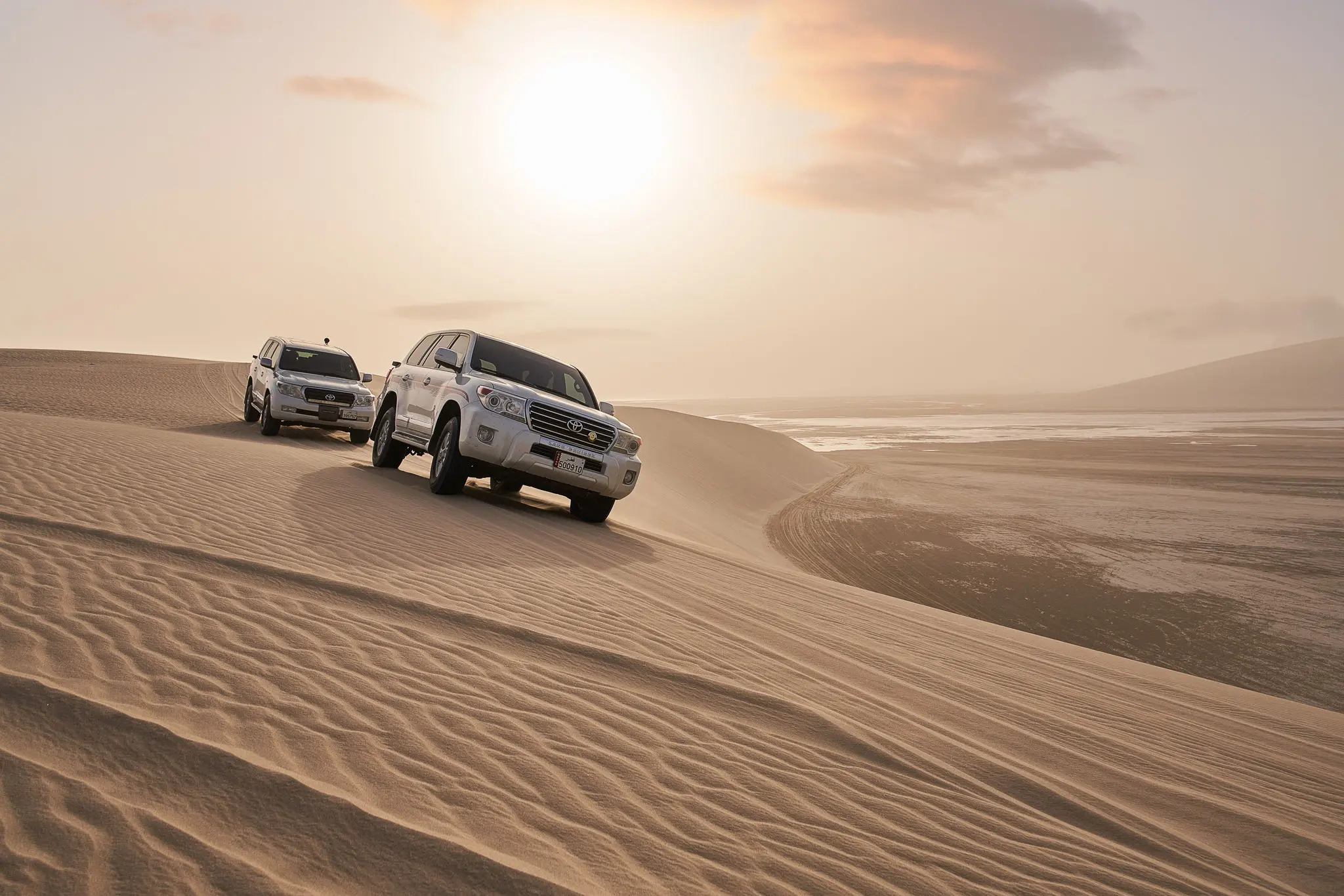
Legal & safety rules
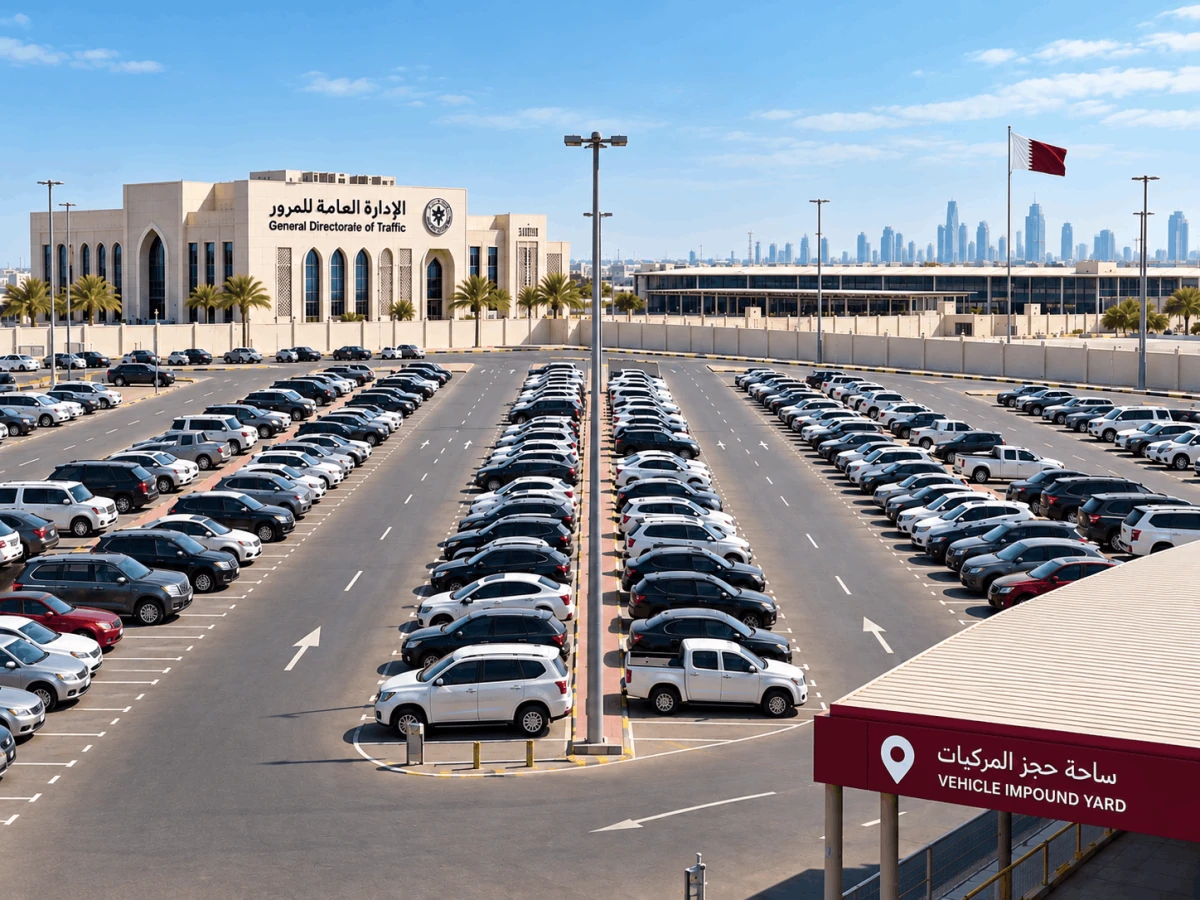
- Emergency lines: 999 for Police / Ambulance / Fire. Tourist police and some rescue organisations also publish local contact numbers for Sealine recovery; rescue teams like Mawater/Fazat have been referenced locally for desert incidents. Keep local towing/recovery numbers saved.
- Desert safari operators and guides are regulated; using licensed guides for commercial tours is required. Commercial activities often have hours/permit limits (e.g., restrictions on renting 4×4’s or driving after dark without a permit). If you’re in doubt, consult Qatar Tourism or the relevant authority.
When to avoid the desert
- After heavy rain or if sabkha (salt flats) may be wet — these can be extremely treacherous.
- During strong winds/sandstorms — visibility and mechanical strain increase significantly. Local meteorology updates are available online; check before you go.
Post-drive vehicle care
Thoroughly wash underbody, wheelarches and diff housings to remove sand. Sand is abrasive and can accelerate wear in bearings, brakes and suspension. Check tyres and wheel rims for cuts, and re-inflate tyres to road pressures before returning to highways.
Recent Articles
Most Viewed


Advice


Related Articles

-thumb_webp.webp)
-thumb_webp.webp)