
 Login / Register


News & Reviews
-thumb_webp.webp)
Car Modifications: What Passes Fahes—and What Doesn’t
12 Apr 2026
Modifying a vehicle can enhance its performance, comfort, and visual identity. However, in Qatar, every alteration must align with strict inspection standards enforced by the Fahes system. Non-compliance does not merely result in a failed inspection. It can lead to fines, delays in registration, or classification of the vehicle as unfit for road use.
The key is not whether modifications are possible, but whether they are executed within defined regulatory boundaries.
Why Fahes Regulations Matter
Vehicle inspection standards are designed to preserve road safety, limit environmental impact, and ensure mechanical integrity. Any modification that alters vehicle behavior, structural balance, or interaction with other road users is subject to strict evaluation.
Even well-intentioned upgrades can fail if they:
• Compromise safety systems
• Exceed acceptable noise or emissions levels
• Restrict driver visibility or control
• Depart significantly from manufacturer specifications
Exterior Changes:
Exterior modifications are among the most noticeable—and most closely checked.
Subtle enhancements, such as factory-style body kits, are generally acceptable when properly installed and structurally safe. However, more aggressive alterations—such as extreme lowering, oversized aerodynamic components, or protruding elements—are commonly rejected.
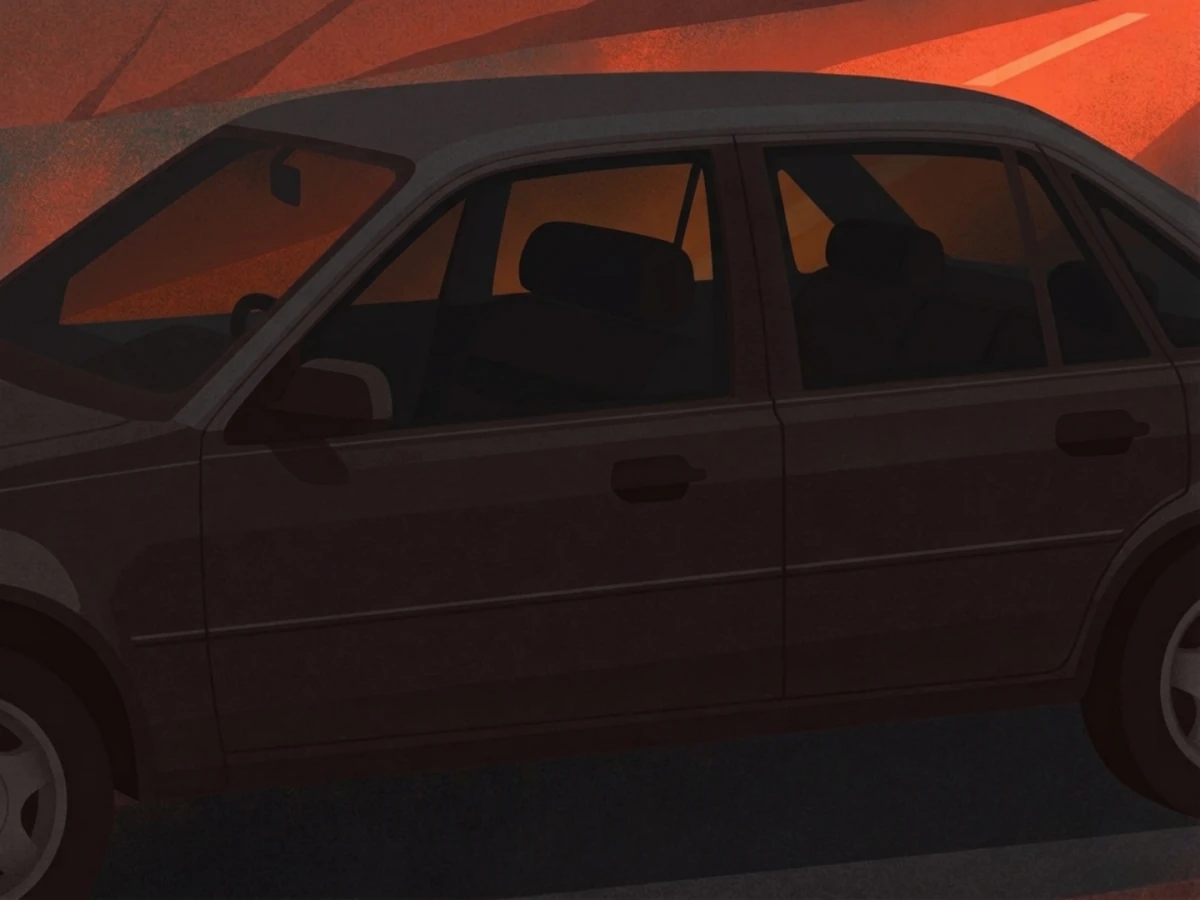
Window tinting remains regulated. While permitted, it must comply with visibility standards. For instance, excessively dark tints that obscure the interior is a typical cause of failure.
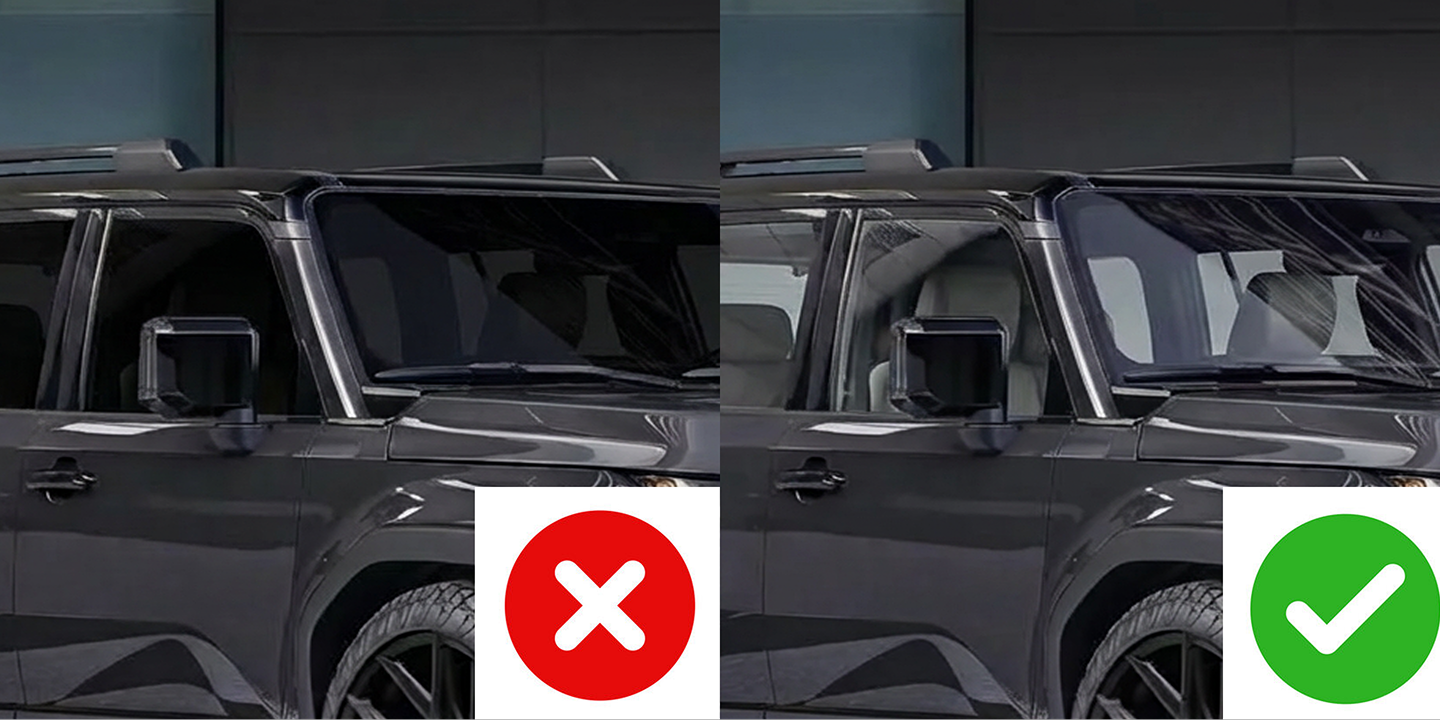
Lighting modifications require particular caution. Improper color temperatures, excessive brightness, or misaligned beams can result in rejection. Non-standard colors, especially those resembling emergency vehicles, are typically prohibited.
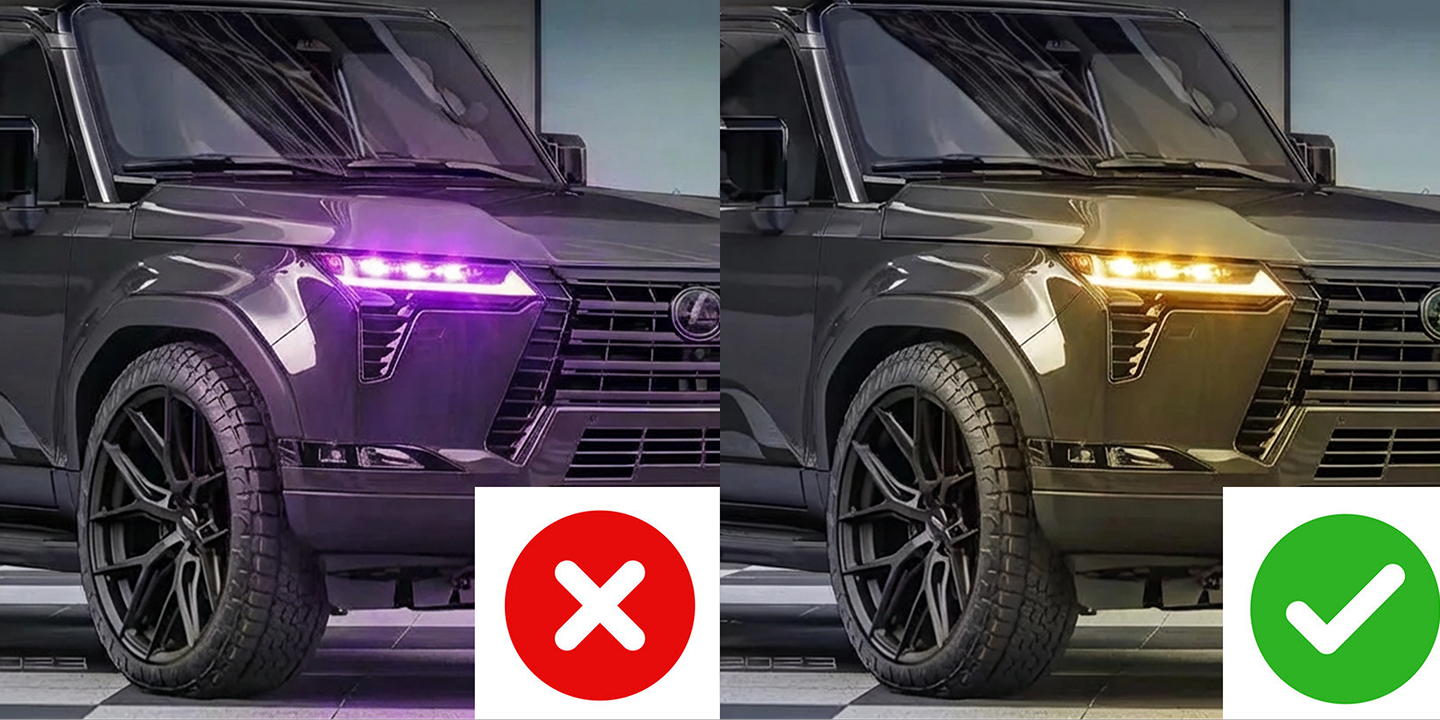
Performance Changes:
Performance modifications operate within a tightly controlled framework.
Engine tuning, forced induction upgrades, and exhaust modifications may improve output, but they also influence emissions, acoustics, and overall system balance. As a result, they often require approval and must remain within prescribed thresholds.
Exhaust systems are a primary inspection focus. Systems that generate excessive noise or remove emissions components, such as the catalytic converter are likely to fail. For example, a vehicle producing an unusually loud or intrusive exhaust note under acceleration would not pass inspection.
Suspension modifications are permitted within limits. Excessive lowering can compromise stability and ground clearance, while excessive lifting may affect handling dynamics, both of which are evaluated during inspection.
Wheels and Tires: performance First
Wheel and tire modifications must preserve the vehicle’s original engineering balance.
Rim sizes should remain within acceptable ranges relative to factory specifications. Oversized wheels can disrupt braking efficiency, steering response, and calibration of the speedometer.
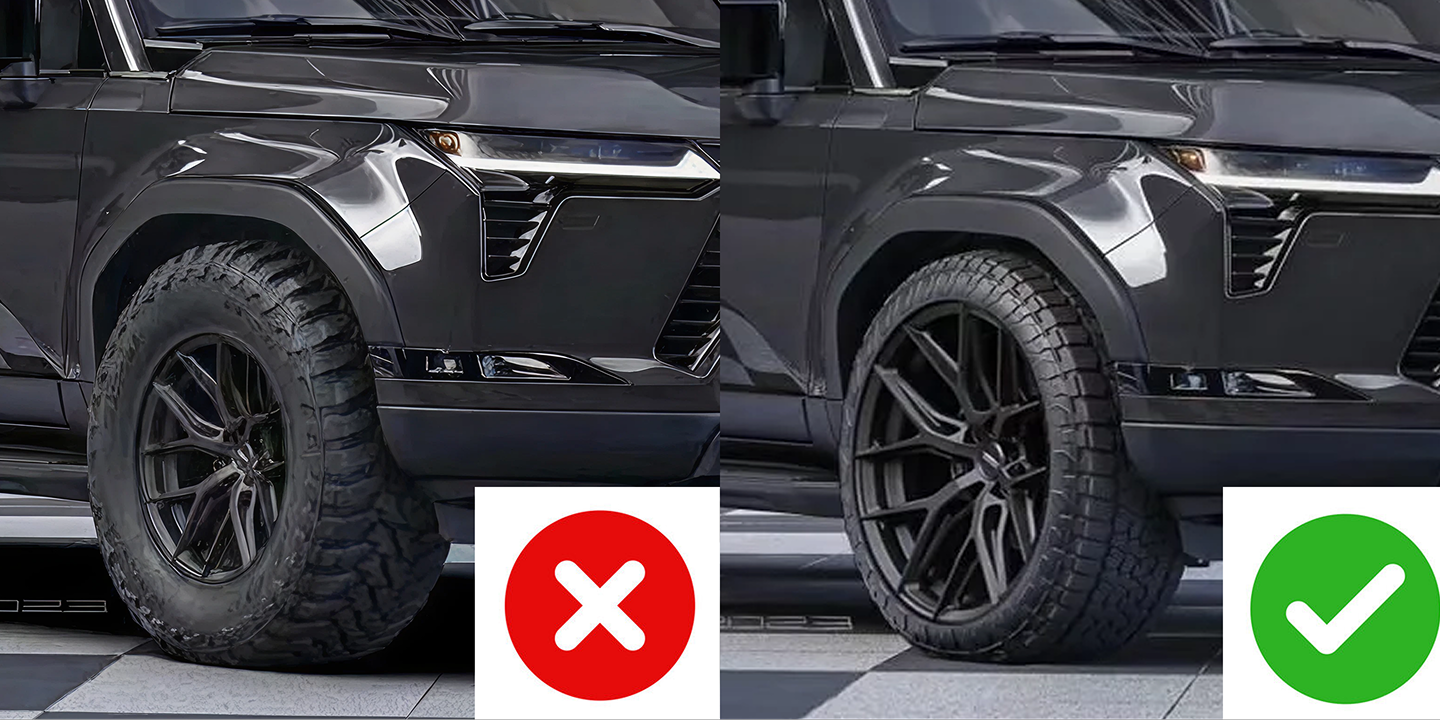
Tire condition and configuration are equally critical. Uneven wear, incorrect load ratings, or mismatched tire sizes across an axle can result in immediate rejection.
Interior Changes: Safety First
Interior modifications offer more flexibility, provided they do not interfere with essential safety systems.
Airbags, seatbelts, and electronic stability controls must remain fully functional at all times. Any modification that disables or compromises these systems is strictly prohibited.
Upgrades such as infotainment systems, ambient lighting, or upholstery enhancements are generally acceptable, provided they are installed correctly and do not obstruct the driver’s field of view or access to controls.
Common Reasons for Inspection Failure
Most failures stem from preventable issues rather than major modifications:
• Window tint exceeding legal limits
• Non-compliant or excessively loud exhaust systems
• Improper lighting setups
• Unsafe suspension alterations
• Incorrect wheel and tire configurations
Attention to detail is often the difference between approval and rejection.
A Practical Approach to Modifications
To ensure compliance:
• Maintain proximity to original manufacturer specifications
• Select certified, high-quality components
• Work with professionals familiar with local regulations
• Obtain approval for significant modifications prior to installation
• Conduct thorough pre-inspection testing
Effective modification enhances a vehicle without undermining its safety or legality.
Conclusion
Vehicle modification in Qatar is best understood as a balance between personalization and regulation. The Fahes framework ensures that all vehicles meet consistent standards of safety and reliability.
Within these boundaries, thoughtful modifications are not only possible, they are encouraged. The distinction lies in execution: precise, compliant, and informed.
Recent Articles
Most Viewed


Advice


Related Articles

-thumb_webp.webp)
-thumb_webp.webp)