
 Login / Register


News & Reviews
A Driver’s Guide To Picking The Right Window Tint
19 May 2026
Choosing the right window tint isn’t just about looks—it affects heat rejection, visibility, privacy, and even legal compliance. A poor choice can lead to discomfort, reduced safety, or fines, while the right tint enhances driving experience and protects your car’s interior.
Start by understanding what window tint actually does. It reduces solar heat gain, blocks harmful UV rays, and cuts glare. Higher-quality films can reject up to 99% of UV radiation, helping preserve upholstery and reduce cabin temperature significantly, especially in hot climates.
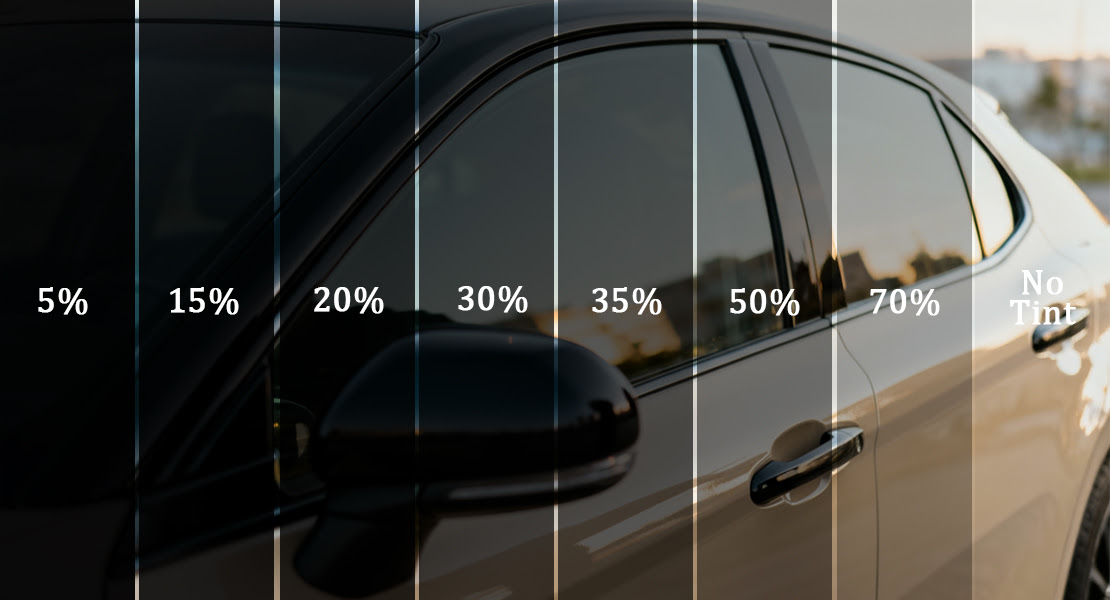
The next step is to learn the main types of tint films available. Dyed film is the most affordable and provides basic privacy but fades over time. Metalized film reflects heat effectively but can interfere with signals like GPS and mobile reception. Carbon film offers better durability and heat rejection without signal issues, while ceramic tint is the premium option, delivering maximum heat and UV rejection with excellent clarity and no interference.
After that, check your local tinting laws carefully. Every country—and sometimes regions within it—has regulations regarding Visible Light Transmission (VLT), which determines how dark your windows can be. Installing illegal tint can result in fines or forced removal, so always verify the allowed percentages for front, rear, and windshield areas.
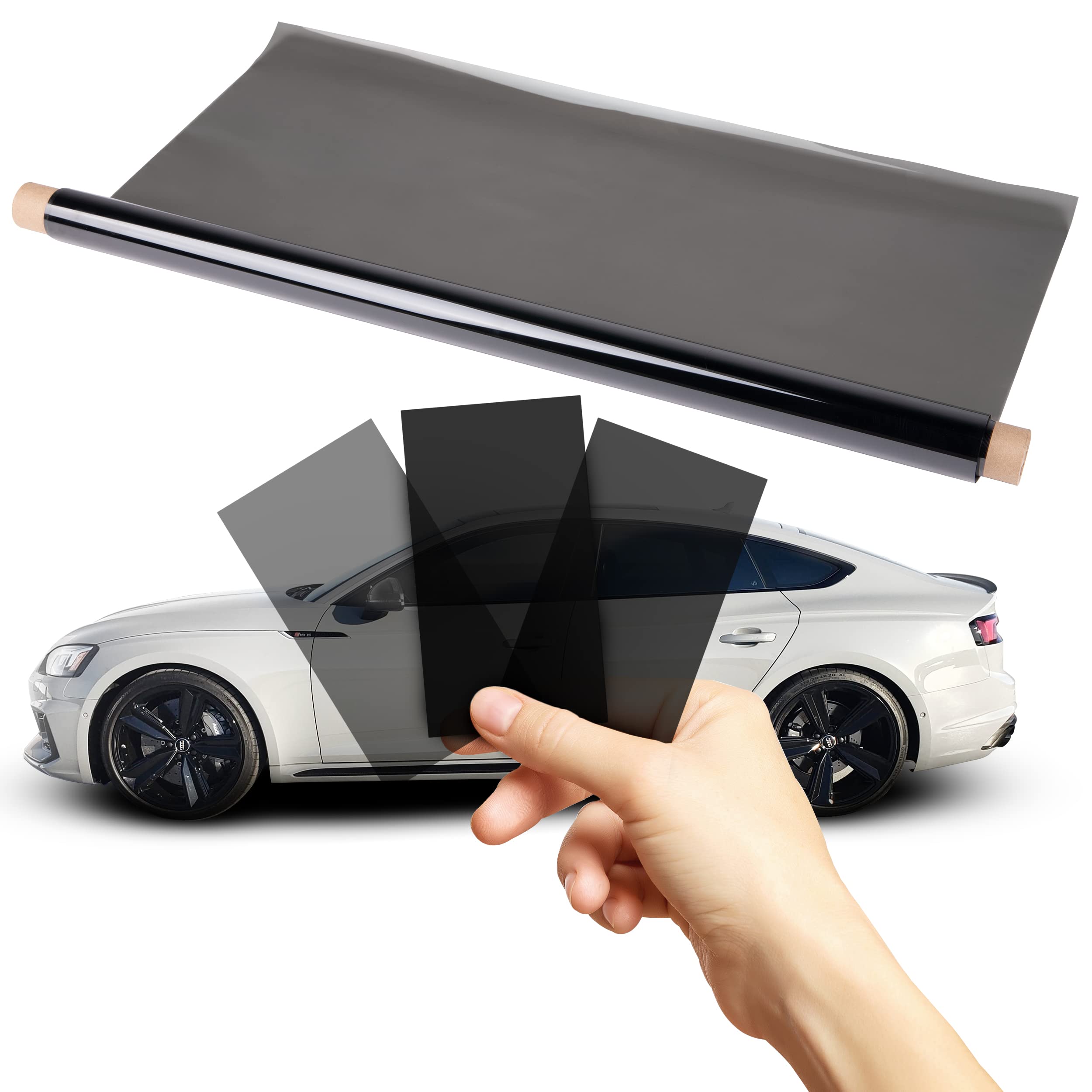
Then consider your primary goal. If your focus is heat reduction, ceramic or carbon films are the best choice. For privacy, a darker VLT is ideal, but you must stay within legal limits. If budget is your concern, dyed films may work, though they won’t perform as well long-term.
Another important factor is visibility and driving safety. Extremely dark tints can reduce nighttime visibility, especially on poorly lit roads. A balanced approach is to go slightly lighter on the front windows and darker on the rear to maintain both safety and privacy.
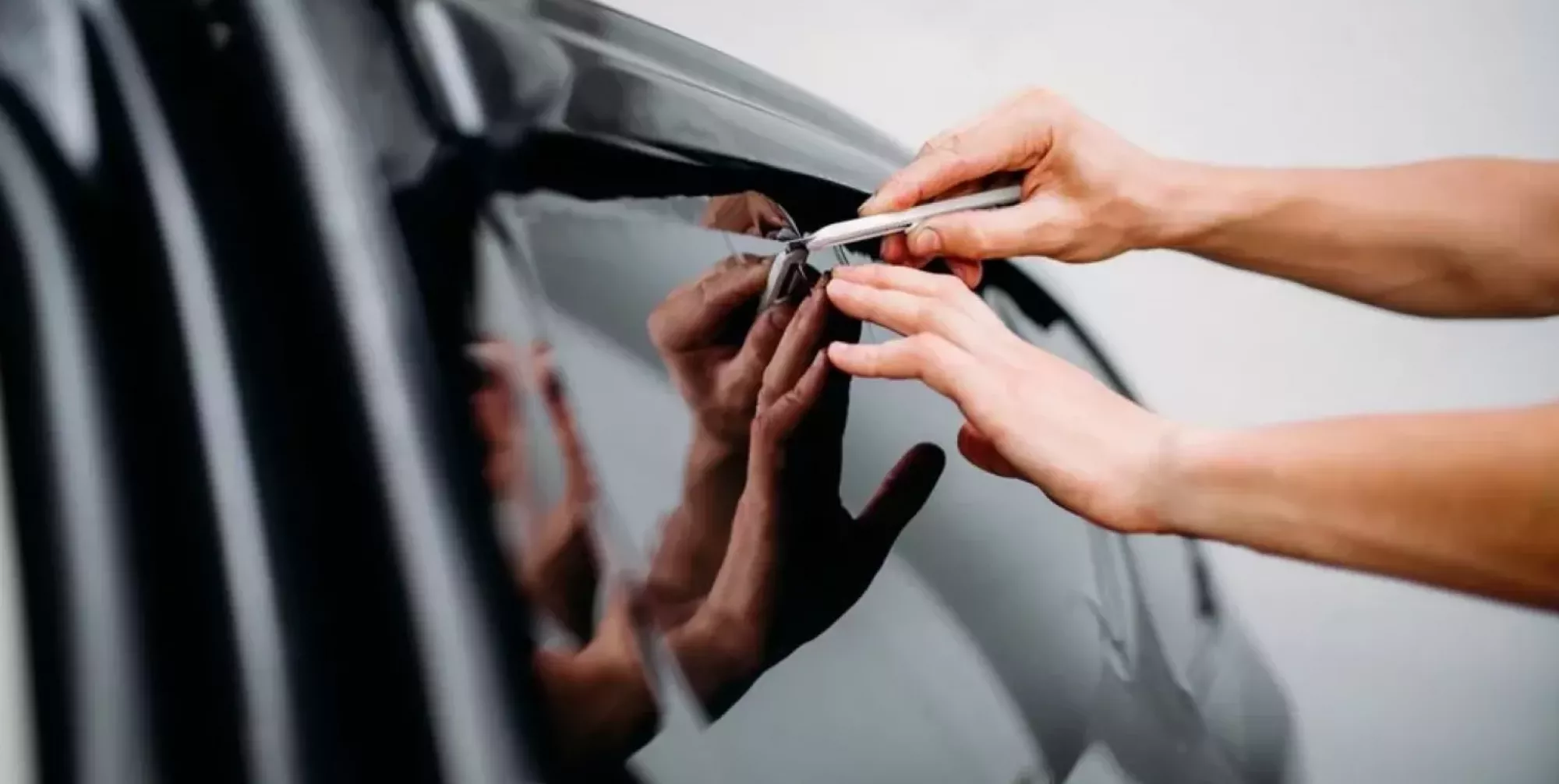
You should also evaluate installation quality. Even the best tint film will fail if installed poorly. Look for professional installers who offer clean application, no bubbles, and a warranty. Cheap installations often result in peeling, discoloration, or uneven finishes.
Finally, think about long-term durability. High-quality films like carbon and ceramic resist fading, bubbling, and discoloration over time. Spending more upfront often saves money in the long run by avoiding replacements.
By following these steps—understanding film types, checking laws, defining your needs, balancing visibility, ensuring proper installation, and investing in quality—you can confidently choose a window tint that suits your car and driving conditions.
Recent Articles
Most Viewed

Advice


Related Articles
-thumb_webp.webp)

-thumb_webp.webp)
-thumb_webp.webp)
-thumb_webp.webp)
