
 Login / Register


News & Reviews
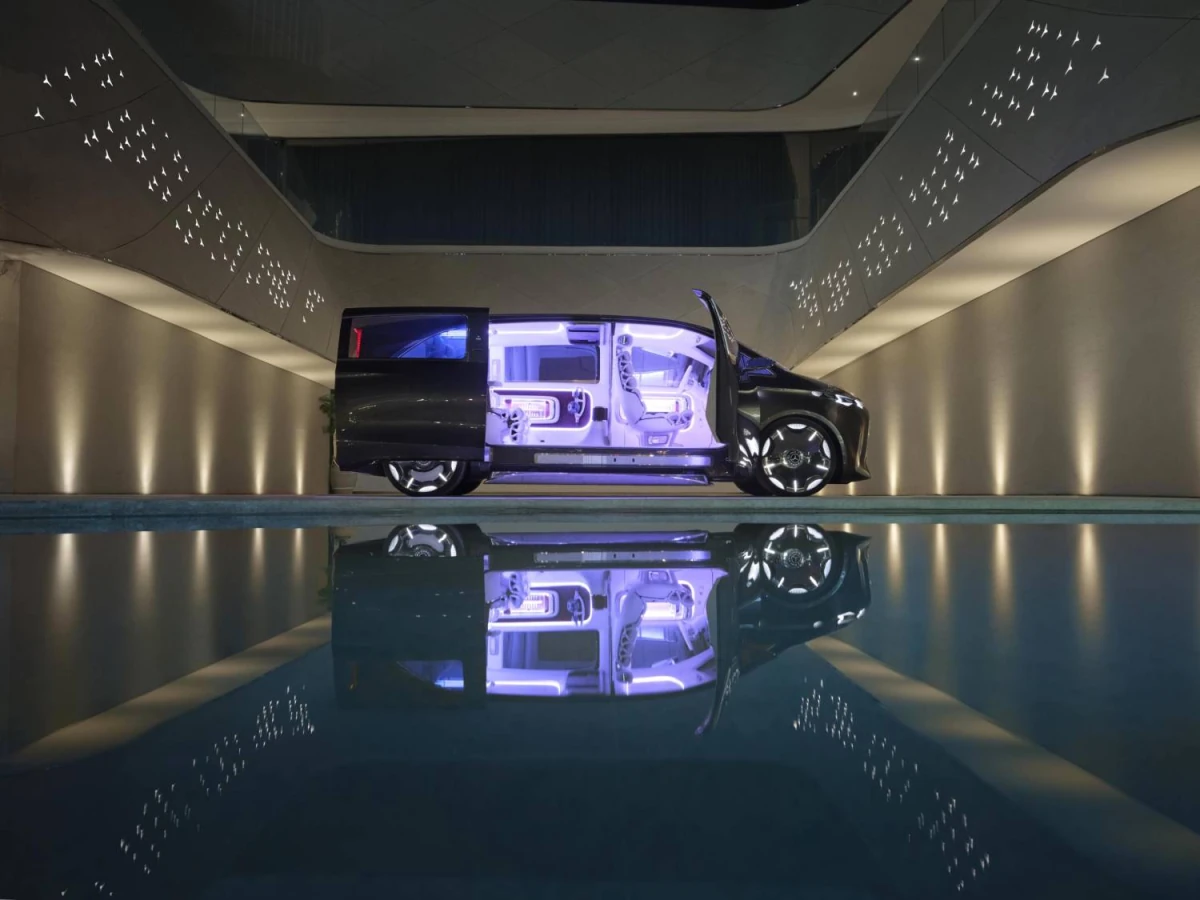
Mercedes-Maybach VLS: The Future of Ultra-Luxury Electric Vans
03 Apr 2026
Mercedes-Maybach has formally positioned the VLS as a “Grand Limousine,” but the announcement makes clear that the interior is the actual product, engineered as a first-class private space rather than a conventional vehicle cabin. Built on the VAN.EA electric architecture, the absence of a combustion drivetrain allows a complete rethinking of interior proportions, pushing the layout toward maximum usable volume and uninterrupted floor space.
The rear cabin is defined as a “first-class” environment, with multiple seating configurations including a two-seat executive layout that mirrors private jet design logic, where each passenger occupies a dedicated zone rather than sharing space across a bench. This configuration is not incidental but structural, shifting the vehicle’s purpose toward individualized comfort, privacy, and controlled ergonomics.
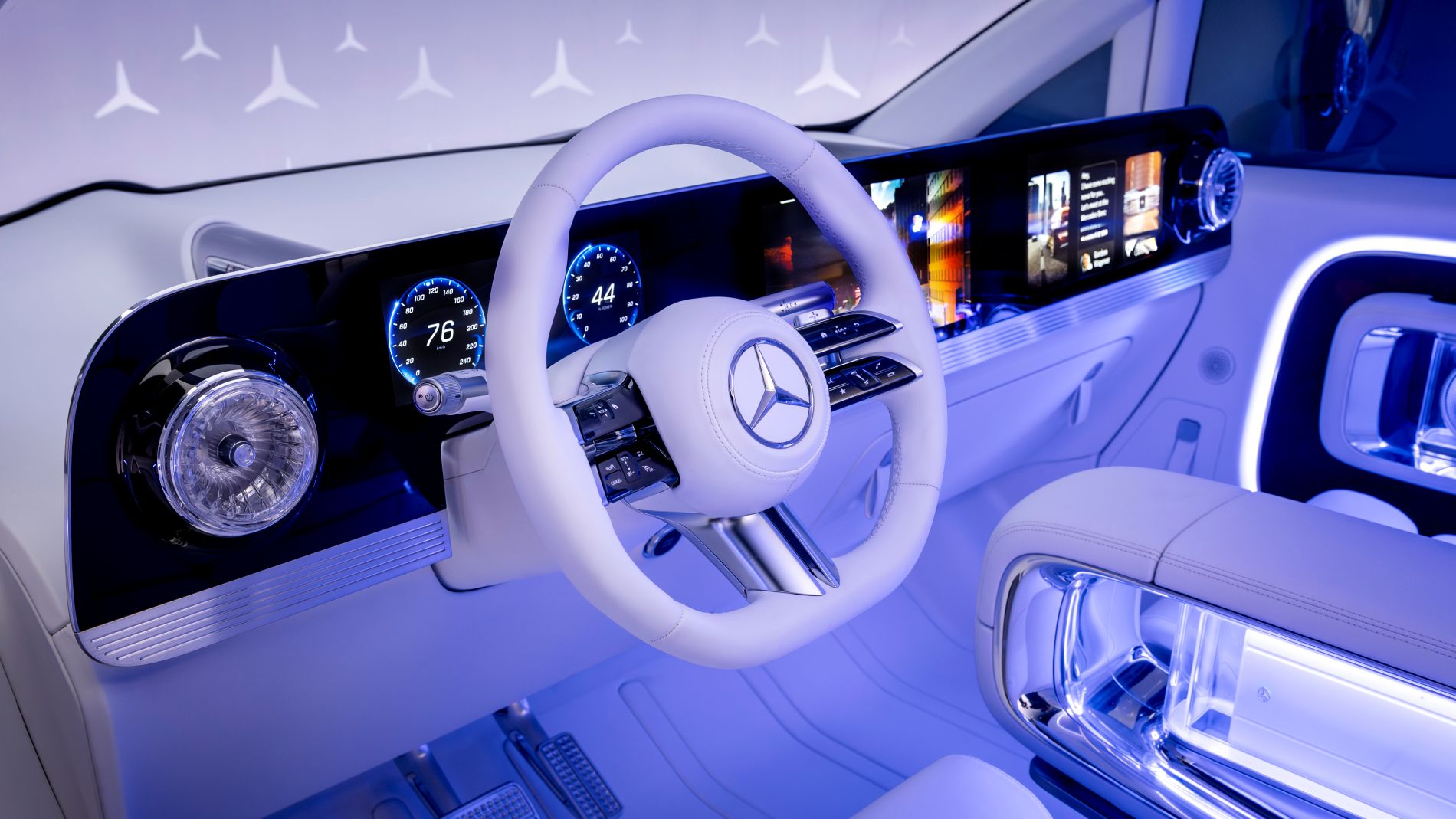
The core concept behind the interior comes from the Vision V preview, where the cabin is treated as a lounge rather than seating rows, integrating large-scale digital surfaces and immersive media. One of the most significant technical elements revealed is a ~65-inch rear display, effectively turning the cabin into a mobile cinema environment, supported by high-end audio systems such as Dolby Atmos for spatial sound distribution. This transforms the interior from passive seating into an active digital environment where media, work, and relaxation coexist.
Material strategy follows Maybach’s established approach but is applied across a larger surface area, amplifying its effect. The focus is on handcrafted finishes, premium leather, wood, and metal integration, combined with advanced ambient systems designed to control lighting, mood, and perceived space. The announcement emphasizes craftsmanship and sensory isolation as primary engineering goals, not decorative features.
.png)
Acoustic and ride integration are central to the interior design. Electric architecture reduces baseline noise, but the VLS is expected to extend this with enhanced insulation and structural refinement to maintain a near-silent cabin. This aligns with the objective of creating a “private lounge” where external conditions are minimized and internal consistency is maintained regardless of speed or environment.
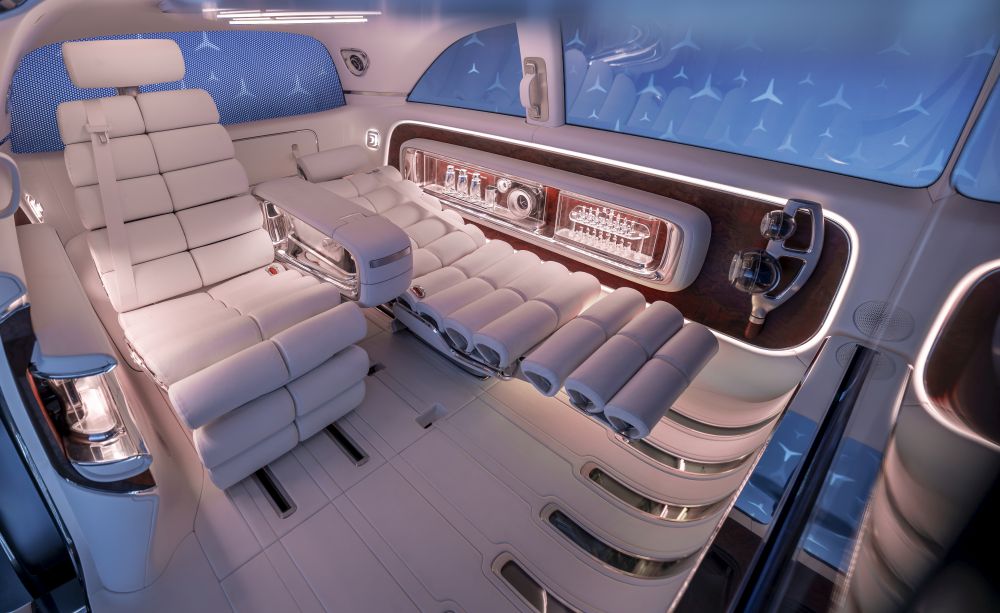
The interior also reflects a shift toward digital control decentralization. Instead of a driver-centric interface, rear passengers are expected to have direct control over comfort, media, and environment through dedicated interfaces, potentially embedded into armrests or personal devices. This redistributes authority inside the vehicle, aligning with chauffeur-driven use where the primary user is not the driver.
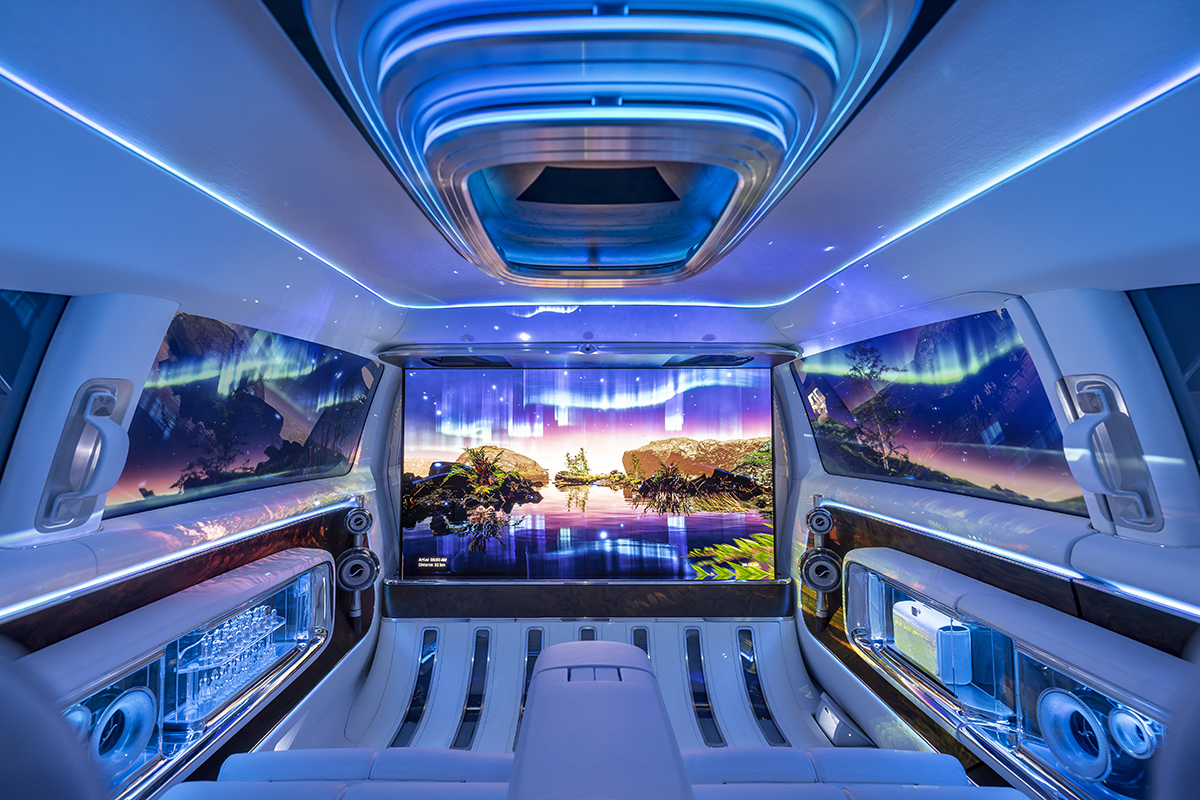
This architecture redefines hierarchy inside the vehicle: the rear becomes the dominant zone, the front becomes functional, and the vehicle itself becomes a platform for sustained comfort rather than transportation. The VLS interior is therefore not an extension of existing Maybach cabins but a scaled, restructured system built around space, isolation, and digital immersion as primary functions.
.png)
Recent Articles
Most Viewed

Advice


Related Articles
-thumb_webp.webp)

-thumb_webp.webp)