Login / Register


News & Reviews
H.E. Sheikha Al Mayassa bint Hamad Al-Thani Tours China's Tech Giants
13 Apr 2026
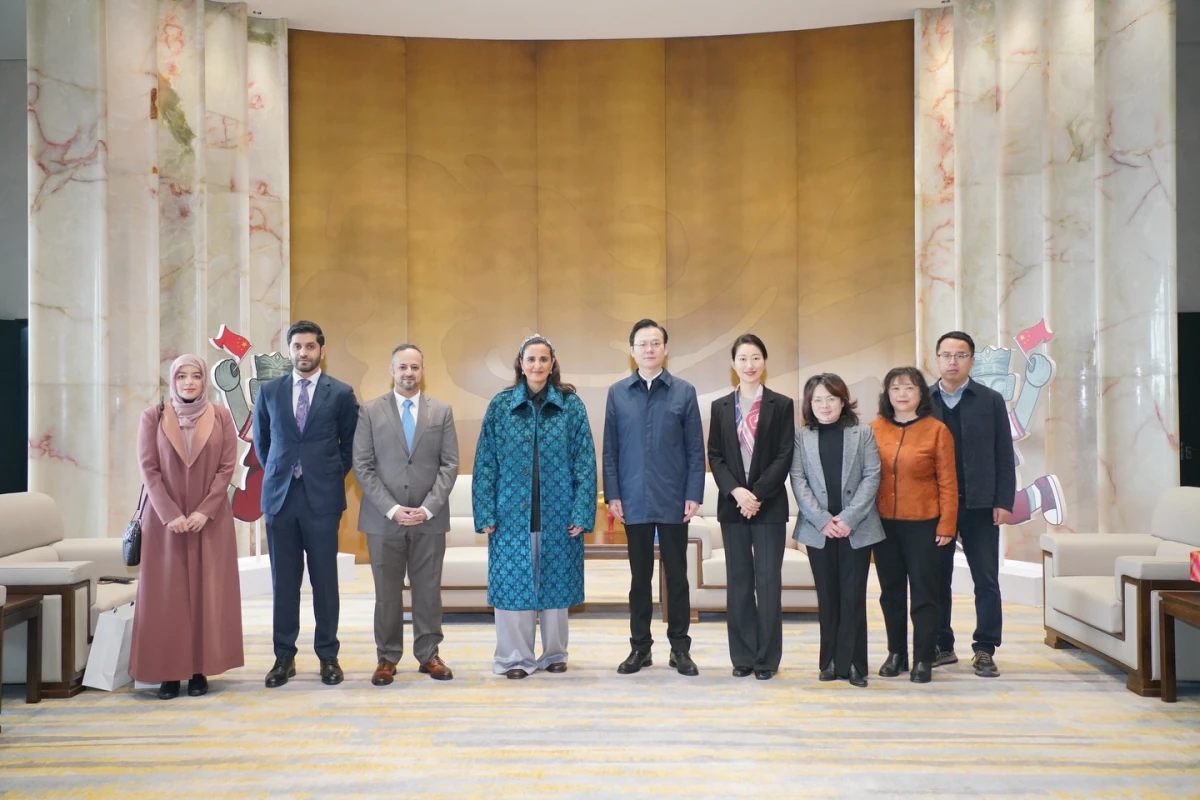
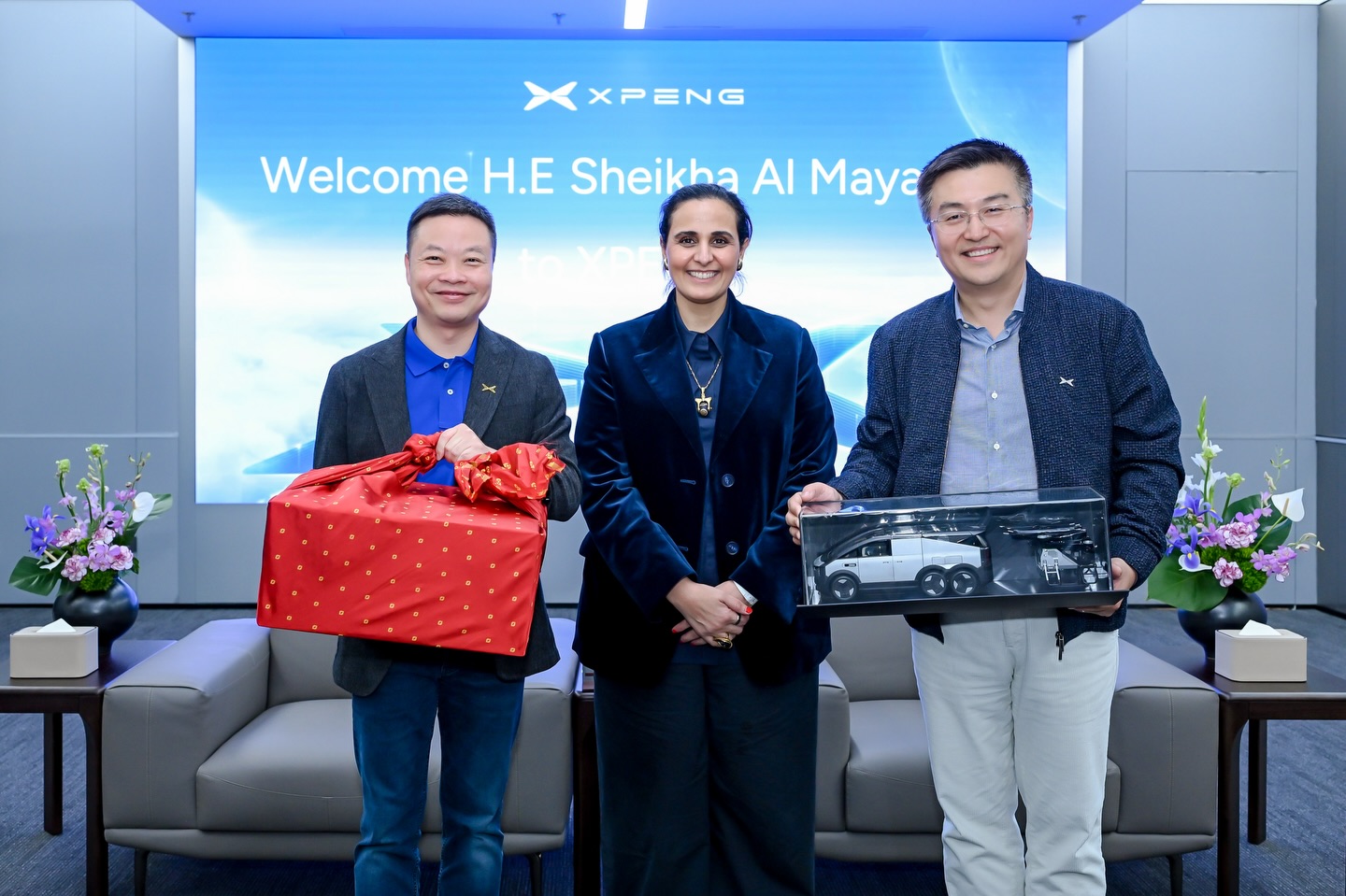
H.E. Sheikha Al Mayassa bint Hamad Al-Thani recently traveled to China to visit several of the country's most prominent technology companies, including a stop at XPeng — one of China's most ambitious players in the electric vehicle and AI space. The trip covered cutting-edge work in artificial intelligence, autonomous vehicles, robotics, and logistics, and it also served as a moment for both sides to talk seriously about deepening ties between Qatar and China across these fast-moving sectors.
It was a visit that made a lot of sense — because the relationship between the two countries has been quietly growing for years, and technology is quickly becoming its next big chapter.
A Stop at XPeng
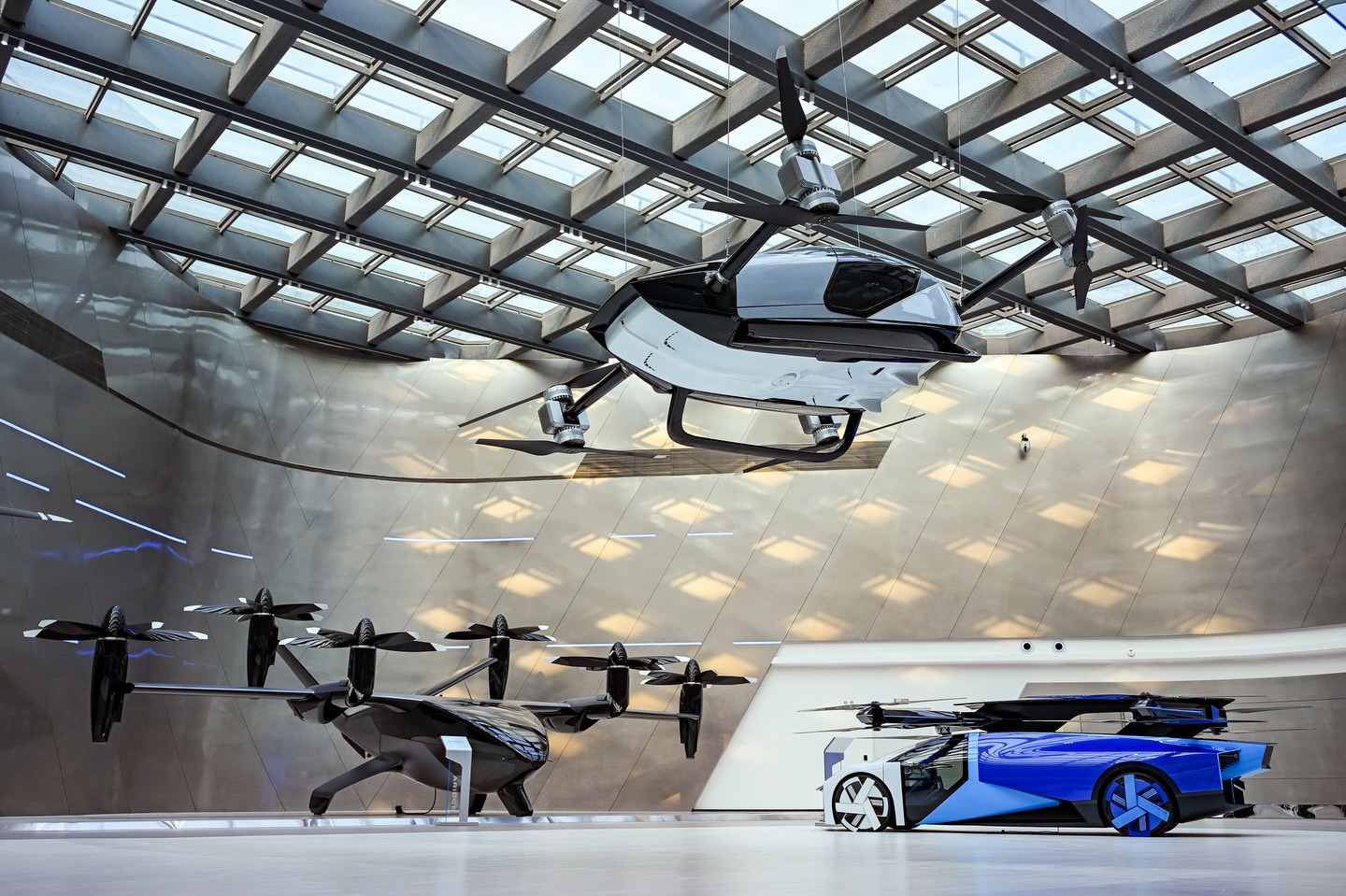
Most people still think of XPeng as a car company, but it has grown into something harder to categorize. At its 2025 AI Day, CEO He Xiaopeng officially repositioned it as "a mobility explorer in the physical AI world", a company now working across electric vehicles, robotaxis, humanoid robots, and flying cars.
The visit carried extra weight given that XPeng had already moved into Qatar. The company recently held its official brand launch in Doha, introducing the G9 and G6 SUVs and showcasing products from its flying car subsidiary. It had also signed with Pioneer Motors, a unit of Qatar's Almana Group, as its exclusive local distributor. Sheikha Al Mayassa wasn't touring a company with distant ambitions — she was meeting one already operating on her home turf.
China Is Already on Qatar's Doorstep
The visit didn't happen in a vacuum. Qatar already has more than 250 Chinese companies established in Doha, and its investment promotion agency, Invest Qatar, has stated that it wants to maintain and grow that pipeline. China is Qatar's largest trading partner, and officials on both sides have made clear they want to turn that commercial relationship into something broader and more technology focused.
According to a report by Invest Qatar and Accenture, Qatar has invested $2.5 billion in data and artificial intelligence, aiming to generate $11 billion for the national economy and create 26,000 jobs through AI. That kind of ambition needs partners — and China, which has spent the better part of a decade building some of the world's most advanced AI and automation capabilities, is an obvious one to call.
What She Saw
The sectors covered in the visit — AI, autonomous vehicles, robotics, and logistics — are exactly the areas where Chinese firms have been making the most noise globally.
On autonomous vehicles alone, China's progress has been striking. Chinese autonomous driving companies like UISEE have already expanded their technology to countries including Qatar, operating in industries ranging from energy to pharmaceuticals, with a fleet of more than 1,000 autonomous vehicles that have collectively covered 5.8 million kilometers.
Closer to home, Pony.ai has already formed a strategic partnership with Qatar's national transport company, Mowasalat, to advance autonomous driving technology in Qatar, with driverless robotaxi commercial operations scheduled to begin in 2026. This means Sheikha Al Mayassa wasn't just window shopping. The groundwork for real partnerships is already being laid.
Qatar's Bigger Game Plan
To understand why Qatar is pursuing these partnerships so actively, you have to understand what the country is trying to build.
Qatar's National Vision 2030 is a strategic framework aimed at transforming the country into an advanced society capable of sustainable development, built on four pillars: human development, social development, economic development, and environmental development. Practically speaking, it's Qatar's plan to stop relying so heavily on oil and gas revenues and build something more durable.
Qatar's third National Development Strategy, launched in January 2024, sets specific targets including a 4% compound annual growth rate in non-hydrocarbon GDP and a 2% annual growth in labor productivity. Technology — especially AI and smart infrastructure — is central to making that happen.
That's why a visit like this carries weight beyond the handshakes and meeting rooms. It's a sign that Qatar's leadership is out looking for the tools, partners, and ideas that can help the country hit those targets.
A Bigger Shift Across the Region
Qatar is not alone in turning toward China's technology industry. The Middle East was the top recipient of China's Belt and Road Initiative investments in 2024, with deals valued at $39 billion — a 102% year-on-year surge. Much of that money has targeted infrastructure and energy, but technology is increasingly part of the picture.
Sheikha Al Mayassa has long been one of Qatar's most internationally active figures. Known primarily for her role as Chairperson of Qatar Museums, she has consistently pushed the idea that culture and technology are not separate tracks. At a major panel discussion in late 2025, she revealed Qatar's "Applied Imagination" initiative, which uses cultural spaces to humanise technology and is developing Arabic-language AI applications and games that feel authentically local.
That kind of thinking — bridging the cultural and the technological — is very much in line with why a visit to Chinese tech companies makes sense as part of her portfolio. The future Qatar is trying to build is one where innovation feels like it belongs to the country, not just borrowed from somewhere else.
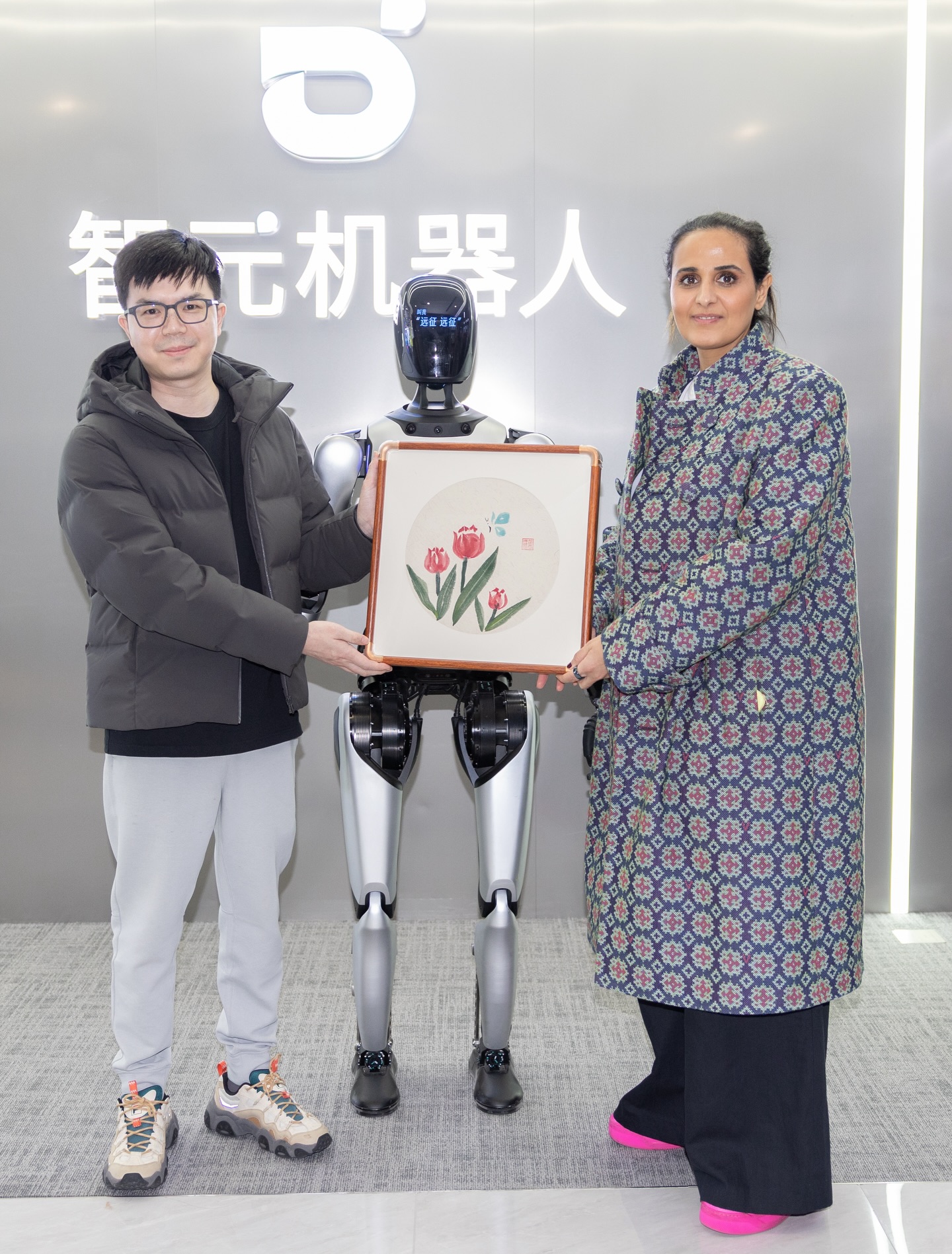
The robots, the self-driving taxis, the flying cars — what Sheikha Al Mayassa saw in China is not some distant future for Qatar. Some of it is already being tested on the streets of Doha. The question now is how fast, and on what terms, it arrives at scale. Visits like this one are how those conversations begin.
Recent Articles
Most Viewed
Advice


Related Articles

-thumb_webp.webp)