
 Login / Register


News & Reviews
-thumb_webp.webp)
Buying a Used Car Without Regret: A Practical Guide to Avoid Costly Mistakes
07 Apr 2026
Buying a used car can be a smart financial decision, but only if you approach it with a clear strategy. Many buyers focus on appearance or price alone, only to face hidden mechanical or legal problems later. This guide breaks down the essential steps you should follow to make a safe and informed purchase.
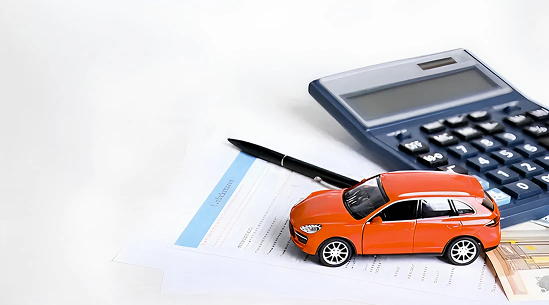
Start with a Realistic Budget
Before you even look at cars, define how much you are truly willing to spend. This should include not only the car’s price, but also insurance, registration, and potential repairs. A clear budget helps you narrow your options and prevents unexpected financial pressure after the purchase.
Do Proper Market Research
Understanding the market is key to avoiding overpaying. Compare similar models, check typical prices, and look at reliability ratings. This gives you a realistic idea of what you should expect and protects you from bad deals.
Check the Car’s History
A vehicle’s history can reveal important details about its condition. Look for accident records, previous owners, and maintenance history. A well-documented car is usually a safer and more reliable choice.
Inspect More Than Just the Exterior
A clean and shiny car can be misleading. Always check the engine, suspension, and chassis. These are the components that determine the real condition of the vehicle, not its paint or polish.
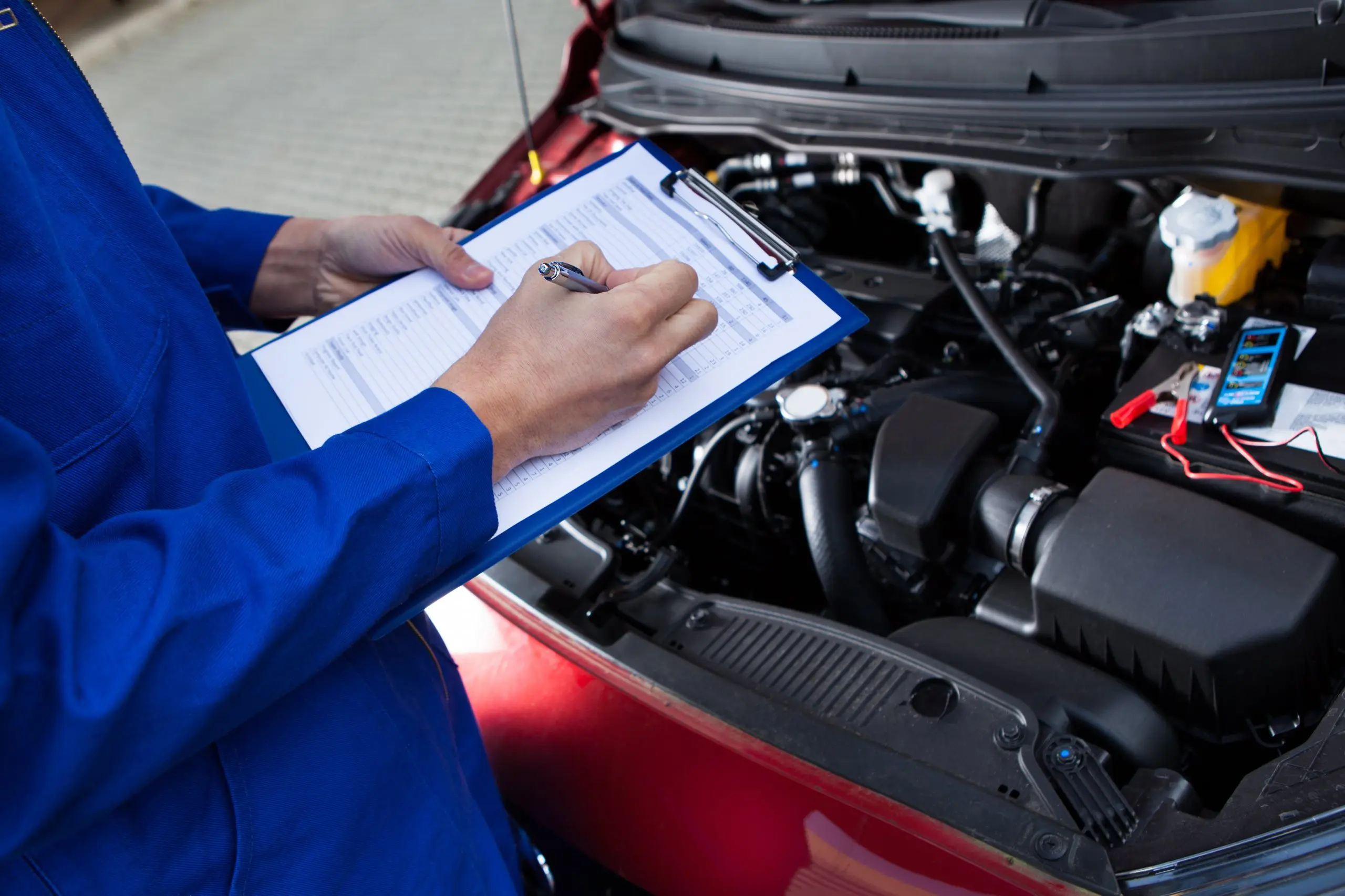
Always Get a Professional Inspection
Even if the car looks perfect, a professional mechanic can detect hidden issues. This step is essential to avoid expensive repairs later. A small inspection cost can save you from major losses.
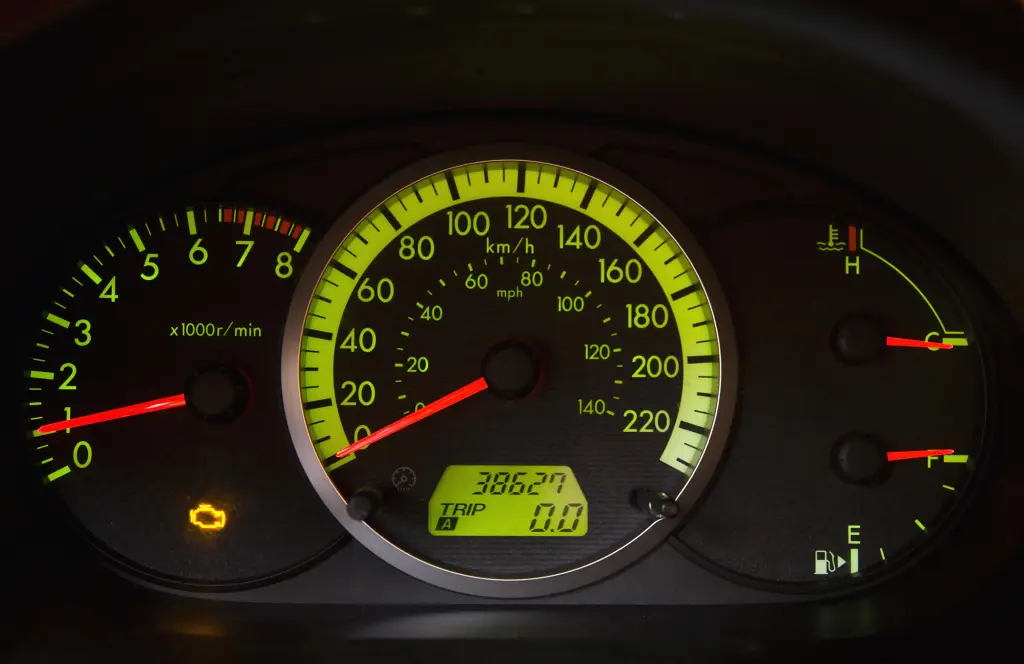
Pay Attention to the Mileage
Mileage gives insight into how much the car has been used. Be cautious if the mileage seems unusually low or does not match the wear inside the car. This could indicate tampering or misuse.
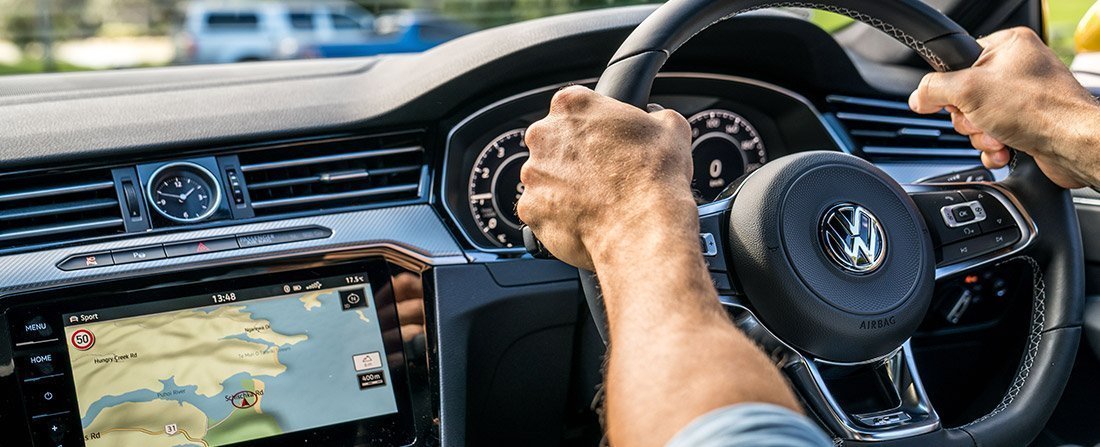
Take a Test Drive Seriously
Driving the car is one of the most important steps. Pay attention to how the engine responds, how the brakes perform, and whether there are any unusual sounds. A test drive often reveals issues that are not visible during inspection.
Negotiate the Price Confidently
Used car prices are rarely fixed. If you notice any issues during inspection, use them as leverage to negotiate. Being informed gives you an advantage and can significantly reduce the final price.
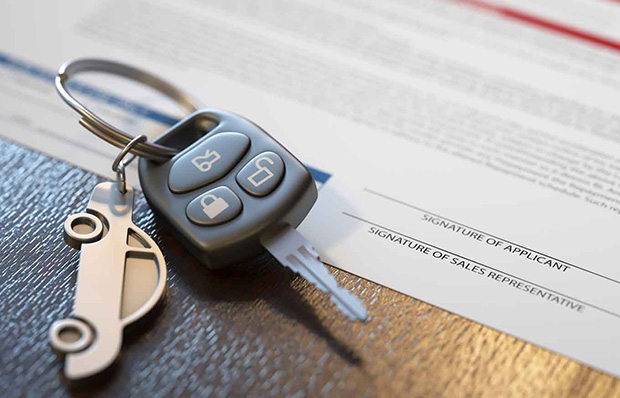
Verify All Legal Documents
Before making any payment, ensure all documents are in order. Check the vehicle identification number (VIN), confirm there are no fines or debts, and carefully review the contract. Legal verification protects you from future problems.
Recent Articles
Most Viewed



Advice


Related Articles

-thumb_webp.webp)
-thumb_webp.webp)
.webp)