
 Login / Register


News & Reviews

Why Your Steering Wheel Vibrates While Driving
31 May 2026
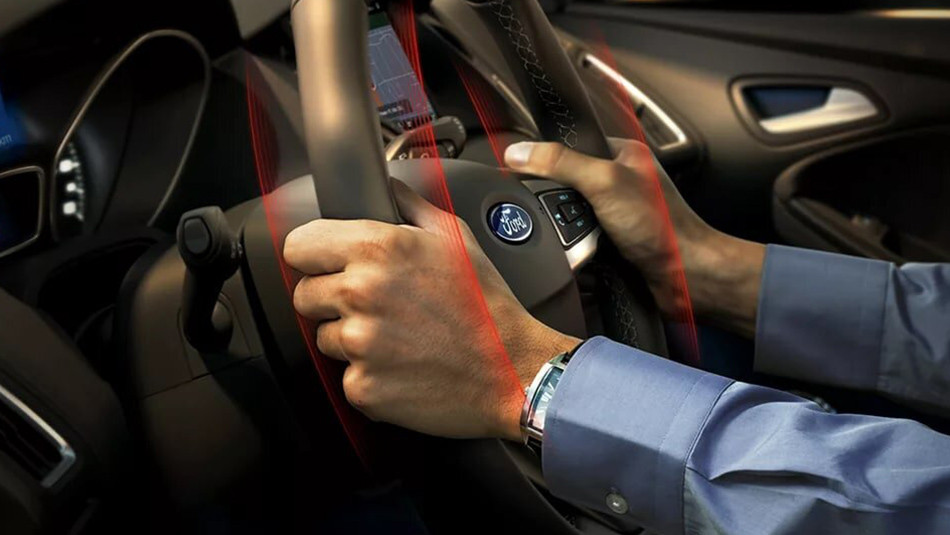
A vibrating steering wheel is more than just an annoying feeling behind the wheel. In many cases, it is your car’s way of warning you that something is wrong. Sometimes the issue is minor, like unbalanced tires, but in other situations it could point to worn suspension parts, damaged brakes, or drivetrain problems that should not be ignored.
Understanding when the vibration happens is the first step toward identifying the cause.
Vibrations at Highway Speeds
If the steering wheel starts shaking mostly at higher speeds, especially between 80 and 120 km/h, the most common cause is tire imbalance. Tires and wheels need to spin evenly, and even a small imbalance can create noticeable vibrations once speed increases.
Damaged wheels, uneven tire wear, or tires with internal defects can create similar symptoms. Hitting potholes or curbs can also bend a wheel slightly, which may not be visible immediately but can still affect driving smoothness.
Wheel alignment can also contribute to vibration. Misaligned wheels place uneven pressure on the tires, leading to irregular wear and instability on the road.
Vibrations While Braking
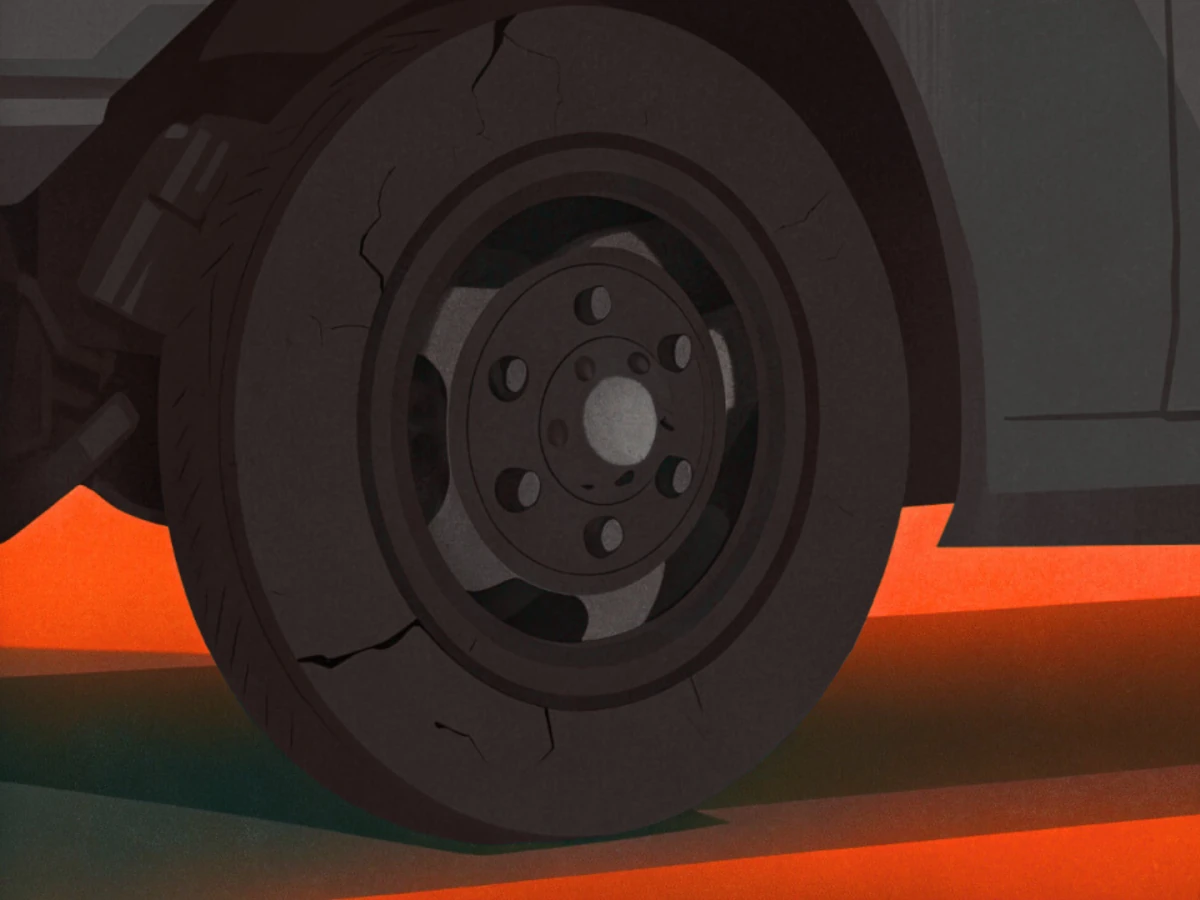
If the steering wheel shakes mainly when you press the brake pedal, the issue is often related to the brake system. Warped brake rotors are one of the most common causes. Over time, excessive heat from hard braking can create uneven rotor surfaces, causing the steering wheel to pulse or vibrate during braking.
Worn brake pads or sticking brake calipers can also create uneven braking force. Ignoring these symptoms may reduce braking performance and increase stopping distance.
Vibrations During Acceleration
A steering wheel that vibrates while accelerating may indicate drivetrain or suspension issues. Worn CV joints, damaged engine mounts, or failing axle components can transfer vibrations into the cabin and steering system.
In some vehicles, worn suspension bushings or ball joints can also cause shaking under load, especially during strong acceleration or when climbing hills.
Vibrations at Low Speeds
If the vibration appears even at low speeds, inspect the tires carefully. A tire with a bulge, separated internal layers, or severe uneven wear can cause shaking at nearly any speed.
Mud or debris stuck inside the wheel can also throw off balance temporarily. This is common after driving through dirt roads or heavy rain.
When You Should Not Ignore It
Steering wheel vibrations should never be ignored if they become stronger over time, appear suddenly, or are combined with noises, pulling, or poor braking feel. These signs may indicate safety-related issues that could worsen quickly.
Continuing to drive with worn suspension or brake components may also damage other parts of the vehicle, leading to more expensive repairs later.
How to Prevent Steering Wheel Vibrations
Regular tire balancing and wheel alignment help prevent many vibration-related problems. Keeping tires properly inflated also reduces uneven wear and improves stability.
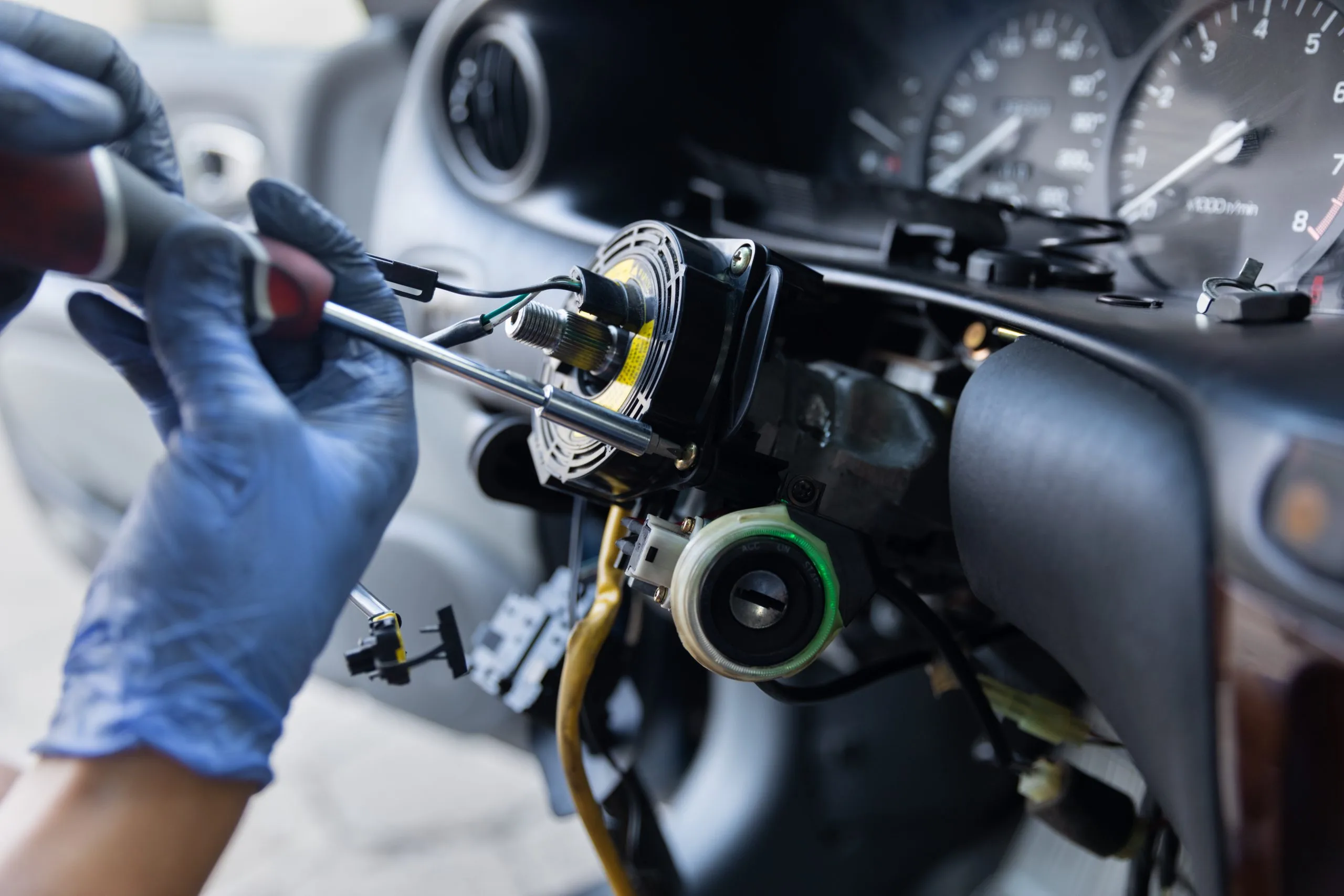
Brake components should be inspected periodically, especially if you drive in hot weather or in stop-and-go traffic frequently. Suspension parts should also be checked during routine maintenance, particularly on high-mileage vehicles.
Final Thoughts
A vibrating steering wheel is usually a warning sign rather than a random annoyance. Paying attention to when the vibration happens can help identify the source quickly, whether it is tire-related, brake-related, or caused by worn suspension and drivetrain components.
Fixing the problem early not only improves comfort but also keeps the car safer and prevents larger repair bills in the future.
Recent Articles
Most Viewed



Advice


Related Articles
-thumb_webp.webp)

-thumb_webp.webp)
-thumb_webp.webp)
-thumb_webp.webp)