
 Login / Register


News & Reviews
-thumb_webp.webp)
Remember BlackBerry? How it became the ghost behind smart cars
06 May 2026
For many people, BlackBerry is a brand frozen in time—keyboards, business phones, and a dramatic fall from the smartphone throne. But that narrative is outdated. By the end of 2025, the number of vehicles using the QNX system reached 275 million, compared to 100 million in 2020
From Smartphones to Safety Systems
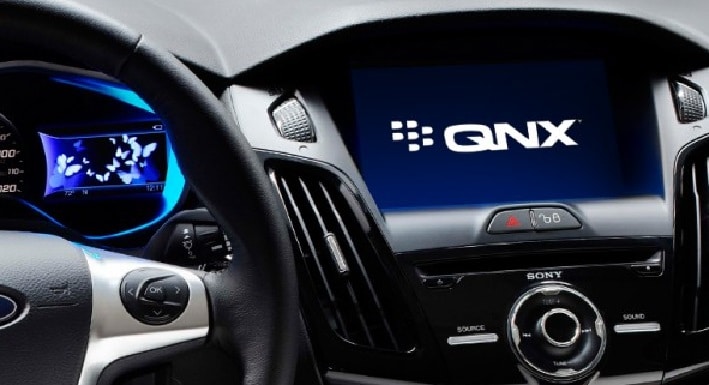
BlackBerry officially stepped away from making its own smartphones years ago and pivoted into software, cybersecurity, and embedded systems. That shift is now paying off.
At the center of this comeback is QNX, a real-time operating system designed for mission-critical environments. Unlike typical consumer software, QNX is built to be deterministic, secure, and extremely reliable—qualities that are essential when human safety is involved.
Today, BlackBerry isn’t competing with phone makers anymore—it’s working directly with automakers and technology partners to power the systems drivers depend on every day.
The Invisible System Powering Your Car
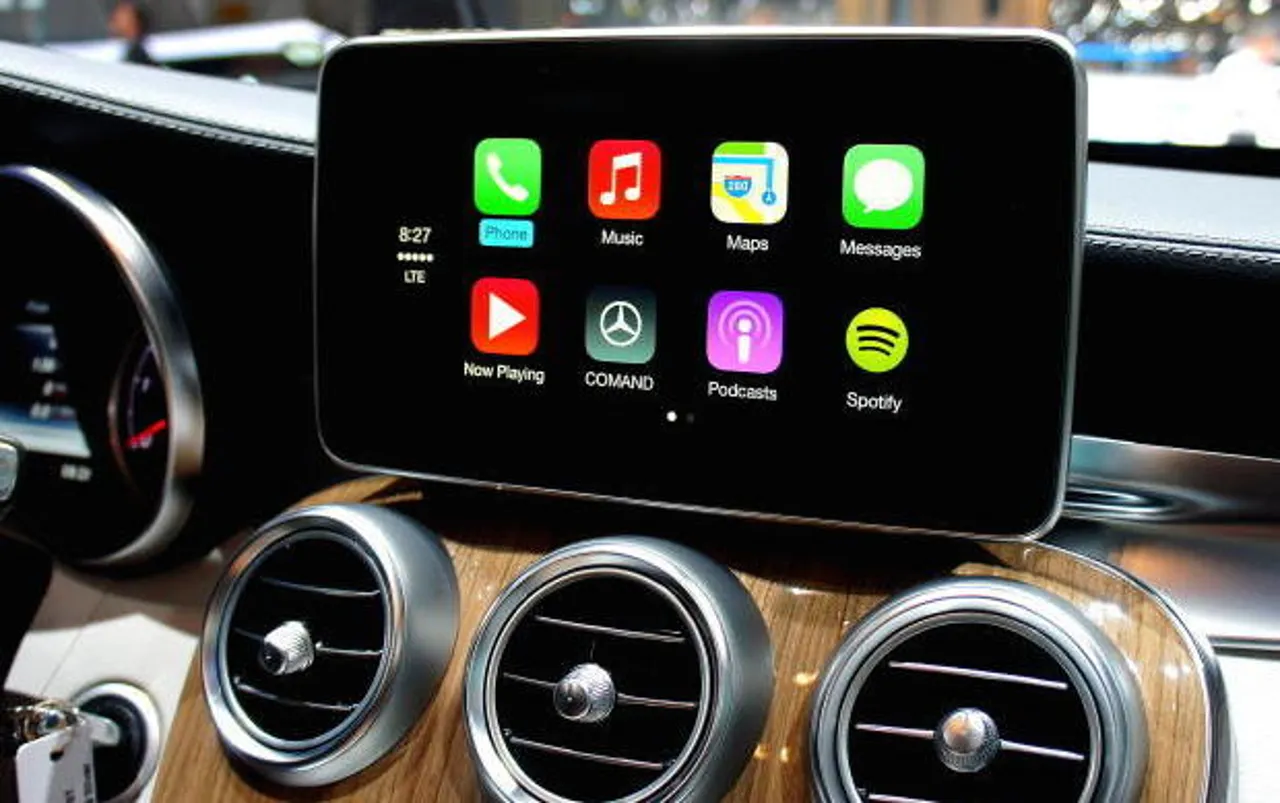
Modern vehicles are no longer just mechanical machines—they are “computers on wheels.” Advanced driver-assistance systems, braking control, steering systems, and sensor fusion all depend on software that must operate without failure.
That’s where QNX dominates. It is already embedded in hundreds of millions of vehicles worldwide and supports critical functions like lane-keeping, adaptive cruise control, and collision avoidance. Unlike infotainment systems that drivers interact with, QNX operates deeper in the vehicle architecture, forming part of the safety-critical backbone.
Why Automakers Trust BlackBerry
Car manufacturers don’t choose software lightly. A failure in a phone app is inconvenient, but a failure in a braking system can have life-threatening consequences.
QNX is built on a microkernel architecture, which isolates system components so that a fault in one area does not crash the entire system. It also complies with strict automotive safety standards such as ISO 26262 ASIL D, making it suitable for the most critical vehicle functions.
This level of reliability has made it a preferred platform for next-generation vehicles, particularly as the industry moves toward software-defined cars and higher levels of driving automation.
A Strategic Shift That Paid Off
BlackBerry’s transformation wasn’t accidental—it was a response to a rapidly changing tech landscape.
As companies like Android Automotive began taking over infotainment systems, BlackBerry avoided direct competition and instead focused on the layers of software that matter most but remain invisible to users. That decision positioned QNX as a core component in automotive safety systems and allowed the company to rebuild its business around high-value, long-term partnerships.
Today, that strategy is paying off, with sustained demand for QNX across global automotive programs and continued integration into new vehicle platforms.
Expanding Beyond Cars

While automotive remains the centerpiece of BlackBerry’s resurgence, the same technology is also being applied in other high-risk industries. QNX is now used in certain medical devices and aerospace systems, where software stability and real-time performance are critical. These sectors require the same level of reliability as automotive safety systems, making them a natural extension of BlackBerry’s focus.
Back in the Game
BlackBerry didn’t return by reviving its phones—it redefined its purpose.
Its software now runs silently in the background of vehicles, medical systems, and aerospace platforms, enabling technologies that people rely on without ever noticing. As industries continue to move toward automation and software-defined infrastructure, that invisible layer becomes more valuable.
BlackBerry is no longer the brand in your pocket.
It’s the one helping keep you safe in places where it matters most.
Recent Articles
Most Viewed



Advice


Related Articles
-thumb_webp.webp)
