
 Login / Register


News & Reviews
-thumb.jpg)
GCC Specs Explained: The Complete Guide (2025 Update)
14 Aug 2025
In early 2025, several GCC countries — including Qatar — announced tighter enforcement on vehicle specifications, with a ban on the sale and promotion of cars that do not meet Gulf Standard Specifications. This move has made understanding GCC specs more important than ever for car buyers, dealers, and importers in the region.
What Are GCC Specs?
GCC specifications (Gulf Cooperation Council specifications) refer to modifications and features built into vehicles to withstand the extreme heat, sand, humidity, and road conditions in the six GCC member countries:
GCC Countries
- United Arab Emirates (UAE)
- Saudi Arabia
- Qatar
- Kuwait
- Oman
- Bahrain
GCC-spec cars may look identical to US, European, or Japanese imports, but their engineering and materials are adapted for:
- 50°C+ summer temperatures.
- Frequent sandstorms and dust.
- High coastal humidity.
Key Differences Between GCC and Non-GCC Specs
| Feature | GCC Specs | US Specs | European Specs |
| Air Conditioning | Enhanced for extreme heat, rapid cooling. | Standard cooling. | Optimized for cooler climates. |
| Dust & Sand Filtration | Dual-stage, advanced filters. | Standard filtration. | Standard filtration. |
| Rust Protection | Corrosion-resistant coatings & materials. | Limited protection. | Some coastal protection. |
| Engine Cooling | Larger radiators, higher CCA batteries. | Standard radiators. | Standard radiators. |
| Suspension & Tires | Heat-resistant, stronger suspension. | General purpose. | Suited for European roads. |
| Warranty | Valid in all GCC countries. | Not valid locally without modifications. | Not valid locally without modifications. |
Main GCC-Specific Vehicle Features
Superior Air Conditioning
- Designed for 50°C+ temperatures.
- Faster cabin cooling.
- Often includes multi-zone climate control.
Enhanced Dust & Sand Filtration
- Dual-stage engine filters.
- Cabin air filters for sandstorm conditions.
- Prevents dust clogging & improves air quality inside.
Corrosion Protection
- Protective coatings for coastal humidity.
- Extended corrosion warranties (often 5+ years).
Upgraded Engine Cooling
- 30% larger radiators than EU models.
- More efficient cooling fans.
- Larger capacity batteries (e.g., 950 CCA).
Suspension & Tires
- Heat-resistant rubber compounds.
- Stronger suspension for mixed terrain (city, desert).
UV-Resistant Window Tint
- Often factory-installed.
- Reduces heat build-up & blocks harmful UV rays.
How to Identify a GCC Spec Car (2025 Methods)
| Method | Details |
| VIN Check | The 17-digit VIN can indicate GCC origin. Some GCC models have specific letters/numbers (e.g., 7th digit "H"). Always confirm with manufacturer or official database. |
| GCC Certification Labels | Look for Arabic-language labels: GCC Homologation sticker (driver’s door jamb), tire pressure chart (fuel filler door), AC rating (glove compartment). |
| Arabic Inscriptions | Found on side mirrors, chassis plate, or other visible locations. |
| Chassis Plate | Arabic text + vehicle details, often on door frame. |
| Invoice | Dealer paperwork should state "GCC Specifications" or equivalent. |
| Warranty Validation | Valid manufacturer warranty across GCC; includes Arabic manual, corrosion warranty, and sometimes sandstorm coverage. |
Risks of Buying Non-GCC Vehicles
Buying a non-GCC-spec vehicle can cause costly problems in the Gulf’s extreme conditions. Engines are 42% more likely to overheat because of inadequate cooling systems, and AC compressors often fail up to 18 months earlier than in GCC-spec cars.
These vehicles also lack proper corrosion-resistant coatings, making them more vulnerable to rust, especially in coastal areas. Maintenance can be slower and more expensive, with parts taking 60% longer to source and warranties often being void in the region.
Finally, non-GCC cars tend to hold less value, selling for an average of 25% less than their GCC-compliant counterparts.
Note: Modifying a non-GCC car (larger radiator, better filters) will not make it officially GCC spec.
Why Choose GCC Specs?
- Reliability in harsh conditions.
- Lower maintenance costs (parts & service widely available).
- Better resale value (25% higher on average).
- Valid GCC-wide warranty.
Popular GCC-Spec Cars in the Market
These models are proven performers in GCC conditions:
1 Toyota Land Cruiser
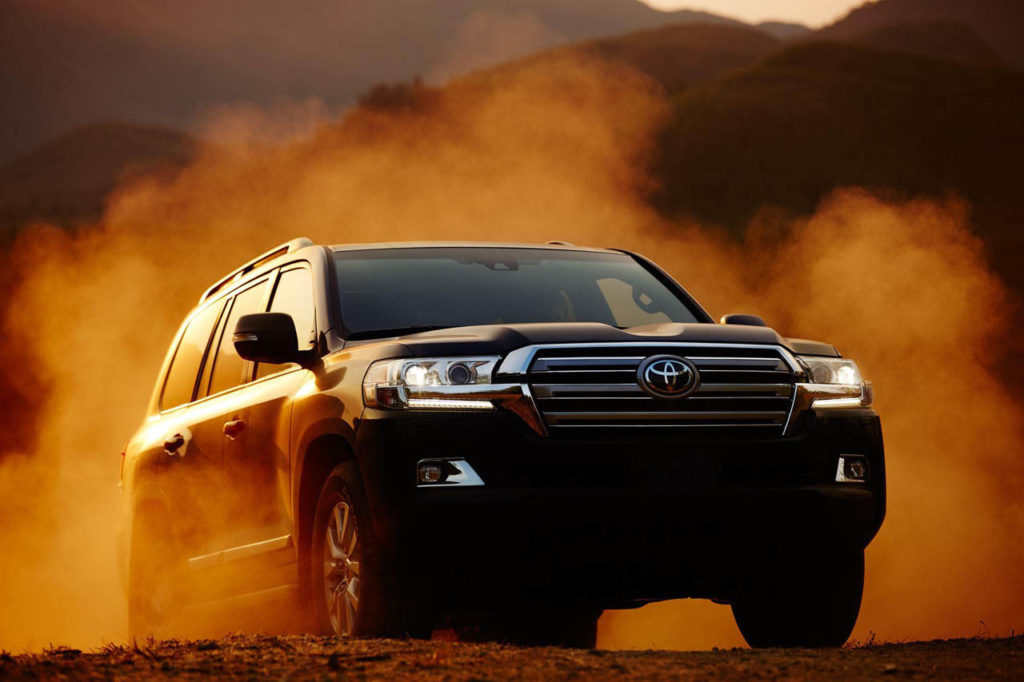
Heavy-duty suspension, superior cooling.
2 Nissan Patrol
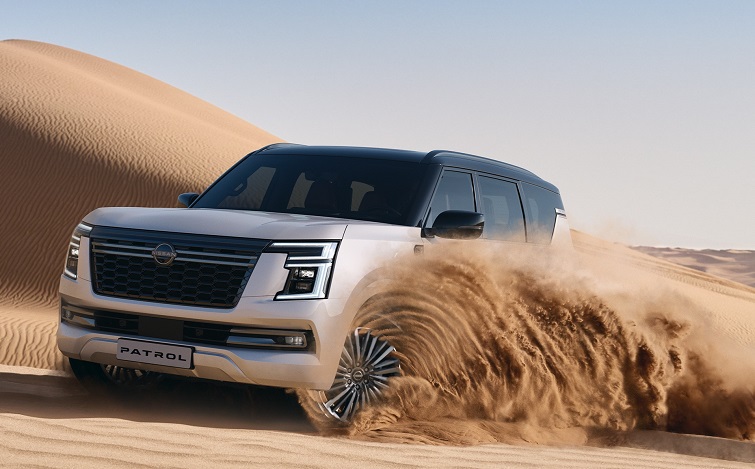
Advanced filtration, heat-resistant tires.
3 Toyota Corolla
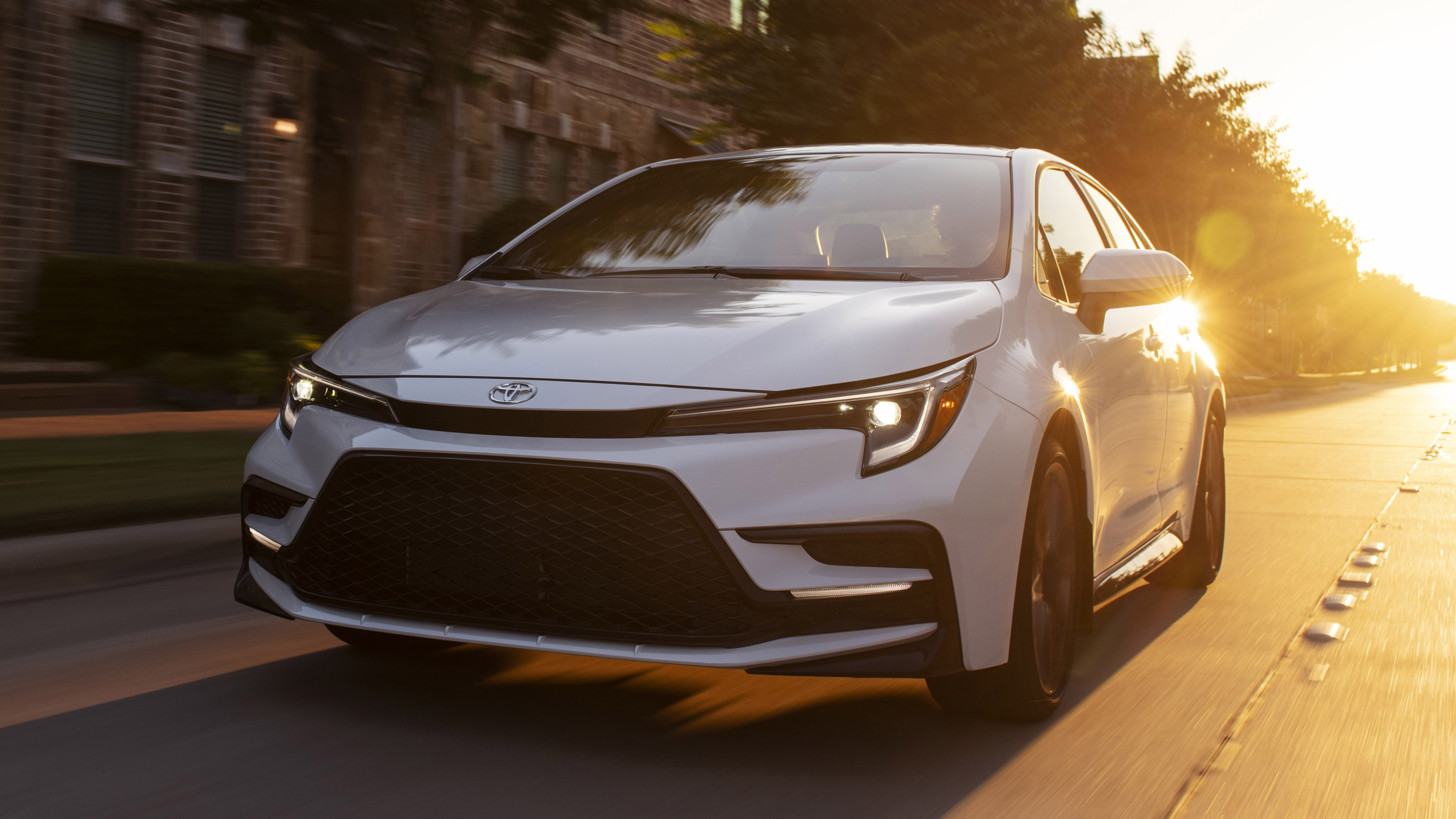
Affordable, corrosion-protected body.
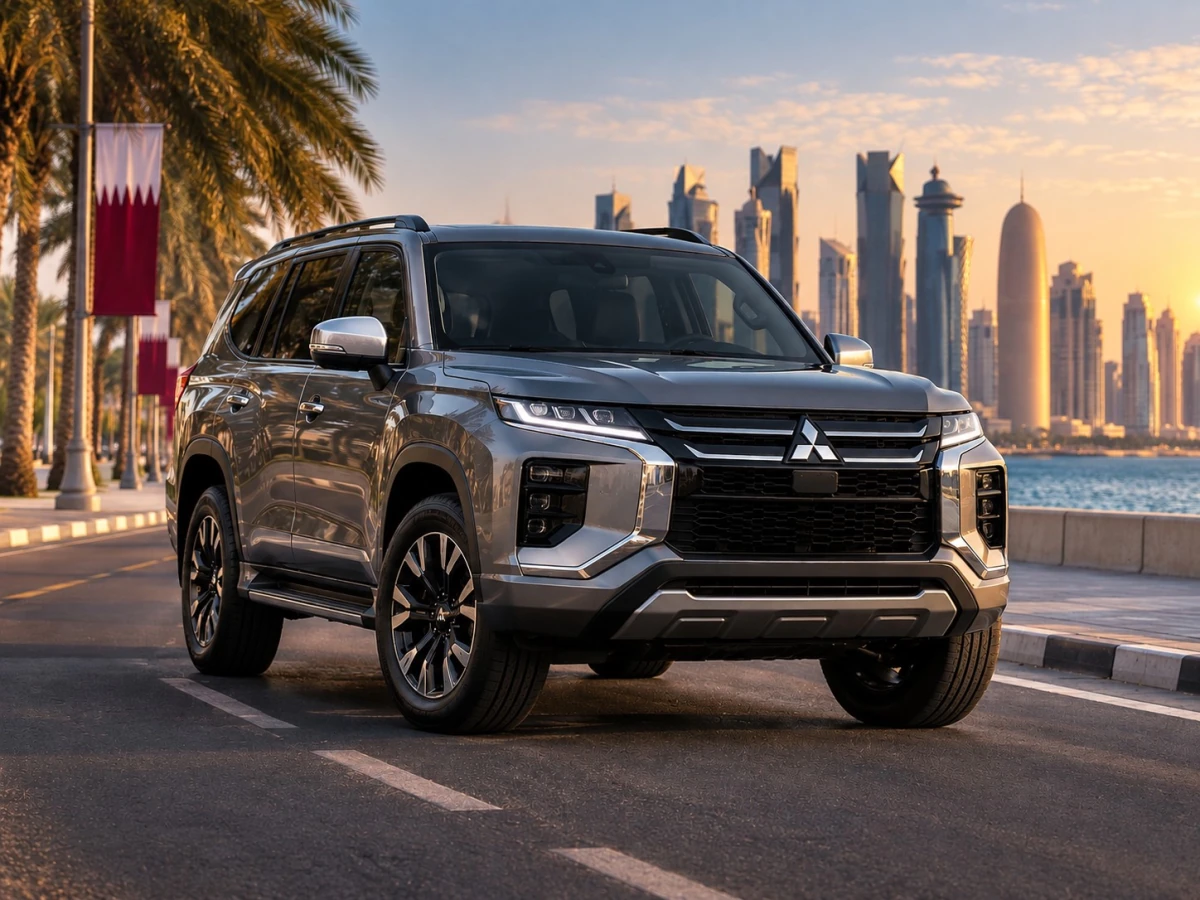
4 Mitsubishi Pajero
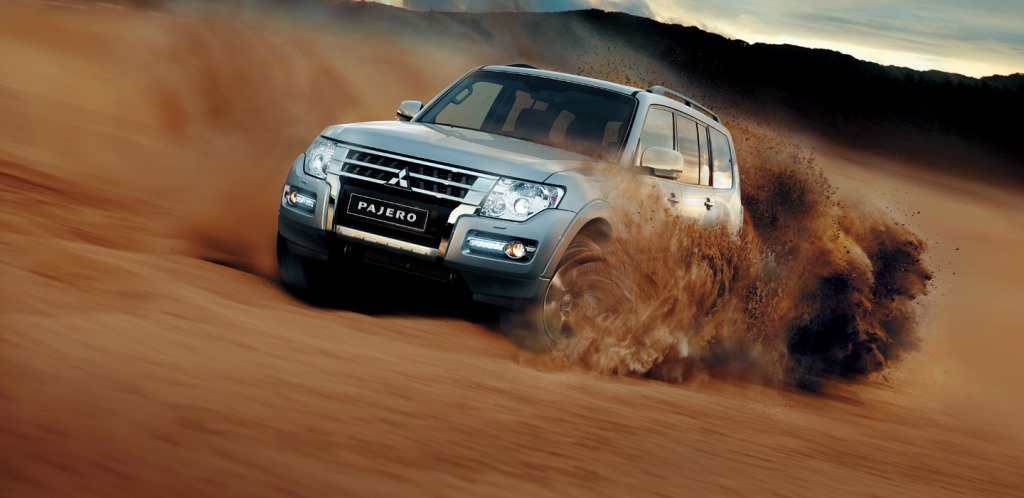
Larger radiator, desert-ready suspension.
5 Lexus LX600
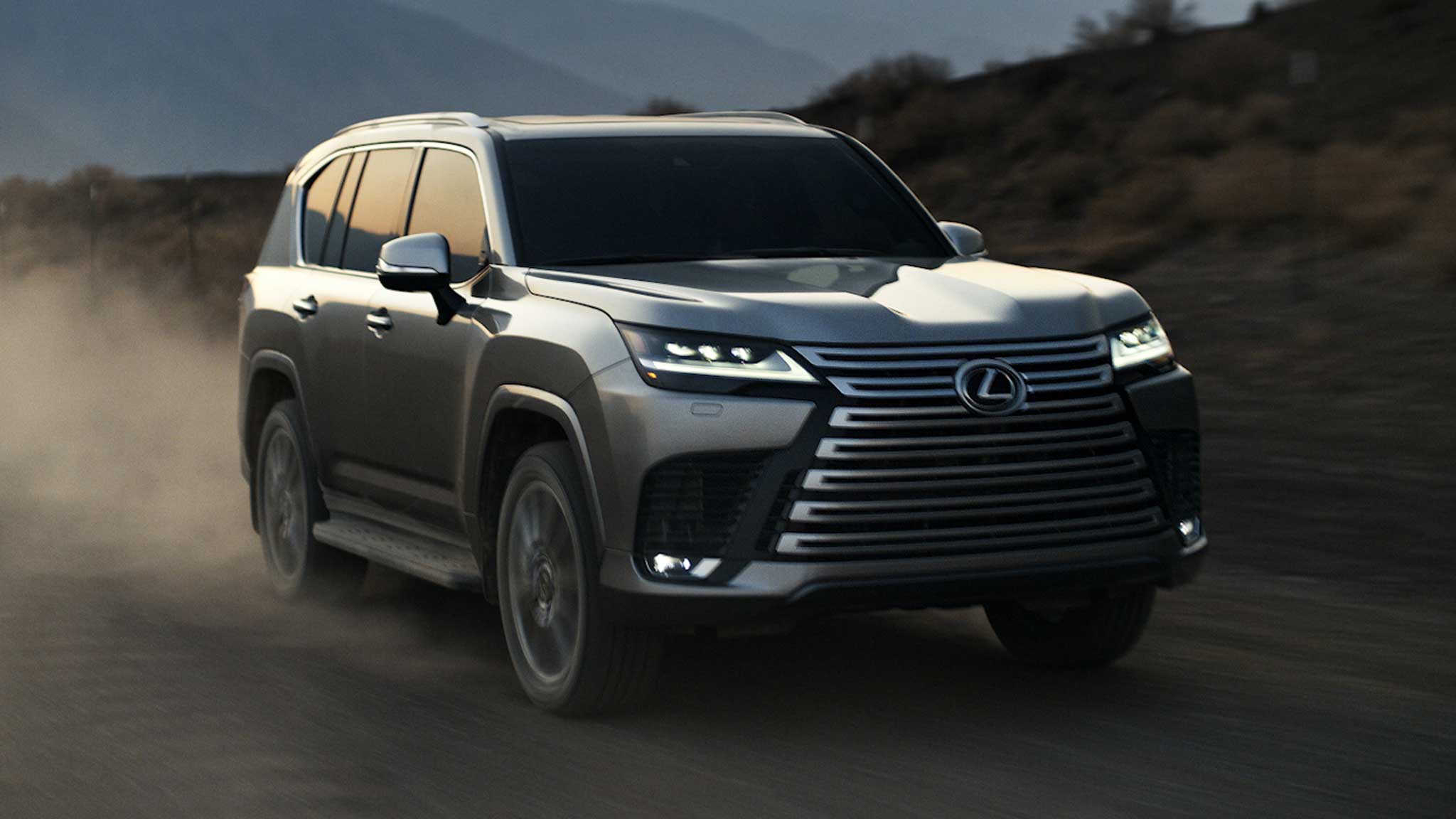
Luxury climate control, reinforced body.
Quick GCC Specs Checklist for Buyers
Before purchasing a vehicle in Qatar or any GCC country:
☑ Check VIN & certification labels.
☑ Look for Arabic inscriptions on mirrors/chassis.
☑ Confirm invoice mentions GCC specs.
☑ Verify warranty coverage for GCC.
☑ Inspect radiator, AC system, and filters.
☑ Ensure factory UV tint is present.
With the 2025 ban on selling and promoting non-GCC-spec cars, verifying a vehicle’s compliance is now essential. GCC-spec cars are not just a marketing term — they are engineered solutions for the Gulf’s heat, humidity, and sand. Choosing one ensures better performance, lower costs, and higher resale value.
📌 Pro Tip for Buyers
Always request the GCC Certificate of Conformity when buying new or used. This is the most reliable proof of compliance.
Recent Articles
Most Viewed
Advice

