
 Login / Register


News & Reviews
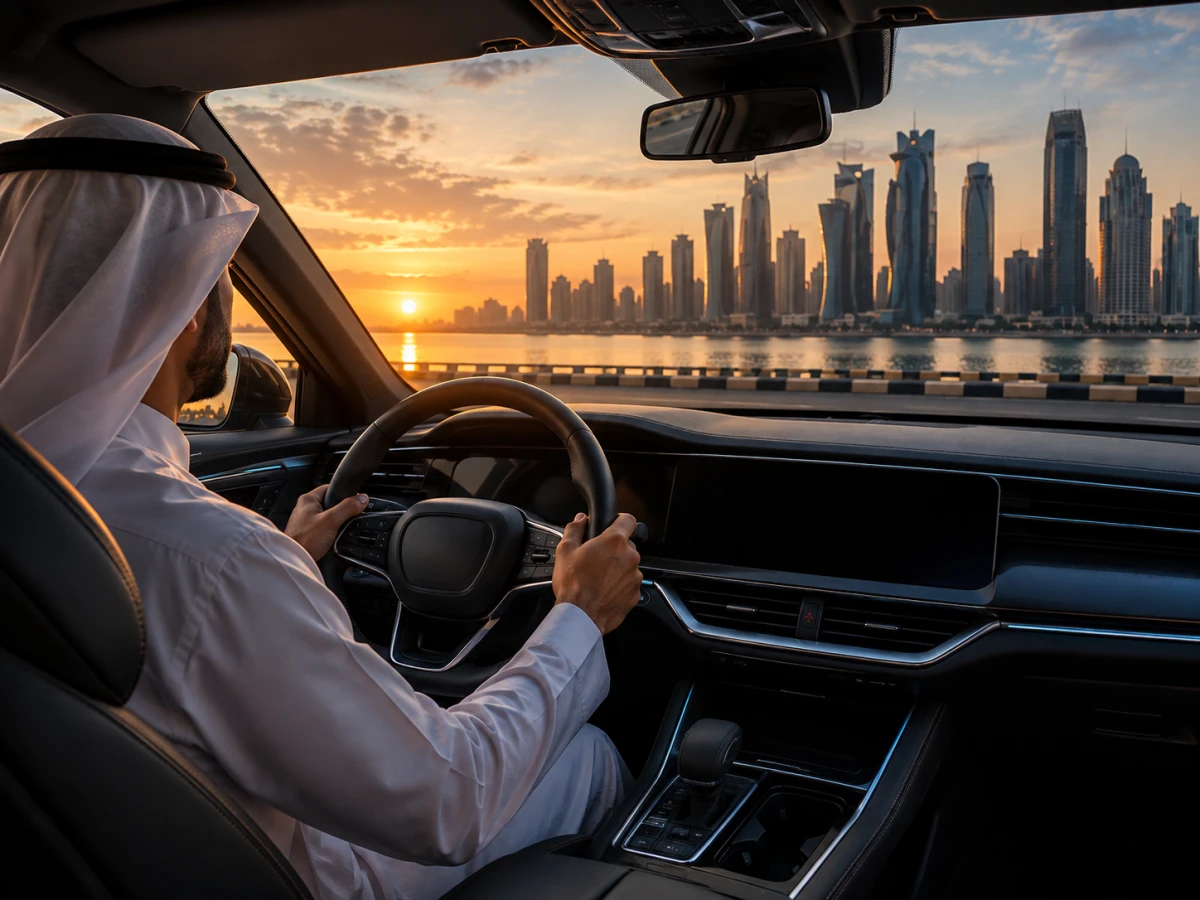
AI Is Coming to Your Car — Here’s What It Will Actually Do
25 Aug 2026
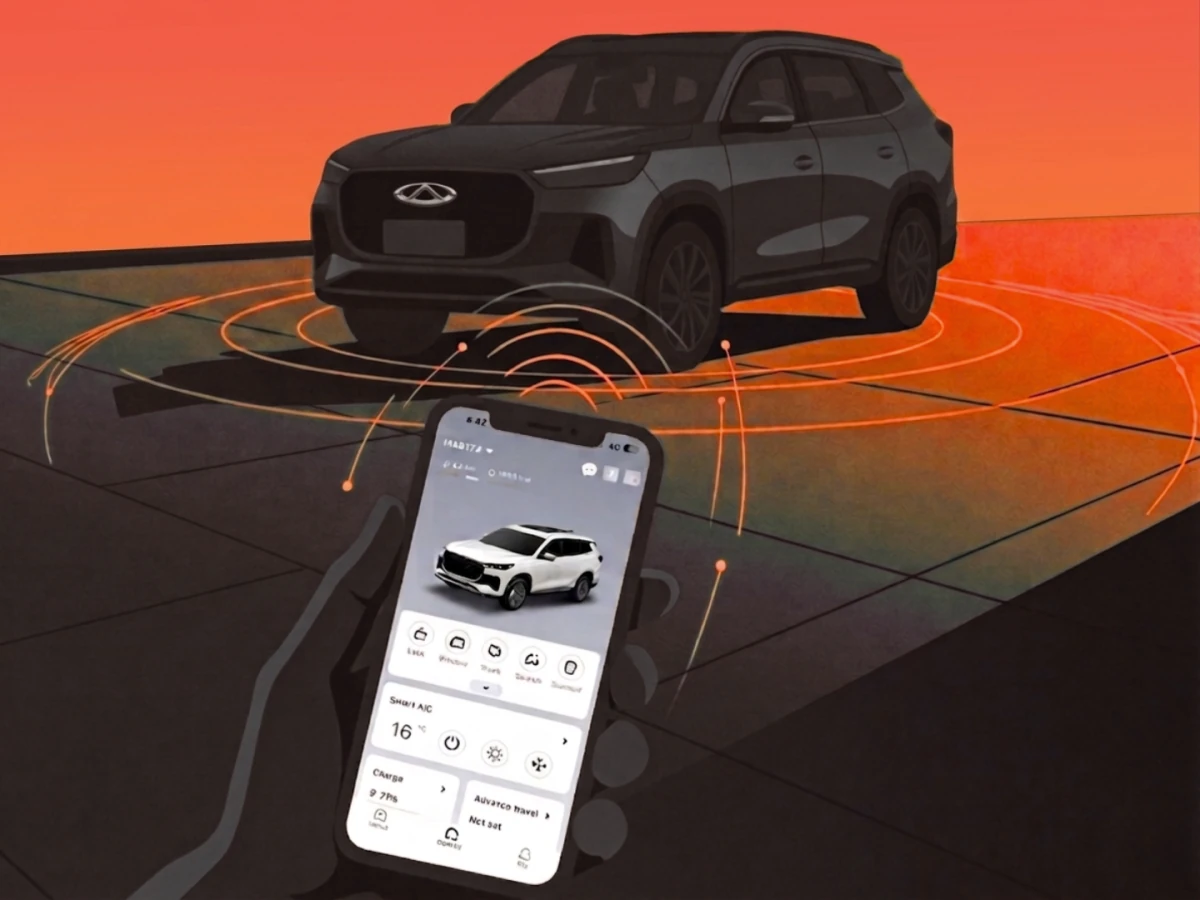
Artificial intelligence is no longer something we only associate with smartphones and chatbots. It is rapidly becoming part of the driving experience, changing how cars understand their surroundings, communicate with drivers and even predict what a vehicle may need.
The automotive industry is moving toward what is increasingly being called the “AI-defined vehicle”—cars where software and artificial intelligence play a central role alongside traditional mechanical components.
Your car will understand you
One of the most visible changes will be the arrival of smarter in-car assistants. Instead of relying on fixed voice commands, future systems will allow drivers to speak naturally and ask questions, control functions and receive personalized assistance.
Ford, for example, has already introduced an AI assistant that can access vehicle information such as fuel and tyre levels, estimate fuel requirements and answer questions about towing. A voice-enabled version is planned for in-car use.
Safer driving
AI is also transforming driver-assistance systems. Cameras, radar and other sensors can work together with AI to identify vehicles, pedestrians, road markings and potential hazards. The technology can then assist with braking, lane keeping, parking and other driving tasks.
The industry is also moving toward more advanced autonomous-driving systems, with companies developing AI platforms capable of supporting everything from advanced driver assistance to Level 4 autonomous vehicles.
Your car could predict problems
Perhaps one of the most useful applications will happen before you even notice a problem. AI can analyze vehicle data to identify unusual behavior and potentially predict maintenance requirements.
Industry research indicates that smart diagnostics and predictive maintenance are among the leading priorities for automotive AI, showing that AI is not only about self-driving cars—it can also help keep your vehicle healthier.
Cars that keep getting better
The biggest change may be that buying a car will no longer mean buying a completely finished product. Software-defined vehicles can receive over-the-air updates, allowing manufacturers to improve functions, add features and personalize the driving experience after the car has left the showroom.
So, will AI completely replace the driver tomorrow? Probably not. But the next generation of cars is likely to be more connected, more personalized and considerably smarter than today's vehicles.
The future of the car isn't just electric. It's intelligent.
Recent Articles
Most Viewed
Advice


Related Articles
-thumb_webp.webp)


-thumb_webp.webp)