
 Login / Register


News & Reviews
-thumb_webp.webp)
Manual vs Automatic Car Wash: What Really Makes the Difference?
05 May 2026
Keeping a car clean goes beyond appearance—it directly affects paint longevity, resale value, and overall condition. While the choice between manual and automatic car washes may seem simple, each method operates differently and delivers distinct results depending on how—and how often—you clean your vehicle.
Understanding the Basics
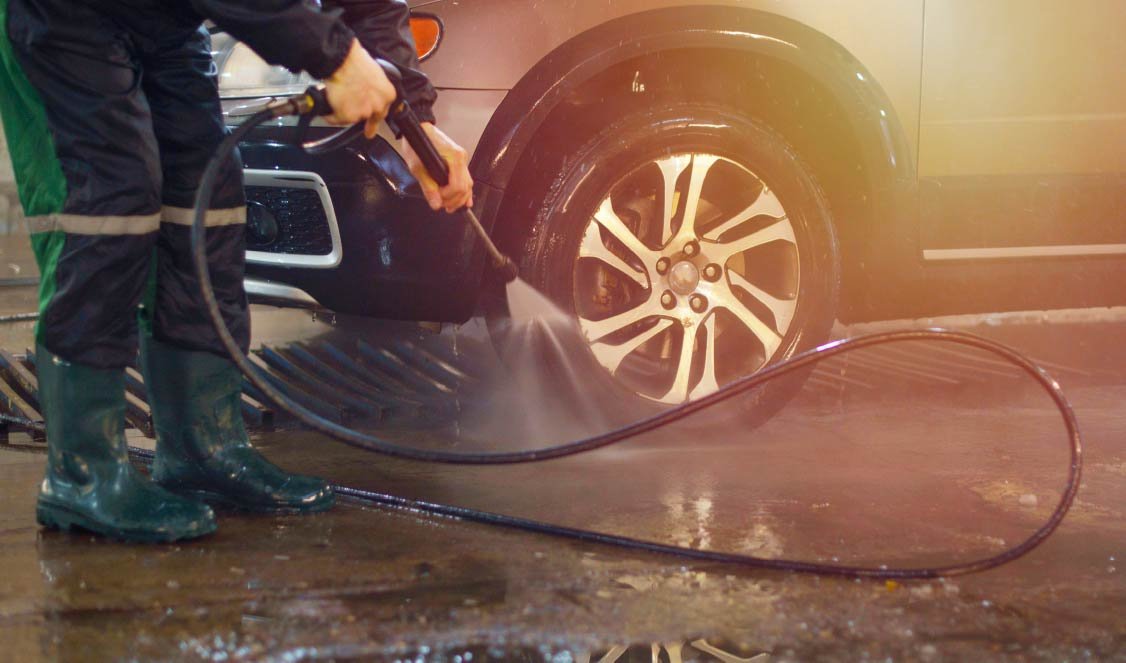
A manual car wash relies on human effort. Whether done at home or by professionals, it involves hand tools like microfiber cloths, sponges, buckets, and specialized cleaning products. Every part of the vehicle is treated individually, allowing for a more tailored cleaning process.
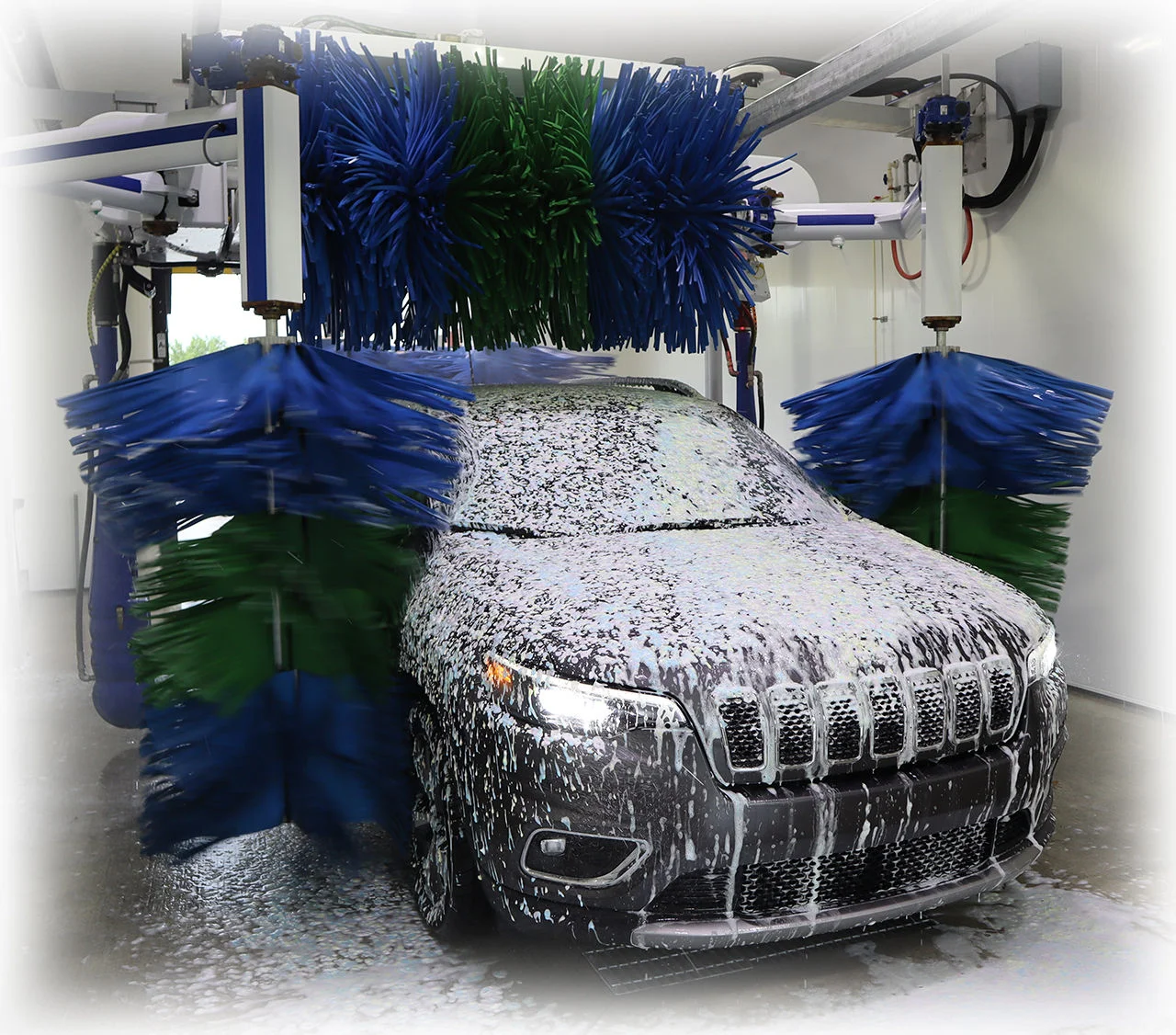
An automatic car wash, by contrast, is machine-driven. The vehicle passes through a system that uses rotating brushes, soft cloth rollers, or high-pressure water jets combined with detergents. The process is standardized and designed to clean vehicles quickly with minimal input from the driver.
Speed and Convenience
The biggest advantage of automatic car washes is efficiency. In just a few minutes, a car can go from dirty to reasonably clean without the driver stepping out. This makes it an ideal solution for daily drivers, busy schedules, or quick maintenance washes.
Manual washing requires significantly more time. From rinsing and soaping to drying and detailing, the process can take anywhere from 30 minutes to over an hour depending on the level of care. It demands effort, but that time investment often translates into a more refined result.
Cleaning Quality and Attention to Detail
This is where manual washing clearly stands out. Because the process is hands-on, it allows for targeted cleaning. Areas like wheel arches, badges, lower panels, and tight crevices—where dirt tends to accumulate—can be thoroughly addressed.
Automatic systems, even modern ones, follow fixed movement patterns. While they effectively clean large surface areas, they can struggle with stubborn grime or hard-to-reach sections. The outcome is typically consistent, but not always meticulous.
Impact on Paint and Surfaces
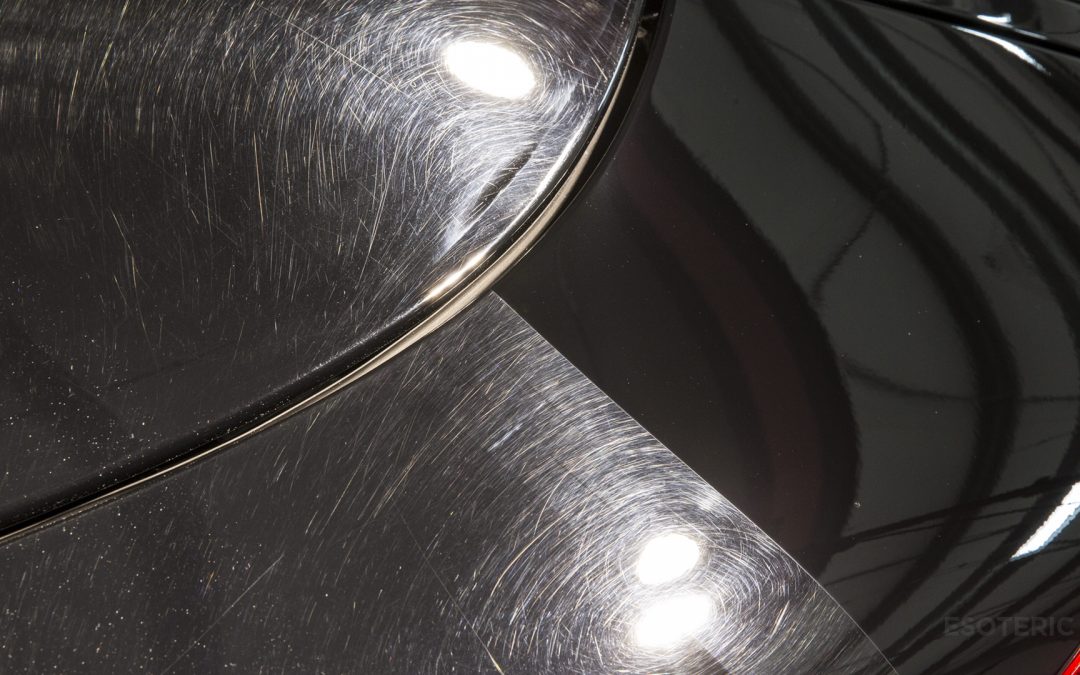
Paint protection is a major consideration. Older automatic car washes that use stiff brushes have a reputation for causing swirl marks or fine scratches, especially if the equipment is not properly maintained. Even newer systems can carry debris from previous vehicles if not cleaned regularly.
Manual washing, when done correctly using clean microfiber materials and proper techniques, is generally safer for paintwork. However, it is not risk-free—poor washing habits, such as using dirty sponges or applying too much pressure, can also damage the finish.
Cost and Accessibility
Automatic car washes are widely available and usually priced affordably per visit, making them a convenient option for regular use. Subscription-style wash packages in some areas further reduce cost per wash.
Manual washing varies more in cost. Washing your car at home is relatively inexpensive but requires access to water, space, and proper products. Professional hand washes or detailing services can be more expensive, reflecting the added labor and attention to detail.
Water Usage and Environmental Factors
Water consumption differs between the two methods. Many modern automatic car washes are designed to recycle water and use it efficiently, making them more environmentally controlled in some cases.
Manual washing at home can either use less or more water depending on technique. Using a hose without control can waste significant amounts, while careful bucket methods can be more efficient.
Finding the Right Balance
The decision doesn’t have to be absolute. Many car owners combine both methods—using automatic washes for quick, routine cleaning and manual washing for deeper care when needed.
Touchless automatic systems are also becoming more common, reducing physical contact with the vehicle and lowering the risk of scratches. However, they may still fall short when dealing with heavy dirt compared to a thorough hand wash.
Final Verdict
Choosing between manual and automatic car washes ultimately depends on priorities. If speed, convenience, and ease are most important, automatic washes are the practical choice. If precision, finish quality, and long-term care matter more, manual washing delivers superior results.
For most drivers, the smartest approach is not choosing one over the other—but knowing when to use each.
Recent Articles
Most Viewed

Advice


Related Articles
-thumb_webp.webp)

-thumb_webp.webp)
-thumb_webp.webp)
-thumb_webp.webp)
-thumb_webp.webp)