
 Login / Register


News & Reviews
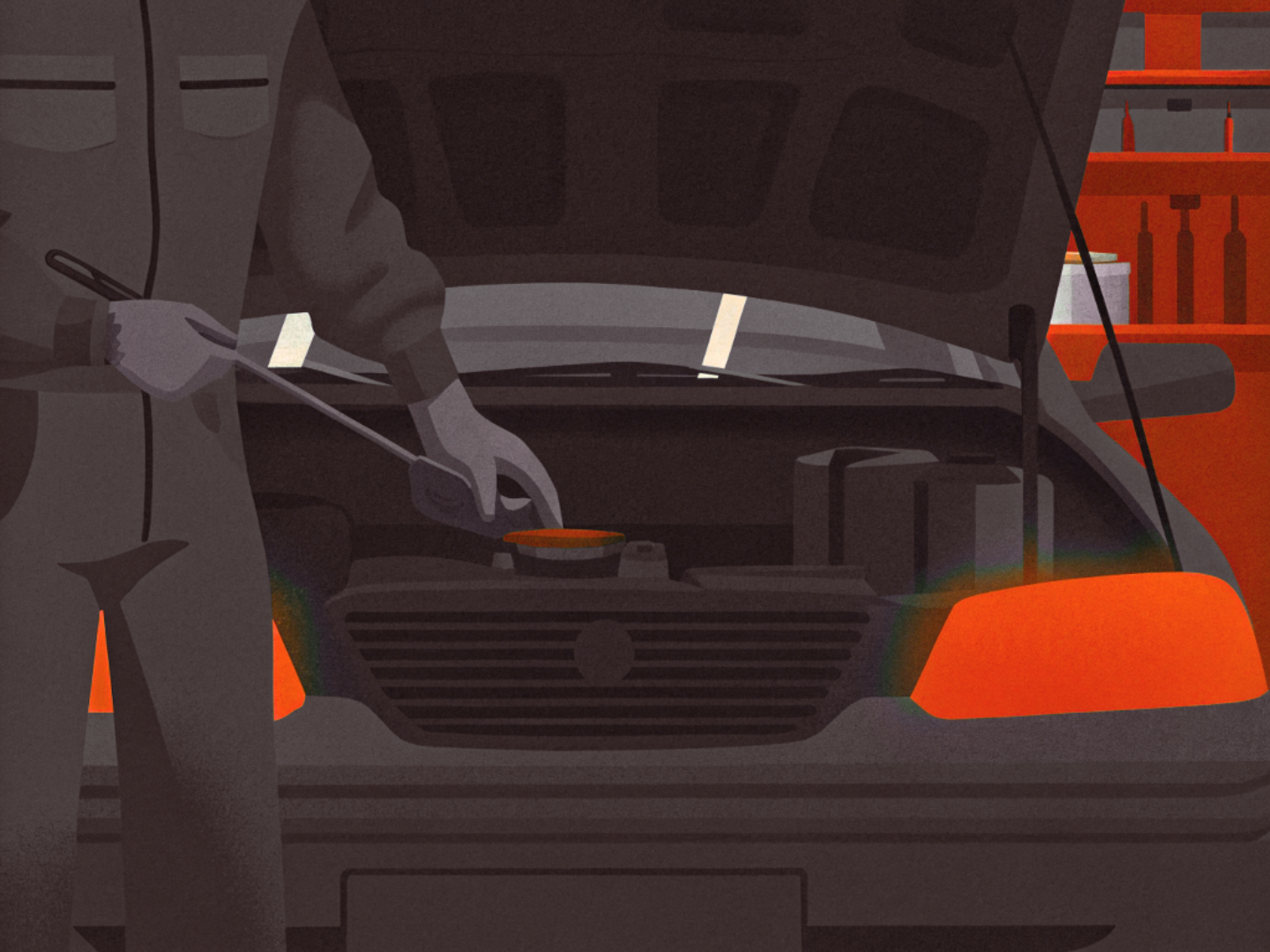
How Often Should You Change Your Car’s Oil in Qatar?
07 Jul 2024
If you live in Qatar and you’re into cars—whether you’re out dune-bashing on weekends, upgrading your turbo setup in the garage, or simply someone who appreciates a smooth, well-tuned ride—then you know that engine oil is the lifeblood of your machine. But with our unique environment, the question isn't just how often to change your oil, but how soon is too soon—and how late is too risky?
Let’s break it down.
Qatar’s Climate
Qatar’s heat isn’t just uncomfortable—it’s brutal on engines. In the summer months, when ambient temperatures can reach above 45°C, your engine runs hotter than it's ever designed for in standard conditions. High temperatures cause oil to break down faster, reducing its ability to lubricate and cool vital engine components. Add to that the fine desert dust that seems to find its way into everything, and you’ve got a perfect storm for accelerated engine wear.
If you’re regularly driving on dusty tracks, heading off-road into the dunes, or simply commuting long distances on highways, your engine is working harder than the factory default assumptions. That means more frequent oil changes should be the norm—not the exception.
Forget the 10,000 km Rule—Customize Your Interval
The old “every 10,000 km” advice is a decent baseline for light, city-focused driving in mild climates. But in Qatar, especially for high-performance engines or vehicles exposed to tough conditions, it can be too optimistic. A safer and smarter oil change interval is every 5,000 to 7,000 km, especially if:
- You’re running a turbocharged engine
- You take your vehicle off-road or into dusty environments
- You drive during peak summer heat
- You’ve modified the engine or ECU in any way
If you drive a modern European or Japanese car and use high-quality synthetic oil, you might stretch it to 8,000 km, but only if your driving is mostly smooth highway cruising and the engine isn’t under constant load.
Modified Engines and Off-Road Builds Need More Attention
Let’s talk directly to the tuners and off-roaders. If your ride is pushing more boost than stock, breathing through aftermarket intakes, or you’ve adjusted your fuel maps for power, you’re generating more heat and stress in the engine. These mods may improve performance, but they also increase your oil's workload. In such cases, even 4,000 km oil changes might be justified—especially with repeated high-RPM use.
Likewise, sand driving puts strain not only on the drivetrain but also pulls in fine particles that can sneak past filters over time. That’s why frequent oil changes aren’t just preventative—they’re essential maintenance.
Don’t Just Change the Oil—Change the Filter Too
An often-overlooked point: always change your oil filter with your oil. A clogged or degraded filter can’t keep contaminants out of your engine, and in a dusty environment like Qatar, that filter sees a lot of action. Skipping it can undo the benefit of new oil.
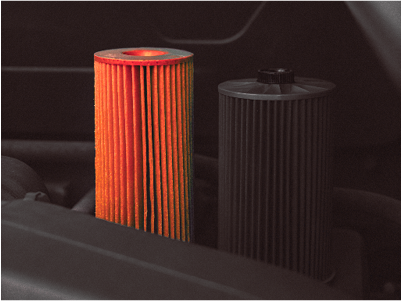
If you’re hands-on with your car, get into the habit of checking your oil visually. If the color’s gone from golden to deep black, or if it smells burnt, it’s telling you it’s past its prime. Similarly, if you notice engine ticking sounds or rough idling—especially after a hard drive—it might be oil-related.
For garage tinkerers, it’s worth sending your oil for analysis once or twice (yes, even in Qatar—some local performance shops offer it). It tells you exactly how your engine is wearing and whether your oil change interval is working for your setup.
In Qatar, your oil change schedule shouldn't be based solely on what the manual says—it should reflect how and where you drive. The desert climate, extreme heat, long-haul roads, and dusty conditions all combine to push your engine harder than average. Respect that reality, and your engine will thank you with longer life and better performance.
Bottom line: if you’re driving a stock sedan in the city, every 7,000–8,000 km is fair with synthetic oil. But if you’re out in the dunes, modded, or just love redlining your turbo once in a while, aim for 4,000–6,000 km, and always use a quality filter. Don’t wait for symptoms—be proactive.
Recent Articles
Most Viewed


Advice

