Login / Register


News & Reviews
-thumb_webp.webp)
From SU7 to YU7: Xiaomi’s New Ferrari-Inspired SUV
08 Dec 2025
Xiaomi’s second car isn’t a sedan like the SU7 – it’s the YU7, a sleek, coupe-roofed electric SUV that looks like a Ferrari Purosangue, is sized like a big family car, and is priced to undercut the Tesla Model Y in China.
On paper and in early real-world drives, it feels like the moment Xiaomi stopped being “a phone company that also makes a car” and started being a serious global EV player.
Size, stance and design: Purosangue vibes, family practicality
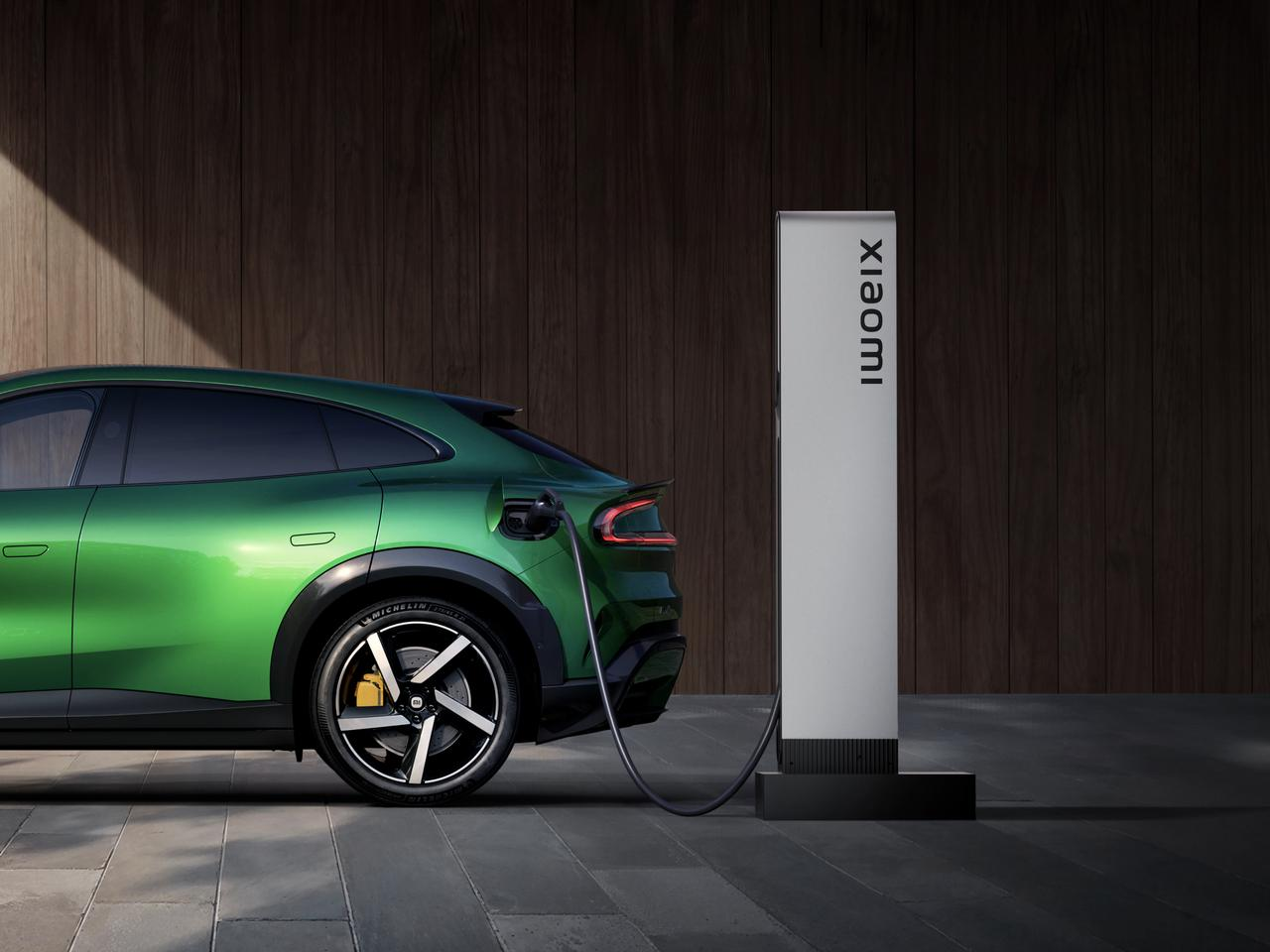
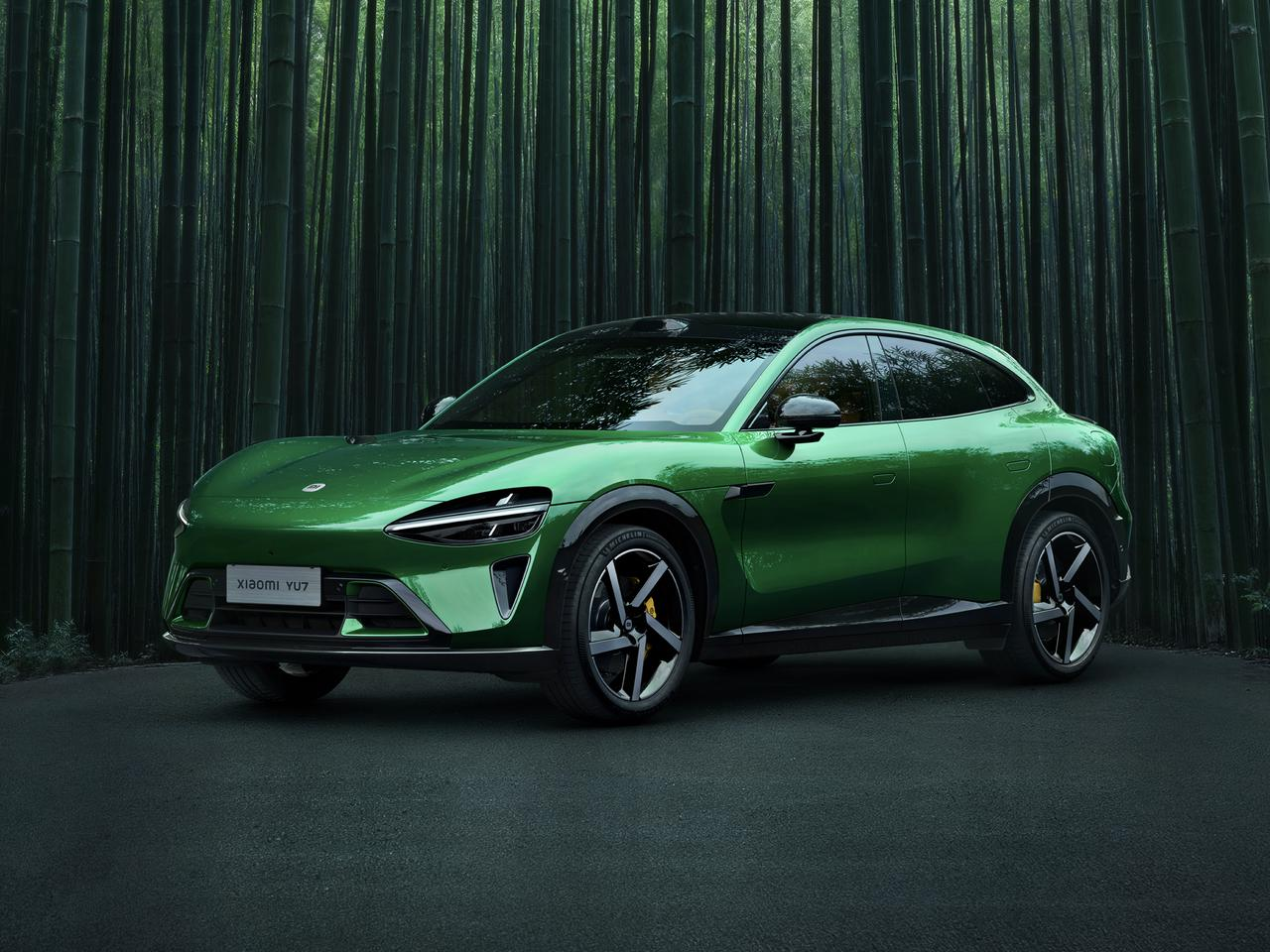
According to Xiaomi’s official cabin-design article, the YU7 is a mid-to-large SUV measuring 4,999 mm long, 1,996 mm wide and 1,600 mm high, riding on a 3,000 mm wheelbase – basically a full size up from a Model Y.
In profile, the design is very deliberate:
- Long bonnet, cab-rearward stance and low roofline – heavily reminiscent of Ferrari’s Purosangue SUV.
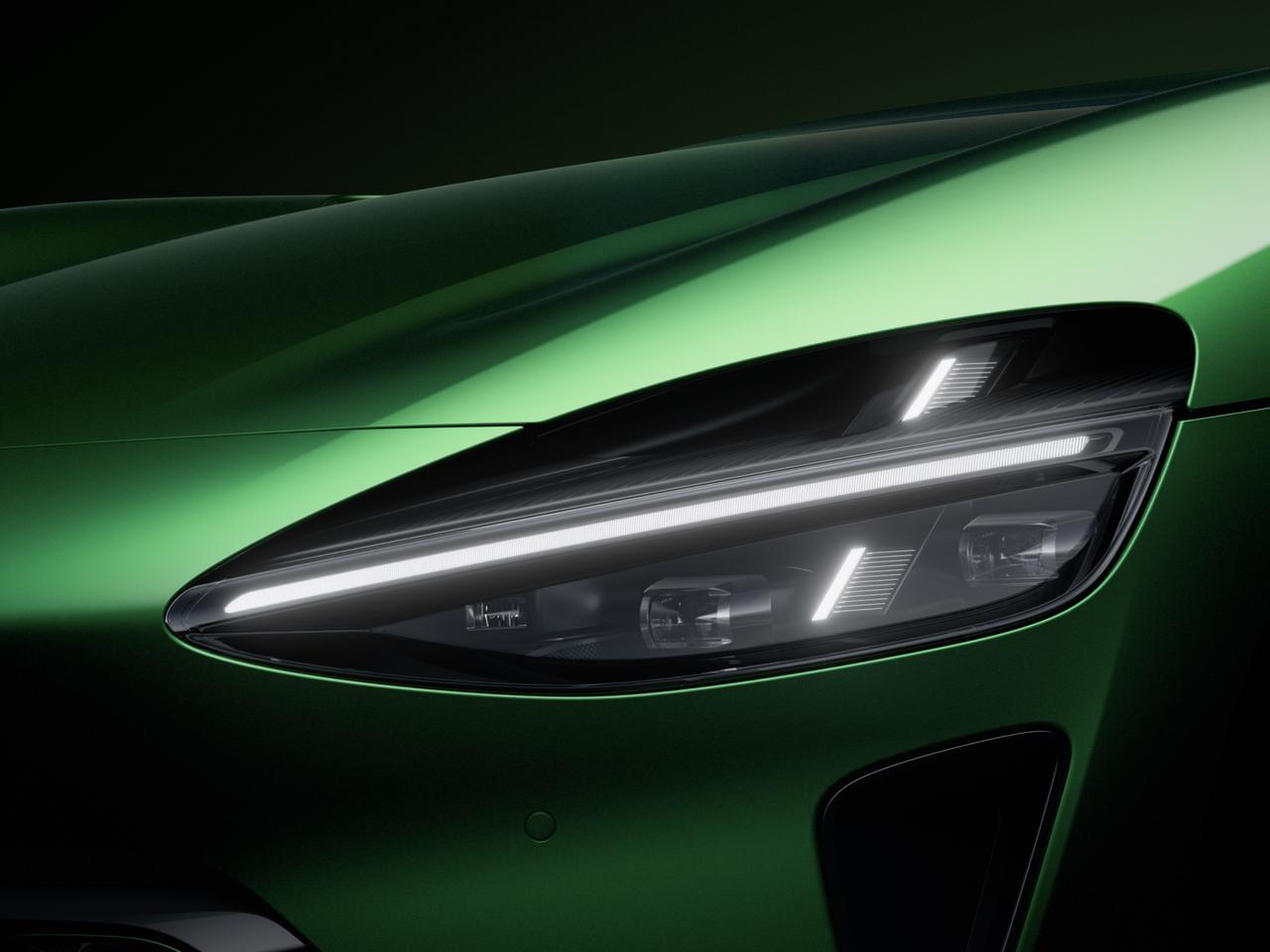
- Almond-shaped headlights with a plus-shaped DRL; the upper half of each headlamp is actually an aero intake that channels air under the bonnet and out through vents on top.
- Huge 19–21-inch wheels, black arch cladding and contrasting lower bodywork give it a squat, sporty stance.
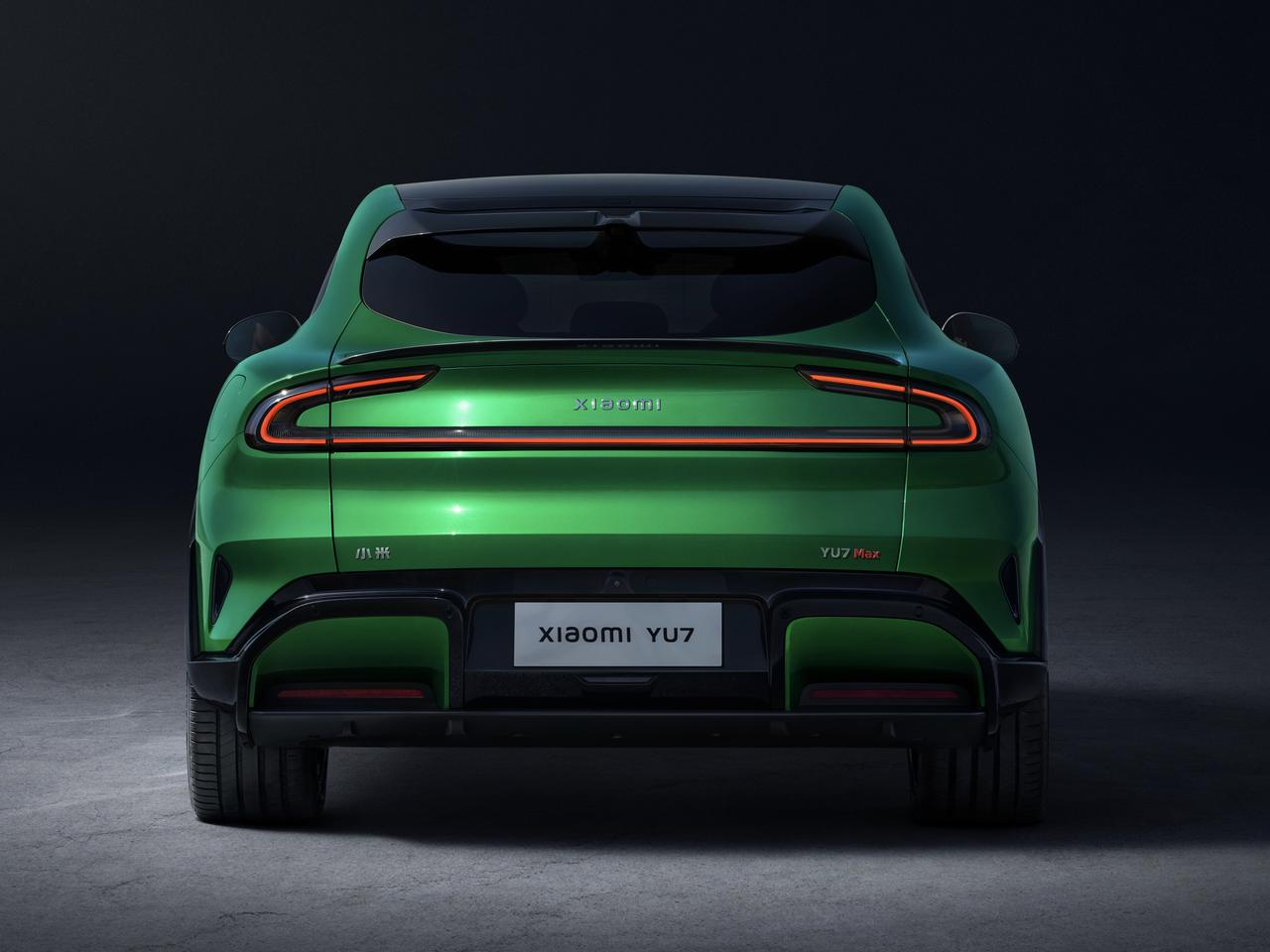
- At the rear, there’s a double-spoiler setup – a roof spoiler plus a ducktail lip – plus Xiaomi’s full-width “ring” light signature, carried over from the SU7. (That double spoiler is functional, helping high-speed stability, especially on the Max model.)
Aerodynamically, Xiaomi claims a drag coefficient of Cd 0.245, with 10 air channels and 19 vents working together, including an active grille system.
Despite the coupe-ish roof, the dimensions make this bigger than a Model Y in every direction except height, and closer in footprint to that Ferrari SUV it clearly takes inspiration from.
Powertrains, range & charging: numbers that embarrass Tesla
Underneath the dramatic shell, the YU7 sits on Xiaomi’s 800-volt Modena platform, shared with the SU7. It launches in three trims – Standard, Pro and Max:
YU7 Standard (RWD)
- Single rear motor: 235 kW, ~315 hp, 528 Nm
- 0–100 km/h: 5.88 s
- Top speed: 240 km/h
- Battery: 96.3 kWh LFP (FinDreams/BYD)
- Range: 835 km CLTC
YU7 Pro (AWD)
- Dual motors: 365 kW (489 hp), 690 Nm
- 0–100 km/h: 4.27 s
- Top speed: 240 km/h
- Battery: 96.3 kWh LFP
- Range: 770 km CLTC
YU7 Max (AWD)
- Dual motors: 508 kW (680–681 hp), 866 Nm
- 0–100 km/h: 3.23 s
- Top speed: 253 km/h
- Battery: 101.7 kWh NMC (CATL Qilin)
- Range: 760 km CLTC
Those range figures beat the Chinese-market Model Y in every comparable trim, despite the YU7 being larger and more powerful.
Charging is where the Max really flexes:
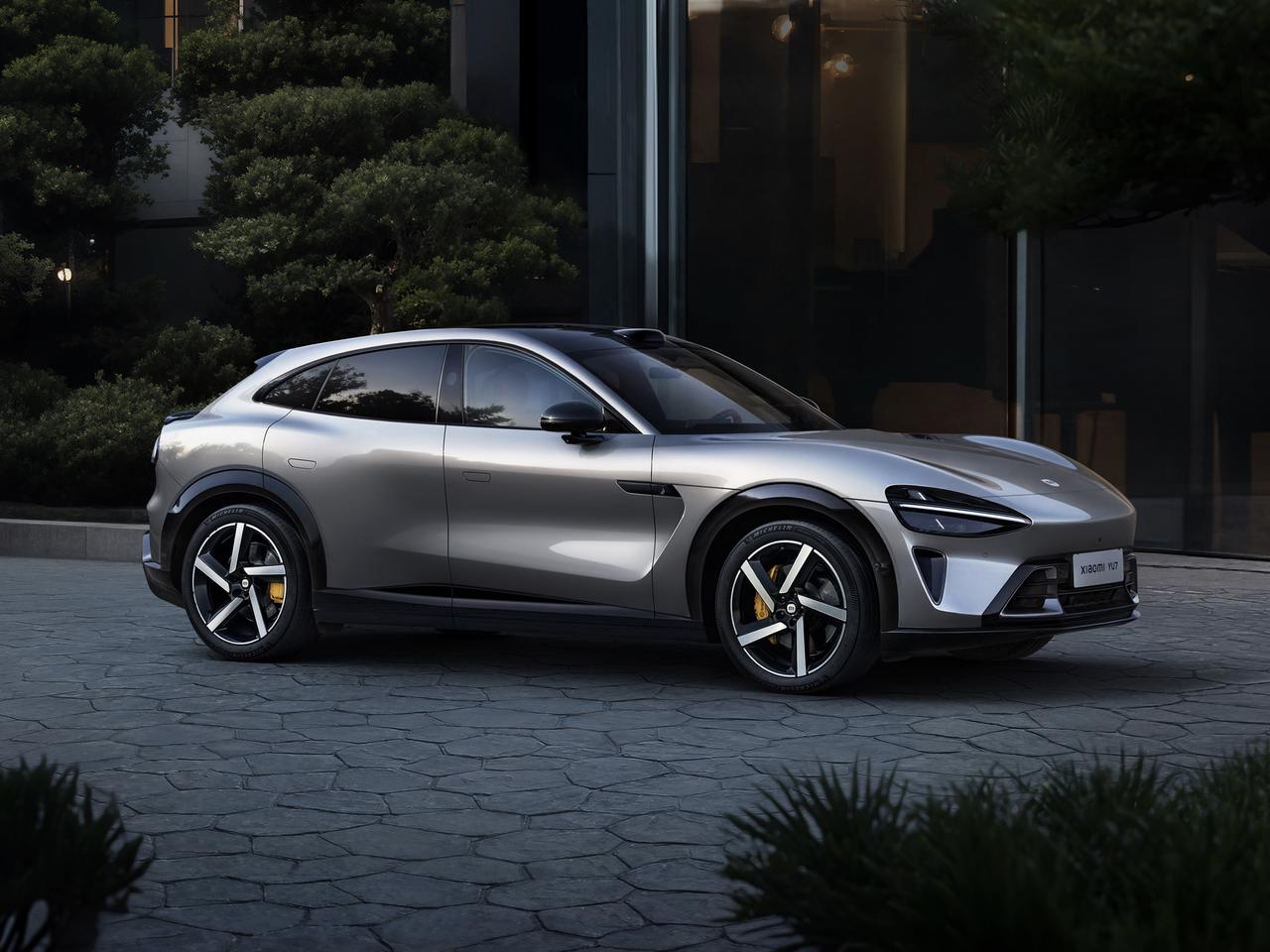
- Standard/Pro (96.3 kWh LFP): up to 250 kW, 10–80% in ~21 minutes, adding ~465 km in 15 minutes.
- Max (101.7 kWh NMC): 5.2C charge rate, peak 528 kW, 10–80% in ~12 minutes, up to 620 km added in 15 minutes.
One tester averaged around 15 kWh/100 km in mixed driving in a YU7 Max – not class-leading efficiency, but impressive given the size, power and upright shape.
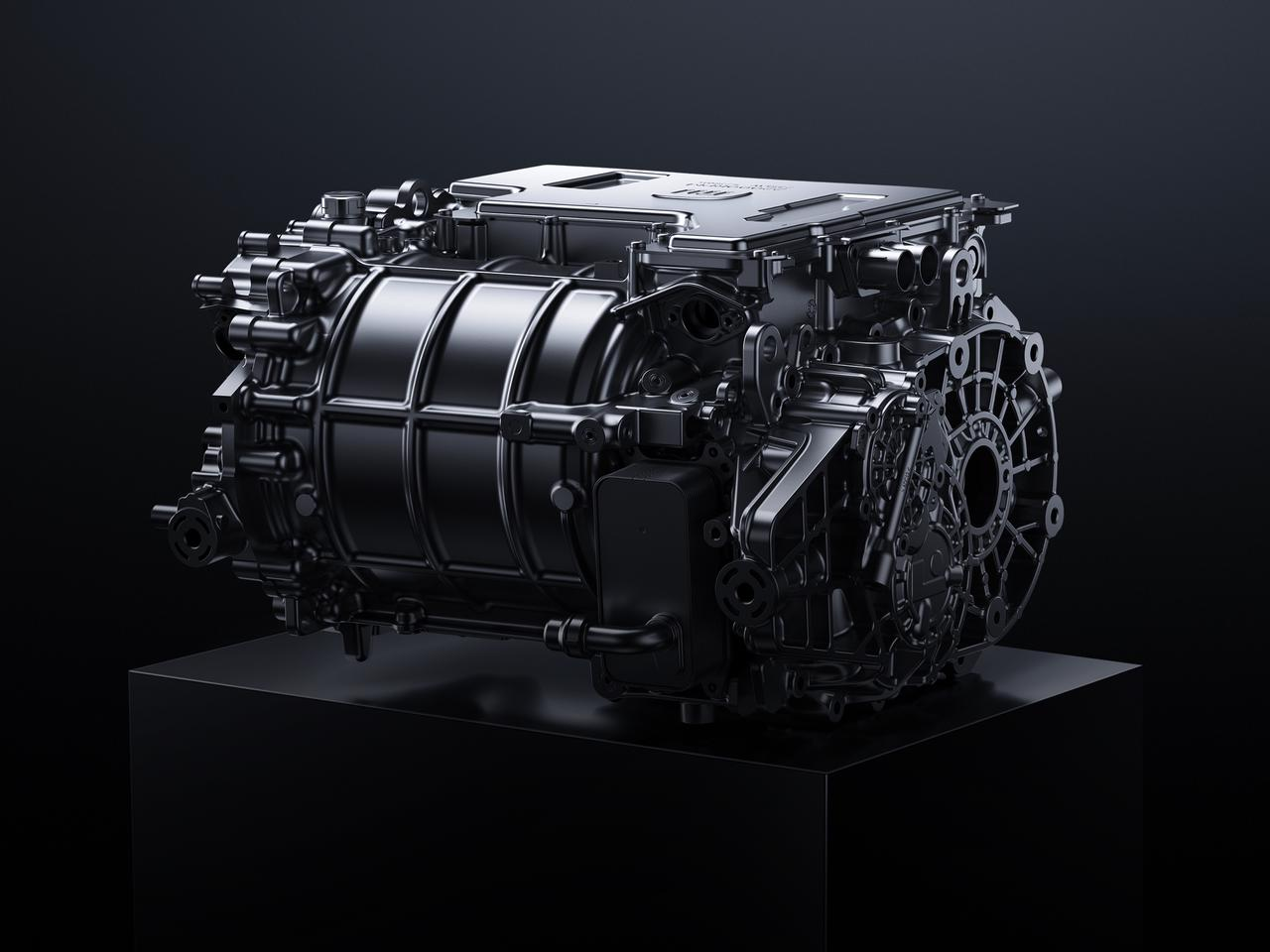
“Dual-Zone Surround Luxury Cabin”: Xiaomi’s living room on wheels
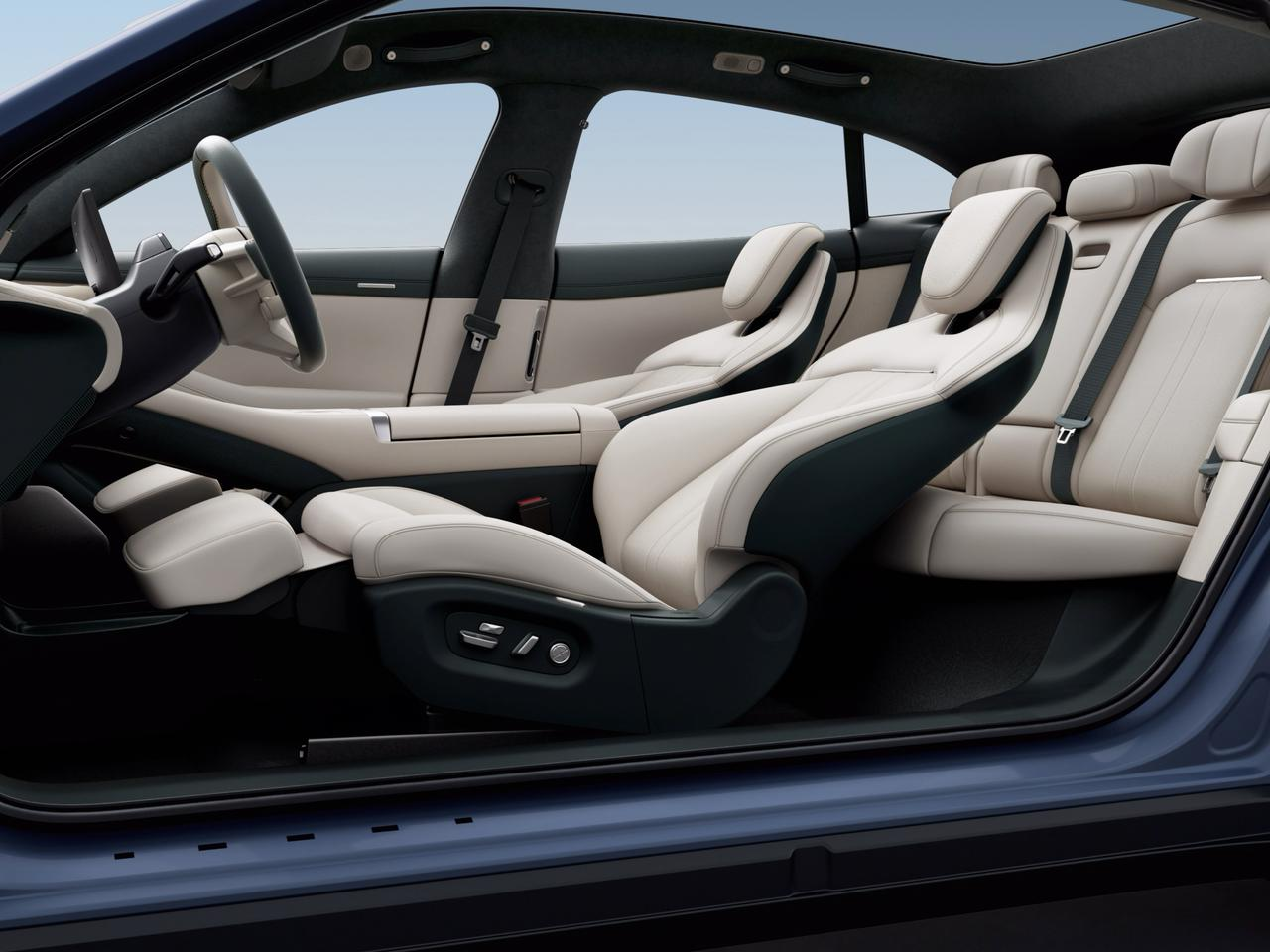
Xiaomi positions the YU7’s interior around a “Dual-Zone Surround Luxury Cabin” concept in its official cabin-design article: two distinct, cocoon-like zones for driver and front passenger, wrapped in a continuous sweep of tech and soft-touch materials.
Materials and ambience
Inside, it feels more upmarket than the SU7:
- Soft-touch microfibre on ceiling and doors
- Two-tone leather across the dash and seats, with Nappa leather on the seats themselves
- Choice of woodgrain or real carbon-fibre inlays
- Four main colour schemes (e.g. Coral Orange, Beige Grey with Pine Green, Twilight Blue, Ash Grey with Iris Purple)
Every seat is heated; the fronts add ventilation, 10-point massage and memory, and can be optioned as “zero-gravity” loungers that recline up to 123° for proper naps while parked. Rear seat backs are electronically adjustable between 117° and 135°, with heating on all three positions.
Above you is a 1.7 m² triple-layer silver-coated panoramic roof that blocks 99.9% of UV. An optional electro-chromatic version can dim to near-total shade in around three minutes, cutting over 99.8% of light, UV and infrared.
Noise isolation is obsessive: Xiaomi talks about 200+ NVH improvements, with double-layer glass on every door, the windscreen and the roof, plus active noise cancellation on the Max.
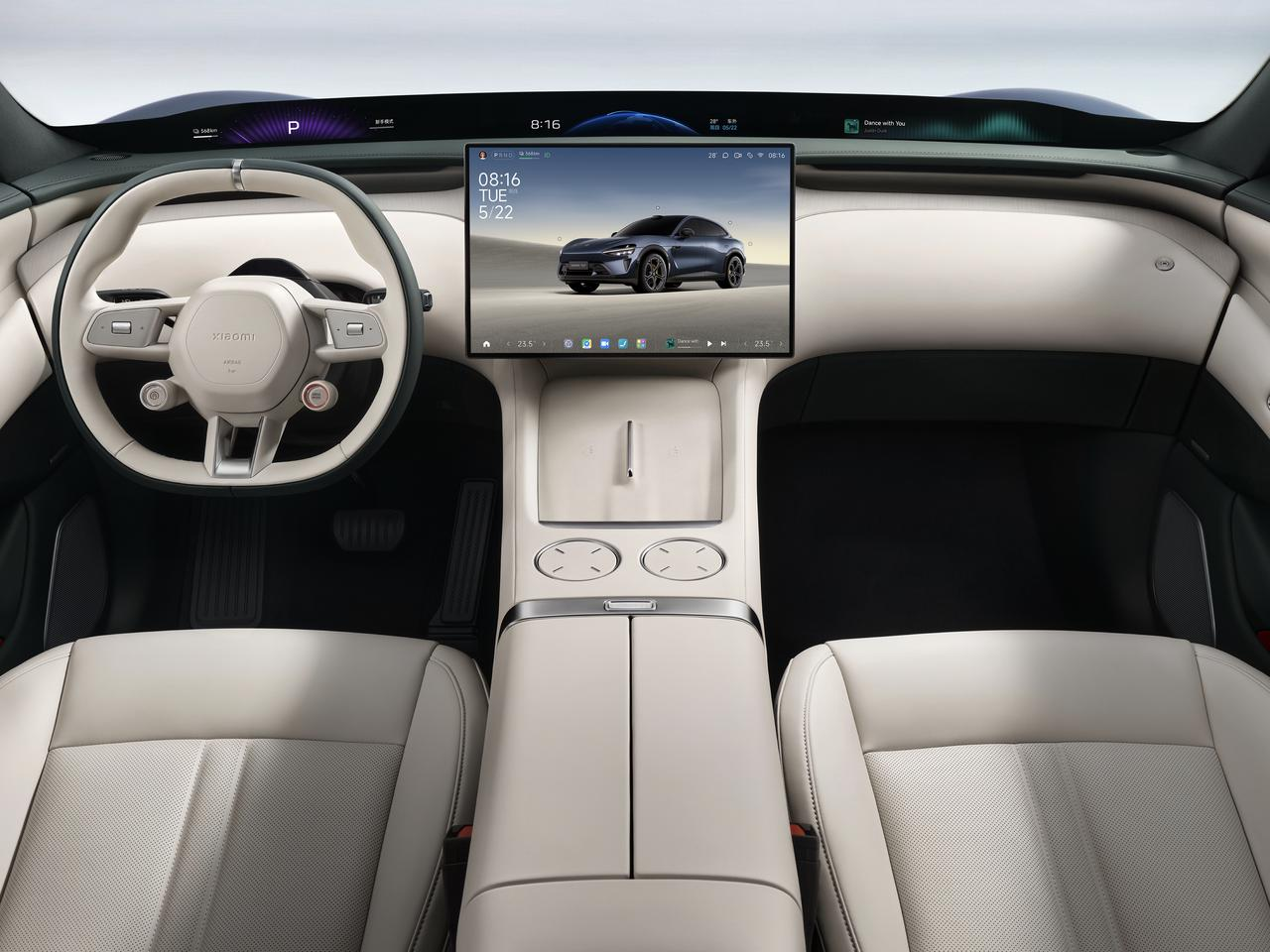
HyperVision + big central screen
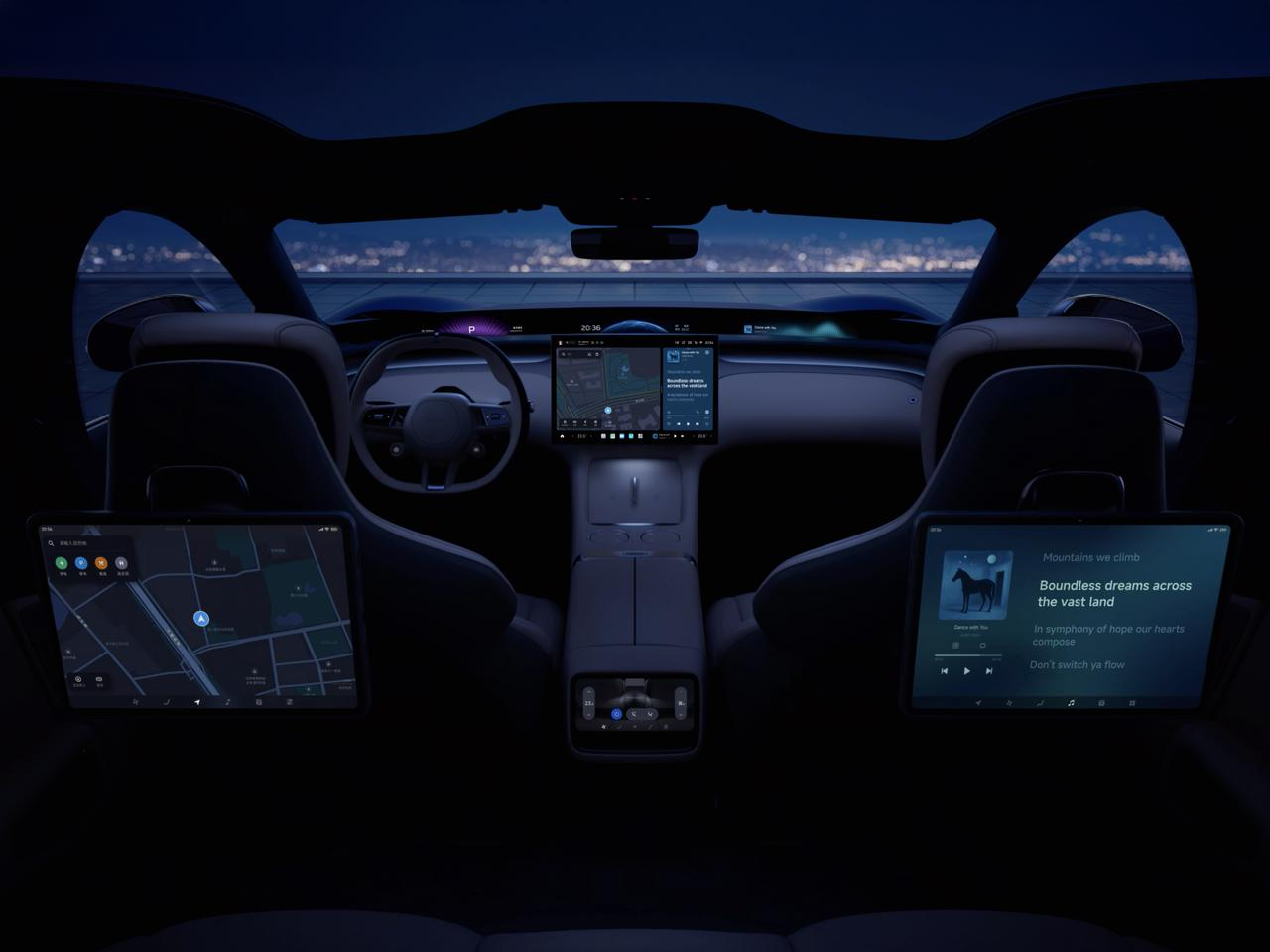
Instead of a conventional instrument cluster and HUD, the YU7 debuts HyperVision, a 1.1-metre-wide projected display that runs along the base of the windscreen. It’s actually three hidden HUD units projecting onto a coated band of glass, so it always stays in your eyeline and avoids the usual HUD visibility issues.
The driver can customise HyperVision with:
- Speed, navigation and ADAS visualisations
- Blind-spot camera feeds
- Media, lyrics, weather – even animated mascots (a capybara or otter that “rides” with the car’s motion)
In the centre there’s an approx. 16-inch 3K touchscreen running HyperOS, shared with Xiaomi’s other EVs and heavily inspired by its phones and tablets.
It supports:
- App-style tiles and widgets
- Deep integration with Xiaomi phones, tablets, smart home devices and wearables
- Docking for physical add-ons – rotary knobs, extra buttons, or mounts – using magnetic powered rails around the dash and console
Audio is equally serious: 14 speakers on Standard/Pro and 25 speakers with headrest speakers on the Max.
Clever practicality: frunk, fridge and 36 storage spaces
For all the Ferrari-like proportions, the YU7 is extremely practical.
From Xiaomi and independent tests:
- Front trunk (frunk): 141 L – washable, with a drain plug and up to eight ways to open it (button, phone, voice, key standing “gesture”, etc.).
- Rear boot: 678 L, expanding to 1,758 L with the rear seats folded flat electronically (40:60 split).
- 36 storage areas in total, including:
- A 4.6 L rear console drawer that can chill six cans at 2–15°C or warm items at 35–50°C
- A 5.2 L drawer under the rear seat base
- Deep door bins that can hold four bottles each
- Hidden umbrella slots in the front doors
- A 13.7 L password-protected glovebox that can apparently stack up to seven 14-inch laptops
- Dual 80 W wireless charging pads in the front
- A dedicated little shelf in the centre console just for sunglasses
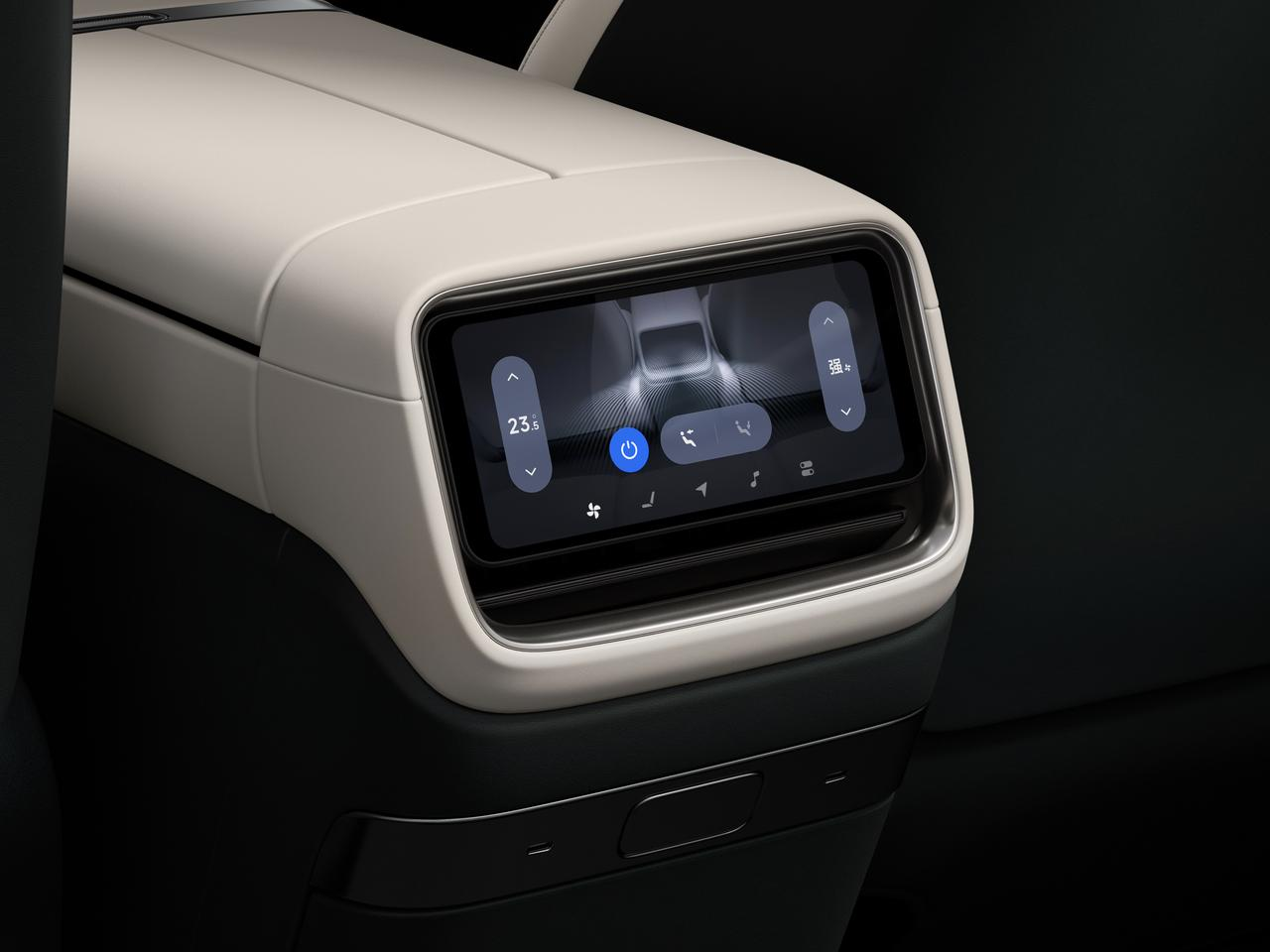
- An optional removable 6.68-inch rear tablet to control climate, seat heating, media and the dimmable roof
On the Max, all four doors add soft-close for that extra premium feel.
Human × Car × Home: Xiaomi’s ecosystem advantage
The YU7 is also Xiaomi’s rolling billboard for its “human × car × home” ecosystem. At its global EV events, Xiaomi has stressed that the car is meant to be just another node in the same network as your phone, smart speakers and robot vacuums.
You can do things like:
- Set routines so that when the car comes within 5 km of home, it can trigger:
- Rice cooker
- Air fryer
- Air-conditioning or heating
- Or reverse it: when you open your front door in the morning, the car pre-conditions its cabin so it’s at your preferred temperature by the time you get in.
Inside the car, magnetic mounting points with power (up to 27 W) let you clip on accessories like phone chargers, fragrance modules, lamps, action cameras or even extra programmable “quick-action” buttons with up to 12 assignable functions.
It’s the same Xiaomi design mentality as their smart home kit – lots of small, thoughtful details and modular accessories – but translated into a vehicle.
Ride, handling and performance: calm family car or “little bit crazy”
Mechanically, all versions get:
- Double-wishbone front suspension
- Five-link rear suspension
- Variable damping shocks
- On dual-motor cars, dual-chamber air suspension with 75 mm of height adjustment
- Four-pot fixed brake calipers, with Brembos on the Max
- 5.7 m turning radius, impressive for the size
In Comfort or Eco, the car rides like a plush family SUV – very, very comfortable and easy to get along with.
Switch to Sport in the YU7 Max, and it becomes… not subtle:
- Throttle response becomes hyper-sensitive
- Steering weights up noticeably
- Xiaomi pipes in a synthetic engine note with rising “rev” sounds to mimic a performance ICE car
- 0–100 km/h in 3.23 s feels every bit as brutal as the numbers suggest
The driver sits relatively low for an SUV, looking out over the twin “power bulges” on the bonnet, which adds to the sports-car feel.
To keep new owners from flinging 680 hp into the nearest wall on day one, Xiaomi includes a dedicated “New Driver” mode that heavily softens the throttle and steering while people acclimatise – a very EV-era solution to the “too fast, too soon” problem.
ADAS, safety and structure
Every YU7 comes loaded with hardware for Xiaomi’s self-developed ADAS suite:
- 1 lidar unit
- 4D millimetre-wave radar
- High-res cameras with special coatings to reduce glare
- NVIDIA Drive AGX Thor chip with 700 TOPS of compute
This underpins Xiaomi’s HAD (High-level Autonomous Driving) system with supervised NOA capabilities in both urban and highway environments.
Structurally, Xiaomi emphasises:
- Extensive use of 2,200 MPa ultra-high-strength hot-formed steel in key areas
- A battery that meets China’s newer “no fire, no explosion” standard, with multilayer, bullet-resistant protection under the pack
- 7 airbags as standard
Given the scrutiny Xiaomi has faced over the SU7 after a widely covered fatal crash, the company is clearly leaning hard into the safety narrative with the YU7.
Pricing, demand and where it fits
Xiaomi has launched the YU7 only in mainland China for now, with three trims:
- YU7 Standard – from RMB 253,500 (~130K QAR)
- YU7 Pro – from RMB 279,900 (~144K QAR)
- YU7 Max – from RMB 329,900 (~170K QAR)
That means the base car undercuts the Chinese-built Model Y by around 10,000 RMB (~5K QAR), while offering more range; even the Max, positioned as a “Performance” rival, is priced aggressively.
Demand has been wild:
- Around 200,000 deposits in three minutes
- 289,000 pre-orders within an hour of launch
- Over 240,000 locked-in orders within the first 18 hours
- Waiting times stretching to 53–56 weeks for some trims
Analysts see it as one of the most serious threats yet to Tesla’s dominance in China’s EV SUV segment, especially when combined with Xiaomi’s enormous “Mi Fan” userbase and integrated ecosystem.
Verdict: Xiaomi’s EV pivot gets very real
Coming off the back of the SU7 – a car that Carwow’s Mat Watson called his “favourite Chinese car ever” – the YU7 had big expectations to meet.
On the evidence from official data, third-party tests:
- It matches or beats Tesla’s Model Y on range, performance and price (in China).
- The cabin and tech story – HyperVision, dual-zone luxury cabin, crazy storage solutions – feel genuinely fresh rather than copy-paste.
- The driving experience in the Max is properly engaging, not just “fast but numb,” while still being plush and family-friendly in softer modes.
The downside? Right now, it’s China-only, and demand there is so high that international markets will likely wait until Xiaomi ramps capacity beyond the current 300,000-units-per-year ceiling.
But if Xiaomi can execute globally the way it has with the YU7 at home, this “phone company SUV” is exactly the kind of car that should make established brands very, very nervous.
Recent Articles
Most Viewed

Advice


Related Articles

-thumb_webp.webp)
-thumb_webp.webp)