
 Login / Register


News & Reviews
-thumb.jpg)
Qatar Bans Sale and Promotion of Non-Gulf Spec Vehicles
13 Aug 2025
In a move to protect consumers and ensure all vehicles meet regional safety and performance requirements, Qatar’s Ministry of Commerce and Industry (MOCI) has issued Circular No. (02) of 2025, banning the sale, display, or advertisement of cars that do not conform to the Gulf Standard Specifications (GSO) or Qatar’s approved standards.
The new directive applies to all car showrooms, dealerships, and online platforms in the country. Non-compliance can result in violations and legal action. Businesses must now confirm every vehicle meets GSO requirements before offering it for sale—whether new, used, or imported.
Why This Matters for Drivers
For everyday motorists, the ban means greater assurance that any car purchased from a dealer or online marketplace is built for Qatar’s demanding driving conditions. The Gulf region’s extreme heat, high humidity, and frequent dust storms put stress on vehicles—making Gulf-spec features like reinforced cooling systems, specialized air filtration, and corrosion-resistant components essential for long-term reliability.
This step also closes the door on parallel imports and “grey market” vehicles not built for the Gulf, which often suffer from overheating, limited parts availability, and faster wear. For collectors or enthusiasts importing unique models, extra certification will now be required to ensure compliance.
The Legal Foundation
The ban is grounded in Law No. (8) of 2008 on Consumer Protection, specifically:
- Article 5: Suppliers must replace, repair, or refund goods that fail to meet standard specifications.
- Article 6: It is prohibited to sell or promote goods that do not meet approved specifications.
- Article 13: Suppliers guarantee their goods conform to announced specifications.
Impact on Qatar’s Car Community
Qatar’s automotive culture thrives on variety—from showroom-fresh SUVs to desert-tuned 4x4s and rare imports. While the regulation may limit certain niche vehicles, it reinforces trust in the market and ensures a level playing field for dealerships. Enthusiasts will still be able to enjoy customized and imported vehicles, provided they meet Gulf-spec standards.
The move also aligns with Qatar’s broader vision of modernizing trade, improving consumer protection, and promoting high-quality products in the market.
What to Expect Going Forward:
- Car showrooms and online platforms must verify compliance before listing vehicles.
- Buyers should check for Gulf Standard Specification certification before purchase.
- Enforcement will be strict, with penalties for non-compliance.
Grace Period for Compliance
The Ministry of Commerce and Industry clarified that businesses will have until 31 December 2025 to adjust their operations and ensure all listed vehicles meet the Gulf Standard Specifications.
- For cars registered before 31 December 2025: These vehicles can still be displayed or sold—whether in showrooms or online—until the end of the grace period.
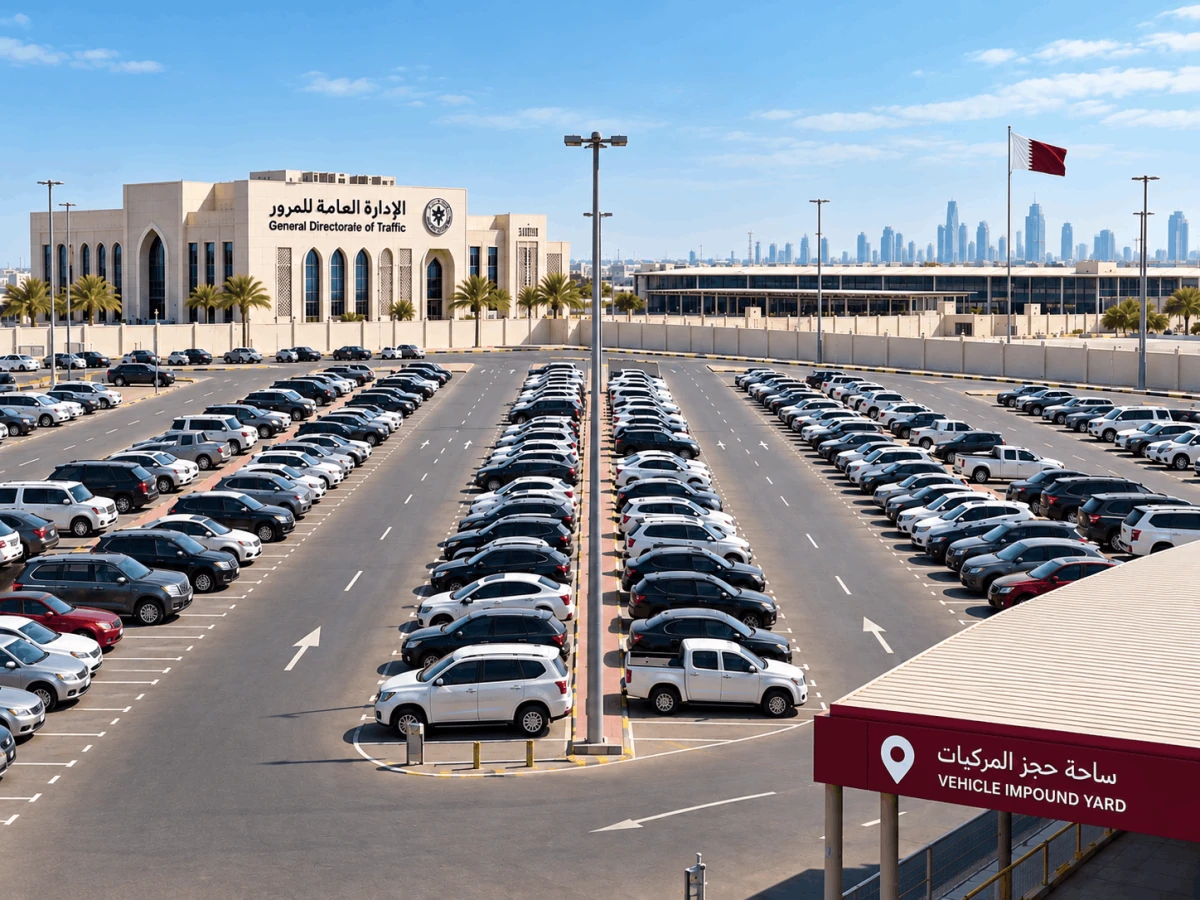
- For cars registered after 31 December 2025: Any vehicle that fails to meet Gulf specifications will be considered non-compliant, and subject to seizure or other legal action.
The ministry stressed that all dealerships, car showrooms, and online sales platforms must strictly follow the guidelines of Circular No. (02) of 2025. This means halting the sale, display, or advertising of any non-compliant vehicles after the deadline, with penalties for violators.
By offering a grace period, the ministry aims to give businesses time to adapt while maintaining its commitment to consumer safety and market fairness.
Recent Articles
Most Viewed
Advice

